




I always tell people it is easier to start by having someone show you what to do, either with a friend, or in a class, than trying to teach yourself out of a book or video tutorial. Books and videos are good at teaching you basic mechanics. But they are poor in teaching you the artistry and design skills you will need as a jewelry artist and designer. After working with a person, then go back to the books and online tutorials. You’ll get more out of them this way.
Particularly important to learn, and what you pick up best from another human being, include:
– how to hold the piece while working it
– how to manage when you need to have firmer tension, and when you need to
relax your tension, as you hold the piece
– what about the technique allows your project to maintain its shape, and what
about the technique allows your project to move, drape and flow
– how to attach a clasp assembly or otherwise finish off your project
– what materials are most suited to the project, and which are not
– whether this, or another technique, is best suited to the project goals
– how to prepare your materials, if necessary, before you use them
– which tools you should be using, and how to hold them and use them
– how to size things
– how to read instructions, diagrams, and figures
– how to anticipate what your potential customer or client would want from any
piece of jewelry
Try to learn things in a developmental order. Start with beginner projects, graduate to advanced beginner and intermediate, then finally, to advanced. Take your time. Don’t rush to the finish line. You will learn more and be a better designer for it.
Try to learn things by groupings or categories. Vary things. You might start by doing the same project using three different stringing materials. You might try doing the same project using different types of clasps. You might create a compositional arrangement, and then play by rearranging or by changing out certain components or colors for others. Comparative learning is a very strong teacher.
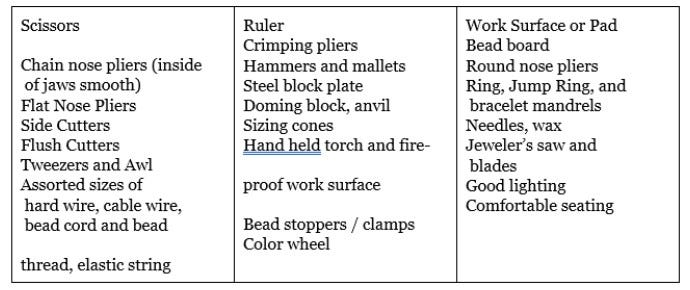
Types of Tools Needed To Get Started
______________________________________________
For more articles about FLUENCY IN JEWELRY DESIGN, visit the JEWELRY DESIGNERS’ HUB
https://www.patreon.com/collection/613906?view=expanded
______________________________________________
Thanks for being here. I look forward to sharing more resources, tips,
sources of inspiration and insights with you.

WarrenFeldJewelry.com
Shop.warrenfeldjewelry.com
School.warrenfeldjewelry.com
Coaching by Warren Feld
Add your name to my email list.
SO YOU WANT TO BE A JEWELRY DESIGNER
Merging Your Voice With Form
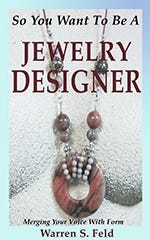
So You Want To Be A Jewelry Designer reinterprets how to apply techniques and modify art theories from the Jewelry Designer’s perspective. To go beyond craft, the jewelry designer needs to become literate in this discipline called Jewelry Design. Literacy means understanding how to answer the question: Why do some pieces of jewelry draw your attention, and others do not? How to develop the authentic, creative self, someone who is fluent, flexible and original. How to gain the necessary design skills and be able to apply them, whether the situation is familiar or not.
588pp, many images and diagrams Ebook , Kindle or Print formats
The Jewelry Journey Podcast
“Building Jewelry That Works: Why Jewelry Design Is Like Architecture”
Podcast, Part 1
Podcast, Part 2
