

The Jewelers’ Palette, 11/15/2024

Join my community of jewelry designers on my Patreon hub
From Warren and
Land of Odds
Use November’s Discount Code For Extra 25% Off @Land of Odds:
NOVEMBER25
www.landofodds.com
November 15, 2024
Hi everyone,
Some Updates and Things Happening.
(Please share this newsletter)
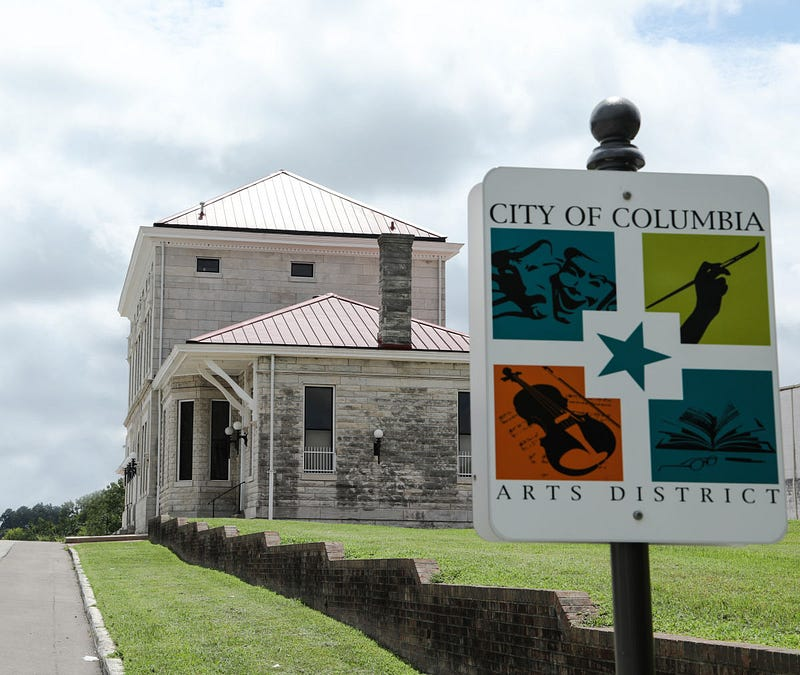
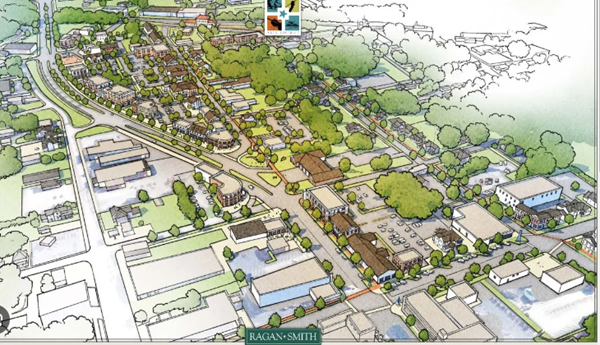
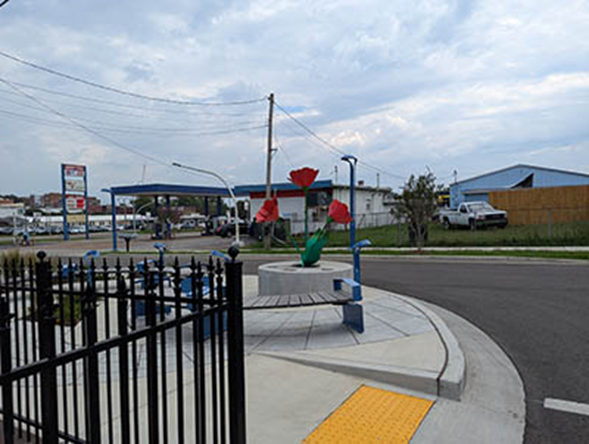
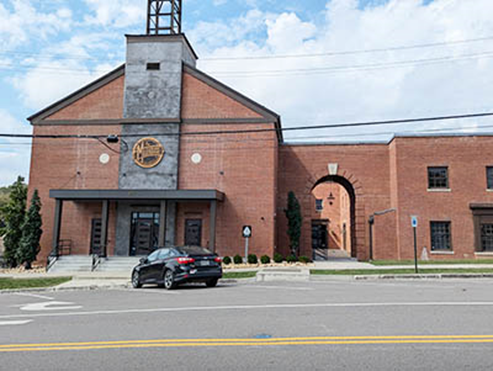
1. I have been participating with the Columbia TN Arts Council over the last several months. Their major tasks are to develop a sense of community among artists (broadly defined), and a sense of place in a several block area off the downtown identified as the Columbia Arts District. I wrote a visioning plan for this District which I want to share, and welcome any feedback and ideas for programs, and community and economic development.
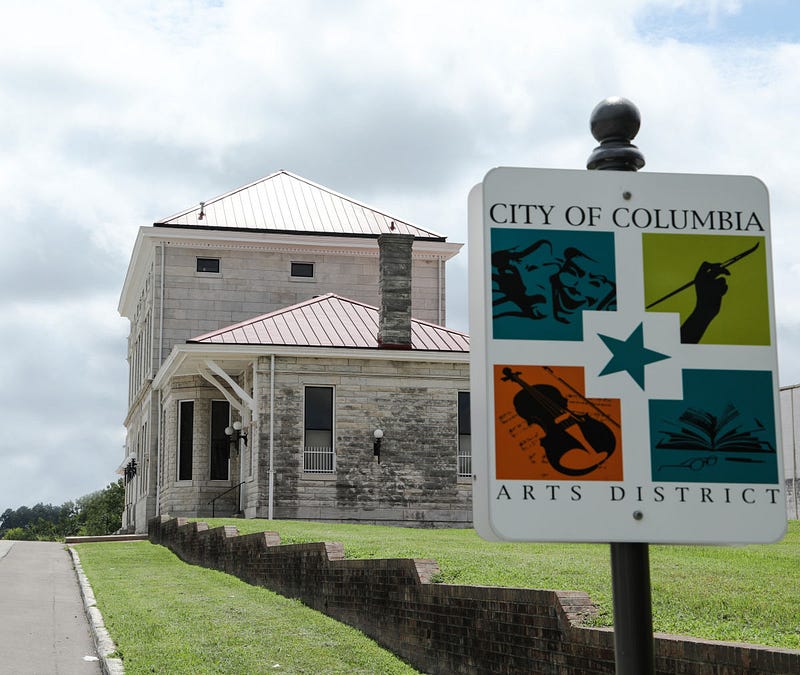
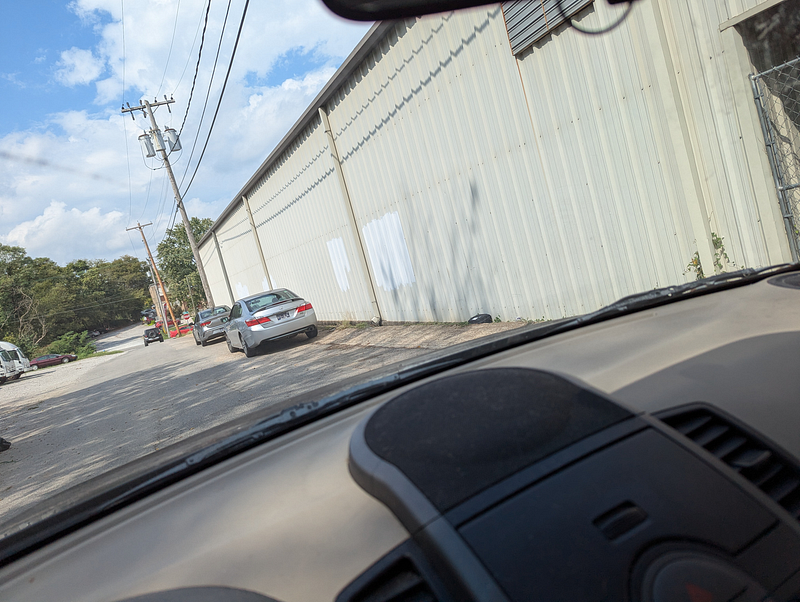
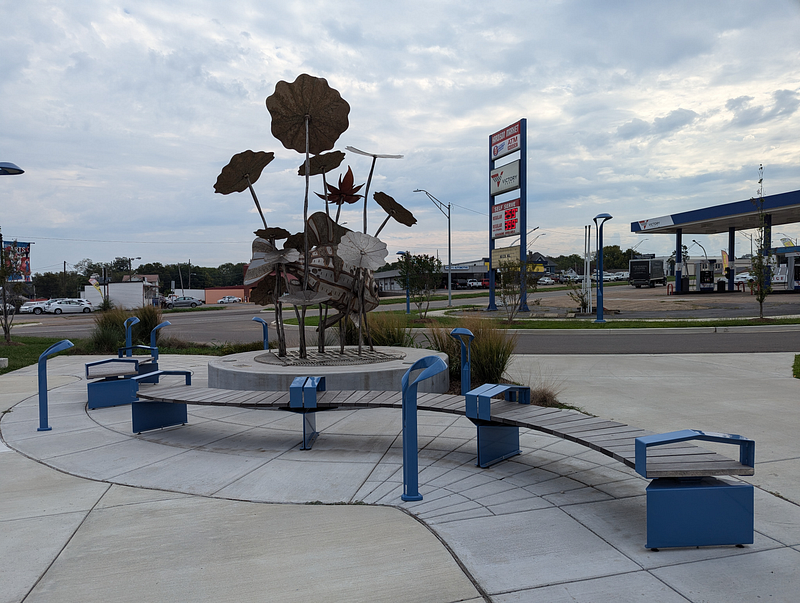
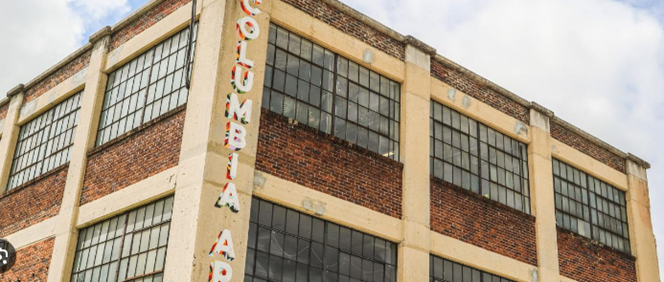
The Columbia ARTS DISTRICT (CAD) was created to provide a haven for artists to live and work. The CAD is located a few blocks from Downtown Columbia in the South Garden/High Street area. The City has established historic zoning overlays to protect historic and cultural assets that include distinct neighborhoods like the ARTS DISTRICT. The area currently comprises several blocks of old warehouses, old houses (some historically significant), mobile homes and manufactured homes, and vacant lots. One warehouse building was turned into a multi-story mix of artist studios, retail spaces, coffee house, some office space. There are some restaurants and specialty shops in the District, but not many. Columbia is a small town of about 45,000 residents, growing 2–3% annually, and is located about 45 miles south of Nashville.
The BIG question for me was whether you can create a community-based Arts District, where the focus and energy emerge from how the community interacts with and finds meaningful experiences within the space, rather than focusing on physical design per se.
My SECONDARY question was whether a District designed to bring artists to live, work and play together can remain competitively viable over time, or will the community either lose interest or will the area become so attractive that gentrification negates its original reason for being. Time will tell, … as will smart thinking, planning, and cooperative partnering.
What makes a space into a place? Placemaking inspires people to collectively reimagine and reinvent public spaces as the heart of every community. Strengthening the connection between people and the places they share, placemaking refers to a collaborative process by which we can shape our public realm in order to maximize shared value. More than just promoting better urban design, placemaking facilitates creative patterns of use, paying particular attention to the physical, cultural, and social identities that define a place and support its ongoing evolution.
Great public spaces are those places where celebrations are held, social and economic exchanges occur, friends run into each other, and cultures mix. They are the “front porches” of our public institutions — libraries, field houses, schools — where we interact with each other and government. When these spaces work well, they serve as the stage for our public lives.
2. I created several kits using leather cord and larger hole glass beads, and call your attention to these. They make great gifts!
Beads On Leather Kits
@Land of Odds
https://landofodds.com/beads-on-leather/

LATTICEWORKS BRACELET
Criss-crossed leather full of unusual glass belly donut rondelle beads.
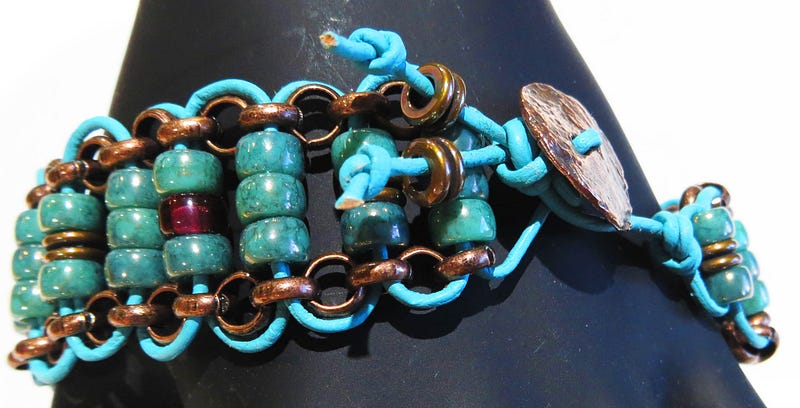
STREETSENSE BRACELET
When you walk down the street, everyone knows you’re with it.
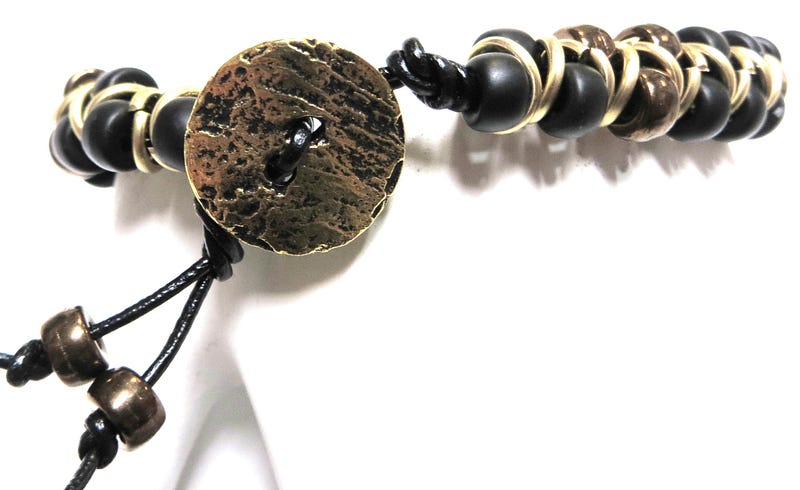
WALK-A-BOUTS BRACELET
A hip bracelet for those casual occasions.
Beads On Leather Kits
@Land of Odds
https://landofodds.com/beads-on-leather/
3. I encourage you to take advantage of the very low prices of delica beads on the Land of Odds website.
Compare Our Prices To What You Are Paying:
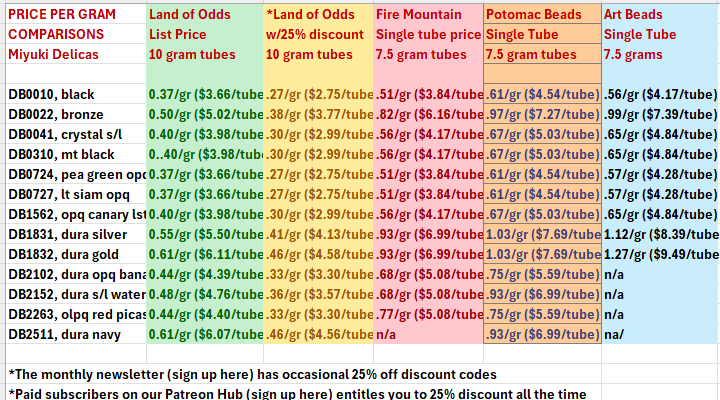
In this monthly newsletter, occasionally, like in this newsletter, you will find a discount coupon code that you can use on the Land of Odds website.
You can also become a paid subscribing member on our Jewelry Designers’ Patreon Hub, which entitles you to a 25% discount as long as you maintain your subscription.
4. If you have the resources, I strongly suggest you look into furthering your jewelry design education by attending a degree program. Here are the top 30 jewelry design programs in the United States:
Here are some of the leading jewelry design programs in the United States, known for their specialized curriculums, faculty expertise, and facilities. While specific rankings can vary by source, these schools are widely regarded as some of the best for jewelry design.
1. Rhode Island School of Design (RISD) — Providence, RI
- Offers a strong focus on metalwork, traditional jewelry techniques, and contemporary design principles.
2. Savannah College of Art and Design (SCAD) — Savannah, GA
- Provides a comprehensive approach with state-of-the-art facilities and focuses on various facets of jewelry design and business.
3. Fashion Institute of Technology (FIT) — New York, NY
- Known for hands-on learning and access to New York City’s fashion and jewelry industry.
4. California College of the Arts (CCA) — San Francisco, CA
- Emphasizes interdisciplinary approaches and sustainable design practices.
5. Parsons School of Design — New York, NY
- Offers access to an extensive network in the fashion and luxury sectors, with an emphasis on innovative design.
6. Pratt Institute — Brooklyn, NY
- Known for a strong arts program and a metal/jewelry design program focused on both technical skills and creativity.
7. Cranbrook Academy of Art — Bloomfield Hills, MI
- Known for a small student body and intensive, personalized instruction.
8. University of the Arts — Philadelphia, PA
- Offers a jewelry and metals program that includes contemporary jewelry, metalsmithing, and interdisciplinary work.
9. School of the Art Institute of Chicago (SAIC) — Chicago, IL
- Known for an experimental approach that blends traditional and digital techniques.
10. Temple University’s Tyler School of Art — Philadelphia, PA
- Focuses on combining creative expression with technical skill development.
11. University of Washington — Seattle, WA
- Known for a broad curriculum that includes both traditional metalworking and experimental materials.
12. Virginia Commonwealth University (VCU) — Richmond, VA
- Offers a BFA in Craft and Material Studies with a focus on metals and jewelry.
13. SUNY New Paltz — New Paltz, NY
- Known for its Metal/Jewelry Design program that integrates both artistic development and technical skill.
14. Massachusetts College of Art and Design (MassArt) — Boston, MA
- Offers a program with a focus on metalsmithing, jewelry, and art history.
15. University of Oregon — Eugene, OR
- Known for a jewelry program that encourages both traditional and experimental methods.
16. California State University, Long Beach (CSULB) — Long Beach, CA
- Offers a BFA in 3D Media focusing on metal and jewelry arts.
17. University of Georgia — Athens, GA
- Strong focus on craftsmanship and a broad approach to metal and jewelry design.
18. University of Kansas — Lawrence, KS
- The jewelry and metals program is known for its commitment to traditional techniques and design principles.
19. Texas State University — San Marcos, TX
- Offers a BFA with a concentration in Metals and Jewelry, focusing on both technique and conceptual development.
20. Indiana University Bloomington — Bloomington, IN
- Known for its craft-focused metalsmithing program, including traditional and contemporary approaches.
21. North Bennet Street School — Boston, MA
- Provides a specialized training program in jewelry-making with a focus on bench skills and craftsmanship.
22. College for Creative Studies (CCS) — Detroit, MI
- Focuses on both jewelry and metalsmithing, providing a solid technical foundation.
23. Kent State University — Kent, OH
- Offers a jewelry/metals concentration that emphasizes craftsmanship and innovative design.
24. University of Illinois at Urbana-Champaign — Champaign, IL
- Known for an interdisciplinary approach, blending jewelry design with broader art and design disciplines.
25. Rochester Institute of Technology (RIT) — Rochester, NY
- The School for American Crafts at RIT is highly regarded for its jewelry and metals programs.
26. Appalachian State University — Boone, NC
- Offers a focused jewelry and metals concentration that emphasizes skill development and conceptual work.
27. University of North Texas (UNT) — Denton, TX
- Known for a metals and jewelry program that encourages experimentation and craftsmanship.
28. University of Wisconsin-Milwaukee (UWM) — Milwaukee, WI
- Provides a curriculum that emphasizes both skill and design in jewelry-making.
29. Arizona State University (ASU) — Tempe, AZ
- Offers a robust jewelry program as part of its larger art program, with access to a variety of tools and techniques.
30. Oregon College of Art and Craft (OCAC) — Portland, OR
- Although it closed in 2019, its legacy remains influential, and several of its faculty and alumni continue to contribute to the field.
Each program has unique strengths, from technical skills to conceptual approaches and connections to the industry.
5. I wanted to share this email I received from Miguel Mayher at the Professional Artists Assn. We were beginning to discuss the need to be consistent in using Instagram and Emails to promote our businesses. I had brought up that it was difficult to maintain my motivation, especially given the time it takes to use social media.
Hi warren feld,
Yesterday, we talked about feeling overwhelmed.
Overwhelmed by the amount of energy and time that seems required to stay up to date on Instagram & your Email Newsletters.
And how that can hold you back from getting the consistent art income you desire.
Today, I want to dive deeper into why this feeling is SO COMMON in artists and what’s actually causing it.
📱 There are over *2 billion* monthly active users on Instagram.
🤯 And when you open the feed, it can be overwhelming.
🙅🏻♀️ It’s enough to make an established artist yell “nope!”…
…and close the app immediately, never to open it again.
Avoiding Instagram & Email doesn’t just stop you from using the tools, it also affects your entire “sharing your journey” workflow.
Some artists hold their cards close to their chest, but then expect strangers to buy the finished artwork at first glance.
Because when you’re opposed to these tools (and yes, they are just tools), you’re left waiting until you finish every artwork before you share it.
Or even worse — waiting for your next “show” to announce it to the world.
Then your audience doesn’t feel like they were part of that creative process…
…they are not invested in your artist journey…
…because you are not sharing it with them.
And so surprise, surprise… they are not “bought in”.
Maybe you do end up sending that jam-packed newsletter with a smorgasbord of updates about the last 6 months…
….not QUITE what you wanted, but you settle, “good enough I guess…”.
And a whole world of steady monthly direct sales seems out of reach for you.
Here’s the truth though… it’s not your fault:
- Instagram is a hungry beast and the algorithm does reward consistency.
- Emails are easy for writers, using WORDS, but not for most visual artists.
So without a good framework to simplify all this, it’s natural to get lost.
The big problem is the time and energy required to keep the Instagram & Email wheels turning…
👨👩👧👦 Competes with your family time
🎨 Competes with your studio time
🤹♀️ Competes with “life’s demands” time
And so how can you justify investing your precious time and energy in them?
You don’t have a simple system to navigate the sea of online art marketing.
If you had a clear system, it’d be hard to get lost, even if you’re an introvert.
I have an amazingly simple framework to share with you at the end of this week, but for now, here’s some encouragement…
❌ You DON’T need to POST EVERY DAY.
❌ You DON’T need to EMAIL EVERY WEEK.
And most importantly… stop thinking of your newsletters as NEWS.
Start thinking of them as Letters, or even better, POSTCARDS.
They are a casual conversation.
Ideally one single topic per email.
And they either share your journey… or give an opportunity to buy from you.
No middle ground.
I know even this is a lot easier said than done, but don’t worry, over the next few days I’ll be holding your hand and helping you out.
In tomorrow’s email, I’ll share a simple framework that will help you look at your online marketing as an enjoyable documenting of your journey.
Even if you are not a writer.
Talk soon,
Miguel

Director of Education
The Professional Artist Association
ProfessionalArtist.com
P.S.
Remember, feeling overwhelmed is normal, but it doesn’t have to stop you.

6. I’ve added additional articles to my collection HOW TO BEAD A ROGUE ELEPHANT. Check these out:
TRANSITIONS
A piece of jewelry is a series of sections, each integral to the piece, which must flow together visually and functionally. For example, transitioning from the strap to the centerpiece. How the jewelry designer manages the transitions between each section will determine to a great degree the success of the piece.
DOUBT / SELF-DOUBT
For the novice, all that excitement at the beginning, when thinking about making jewelry and making some pieces, sometimes collides with a wall of developing self-doubt. It’s not easy to quiet a doubt. Doubt may hold you back, but it can also be seen as an opportunity.
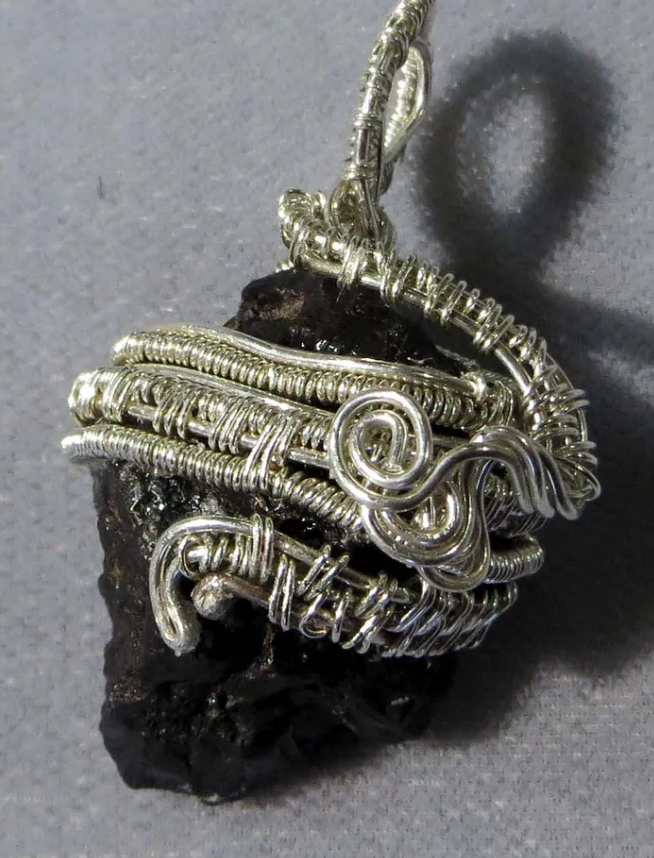
7. I liked this recent quote from KLIMT02
But the artist appeals to that part of our being which is not dependent on wisdom, to that in us which is a gift and not an acquisition- and, therefore, more permanently enduring. He speaks to our capacity for delight and wonder, to the sense of mystery surrounding our lives; to our sense of pity, and beauty, and pain; to the latent feeling of fellowship with all creation- and to the subtle but invincible conviction of solidarity that knits together the loneliness of innumerable hearts, to the solidarity in dreams, in joy, in sorrow, in aspirations, in illusions, in hope, in fear, which binds men to each other, which binds together all humanity- the dead to the living and the living to the unborn. / Joseph Conrad
8. Now is a good time to begin planning for enrichment travel and skills development opportunities you might take advantage of in 2025. Here are some ideas:
Here are 20 jewelry-related travel and learning opportunities in 2025, perfect for designers and enthusiasts who want hands-on experience, cultural immersion, and networking:
- Tucson Gem and Mineral Show — This iconic show offers a variety of workshops in jewelry making and design (Feb 8–11, Tucson, AZ). More information: Tucson Gem and Mineral Show.
- Colors of the Stone — Held in Tucson alongside the Gem Show, with classes in bead making, metal clay, enameling, and more (Feb 1–8, 2025). Details: Colors of the Stone
- Santa Fe Symposium — An annual jewelry technology conference, ideal for designers interested in advanced techniques and business insights (Santa Fe, NM). Find details at Santa Fe Symposium.
- Pasadena Bead & Design Show — Featuring jewelry making and design workshops, Pasadena’s show offers a space for artists and buyers (Jan 17–19, 2025). Learn more: Bead & Design Shows
- Studio di Mare — Sogni d’Oro — In Italy, join immersive jewelry retreats that blend cultural exploration with expert-led classes in enameling and stone setting (Summer 2025, San Mango Piemonte). More info: Studio di Mare
- Great Bead Escape Retreat — A jewelry workshop retreat in Florida offering classes by skilled instructors, suitable for beginners and experienced crafters alike (April 23–27, 2025, Live Oak, FL). Explore more: The Great Bead Escape
- Marin Arts & Crafts Show — A blend of jewelry and fine arts workshops in a scenic setting, ideal for creatives (Mar 7–9, 2025, San Rafael, CA). Details at Marin Arts & Crafts Show.
- Jewelry Arts Academy — Florence — Offers jewelry design and goldsmithing programs with Italian artisans in Florence. Contact them at Jewelry Arts Academy.
- SNAG Conference — Society of North American Goldsmiths hosts its annual conference with workshops and talks on metalsmithing and jewelry (Spring 2025, Location TBA). Info: SNAG Conference.
- Ecole des Arts Joailliers — A prestigious Parisian school offering workshops and courses on traditional French jewelry techniques. Check out L’École Van Cleef & Arpels.
- Penland School of Craft — Located in North Carolina, Penland offers workshops in metalworking and jewelry design throughout the year. Discover more: Penland School.
- Istanbul Jewelry Show — Workshops and networking in a historic jewelry hub, with thousands of international jewelers (March 2025, Istanbul, Turkey). Info at Istanbul Jewelry Show.
- John C. Campbell Folk School — This school in North Carolina provides jewelry and metalsmithing workshops year-round in a peaceful, rural setting. See John C. Campbell Folk School.
- Munich Jewellery Week — An annual celebration of contemporary jewelry art in Munich, Germany, with exhibitions, talks, and workshops (March 2025). Visit Munich Jewellery Week.
- Craft in America Jewelry Residency — A Los Angeles residency offering workshops, talks, and mentorship for emerging jewelers. Find out more at Craft in America.
- Arrowmont School of Arts and Crafts — Tennessee-based school offers multi-day workshops in metals and jewelry design. Learn more: Arrowmont.
- American Jewelry Design Council Workshop — A one-day workshop for emerging jewelry artists in the U.S. More details: AJDC.
- Jewelry Studies International — Offers annual workshops in Austin, Texas, on topics like CAD jewelry design and hand engraving. See Jewelry Studies International.
- Walnut Creek Bead & Design Show — A bead and jewelry show with classes in techniques like chainmaille and wire wrapping (Mar 21–23, 2025). Details: Bead & Design Shows
- Jewelry Design Lab NYC — Based in New York City, this lab offers short-term and seasonal classes in modern jewelry-making techniques. Find out more at Jewelry Design Lab NYC.
These programs provide a diverse range of learning, travel, and cultural experiences to enhance skills and deepen your appreciation of jewelry design worldwide.
Some more ideas:
1. Gemstone Mining Experience in Sri Lanka
- Travel to Sri Lanka to visit traditional sapphire mines, learn about sourcing gemstones, and attend workshops on stone cutting and polishing.
2. Jewelry Design Retreat in Bali
- Join a retreat focused on traditional Balinese silversmithing techniques, including hands-on workshops with local artisans.
3. Italian Goldsmithing Tour in Florence, Italy
- Explore Florence’s historic goldsmithing district, including visits to renowned ateliers and classes on classic Italian jewelry techniques.
4. Diamond District Tour in Antwerp, Belgium
- Gain exclusive insights into the diamond trade with a behind-the-scenes tour of Antwerp’s Diamond District and attend a masterclass on diamond grading.
5. Native American Jewelry Workshop in Santa Fe, New Mexico
- Discover Native American jewelry traditions with workshops led by expert artisans in silver and turquoise jewelry.
6. Gemstone Safari in Tanzania
- Participate in a guided tour of Tanzanian tanzanite mines, with sessions on gem selection, sourcing ethics, and jewelry design.
7. Paris Jewelry Week
- Attend Paris Jewelry Week, featuring exhibitions, workshops, and networking events with prominent European designers and jewelry houses.
8. Jewelry Design Masterclass in Jaipur, India
- Study Indian jewelry design, from enameling to intricate gemstone settings, with local artisans in the “Pink City,” Jaipur.
9. Silversmithing Workshop in Taxco, Mexico
- Taxco is famous for silver. Join a workshop to learn silver jewelry crafting techniques from skilled Mexican artisans.
10. Luxury Jewelry Show Tour in Dubai
- Tour Dubai’s high-end jewelry markets, attend the International Jewellery Show, and visit the Gold Souk for an insider look at the luxury jewelry industry.
11. Art Deco Jewelry Tour in New York City
- A guided tour through New York’s Art Deco landmarks and workshops focusing on jewelry inspired by this iconic style.
12. Lapidary Arts Course in Idar-Oberstein, Germany
- Idar-Oberstein is known for its gem-cutting industry. Attend a course on lapidary arts and gem faceting techniques.
13. Pearl Cultivation Workshop in Okinawa, Japan
- Learn about pearl farming in Okinawa with tours of pearl farms, plus hands-on sessions in pearl grading and jewelry design.
14. Scandinavian Design Tour in Copenhagen, Denmark
- A guided tour focusing on Scandinavian jewelry design, featuring visits to design museums, workshops, and jewelry houses.
15. Thai Gold and Gemstone Tour in Bangkok, Thailand
- Explore Bangkok’s gem and gold markets, attend workshops on Thai goldsmithing, and learn about local jewelry design traditions.
16. Russian Enameling and Filigree Workshop in St. Petersburg
- Learn traditional Russian techniques of enameling and filigree in a workshop setting in historic St. Petersburg.
17. Artisanal Gold Mining Tour in Colombia
- Visit artisanal gold mines in Colombia and attend workshops focused on sustainable and ethical jewelry sourcing.
18. Swiss Watchmaking and Jewelry Workshop in Geneva, Switzerland
- Discover Swiss craftsmanship with a combination of jewelry-making and watchmaking workshops and factory tours.
19. African Beadwork and Jewelry Design Tour in Ghana
- Join a cultural tour and workshop on traditional African beadwork and jewelry-making in Ghana’s artisan villages.
20. Modern Jewelry Design Course in Barcelona, Spain
- Attend a design-intensive course focusing on modern techniques, including 3D jewelry design, hosted in Barcelona.
These trips offer unique learning experiences, hands-on practice, and exposure to global jewelry design techniques and cultures.

And don’t forget to use this 25% discount code
throughout November at Land of Odds!!
Use November’s Discount Code
For Extra 25% Off @Land of Odds:
NOVEMBER25
www.landofodds.com
That’s it for now! There is a lot of creative expression all around the world right now. Hope you get to experience a lot of it, either first hand, or through social media online.
WSF
SOME POSTS YOU MAY HAVE MISSED:
(1) HOLD THEIR ATTENTION WITH TEXT HOOKS
One way of keeping and holding someone’s attention is to use what is called a text hook or verbal hook at the beginning — literally within the first 2 seconds.
(2) How do you make the leap from another career to becoming a full-time jewelry designer?
(3) How To Bead A Rogue Elephant: DOUBT AND SELF-DOUBT
For the novice, all that excitement at the beginning, when thinking about making jewelry and making some pieces, sometimes collides with a wall of developing self-doubt. It’s not easy to quiet a doubt. Doubt may hold you back, but it can also be seen as an opportunity.
(4) How To Bead A Rogue Elephant: TRANSITIONS
A piece of jewelry is a series of sections, each integral to the piece, which must flow together visually and functionally. For example, transitioning from the strap to the centerpiece. How the jewelry designer manages the transitions between each section will determine to a great degree the success of the piece.
(5) SIGNATURE READY? … You Judge!
(6) COLUMBIA ARTS DISTRICT: CASE STUDIES
There are many approaches various towns and cities have taken when finding that mix of art and planning necessary for revitalization, and community and economic development.
(7) COLUMBIA TENNESSEE ARTS DISTRICT VISIONING PLAN
Establishing an arts identity can take many directions. A vibrant arts scene no longer means a street lined with art galleries. It can include a broader segment of the creative community — theatre, music, writing, crafts, fashion, media arts, applied arts and graphic design, interior design. The specific arts identity for any community is shaped by those arts for which a community has a special affinity for, as well as the types of assets available to support those arts.
Feature your jewelry Here next week In This Newsletter, as well as, on our Jewelry Designer’s Hub!
Email a post (text and/or image) to warren@warrenfeldjewelry.com.
Promote your current projects, promotional copy, News & Views, videos, reels, tutorials, instructions, social media posts online in this newsletter and on our jewelry designers’ Patreon hub.
No deadlines! Opportunity available all the time. No fees.
But don’t wait to take advantage of this opportunity.
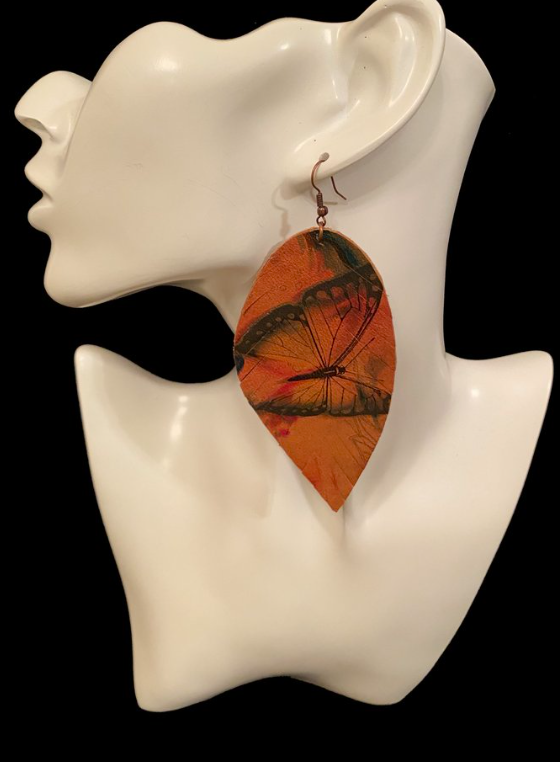
FREEBIRD FEATHERS by B. Batson-Paculabo
https://www.freebirdfeathers.com
View the featured story in our App
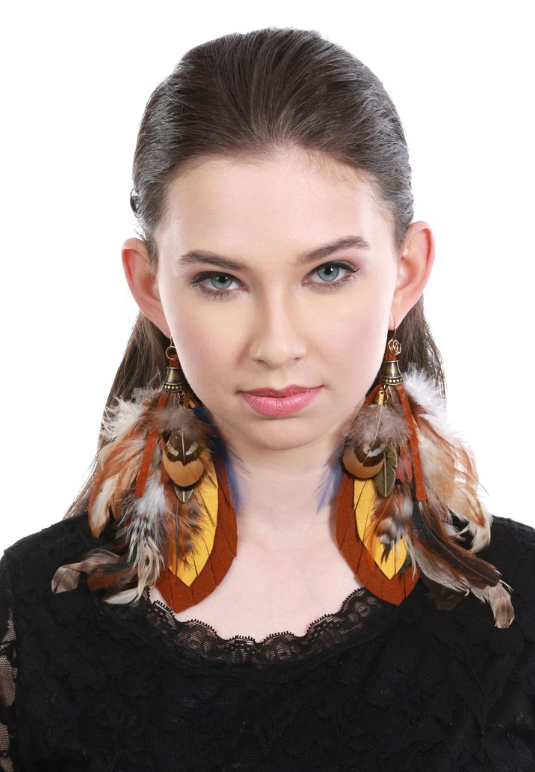
“Our story is rooted in the personal testimony of our founder, B. Batson-Paculabo, which tells of how she overcame a low season of adversity with a God encounter and answered prayers that led to liberation and unlocking gifts from within.”

This copyrighted material is published here with permission of the author(s) as noted, or with Land of Odds or Warren Feld Jewelry. All rights reserved.
Repairs Stumping You?
Let Me Take A Look
I take in a lot of jewelry repairs. People either bring them to me in Columbia, TN, or, I pick them up and deliver them back in Nashville. I am in Nashville at least once a week. It’s been convenient for most people to meet me at Green Hills Mall. But if not, I can come to your workplace or your home. This is perfectly fine for me. My turnaround time typically is 3–4 weeks.
I do most repairs, but I do not do any soldering. I also do not repair watches. These are the kinds of repairs I do:
o Beaded jewelry
o Pearl knotting, hand knotting
o Size/Length adjustment
o Re-stringing
o Wire work/weave/wrap
o Micro macrame
o Broken clasp replacfement
o Earring repair
o Replace lost rhinestones or gemstones
o Stone setting
o Stretchy bracelet
o Metal working which does not involve soldering
o Bead woven jewelry and purses
o Beaded clothing
o Custom jewelry design
View my How-To-Repair-Jewelry videos on our Jewelry Designers’ Hub.
My most recent how-to: Converting 3-Strand Stretchy Bracelet to Cable Wire W/ Clasp
WARREN FELD JEWELRY (www.warrenfeldjewelry.com)
Custom Design, Workshops, Video Tutorials, Webinars, Coaching, Kits, Group Activities, Repairs
~~~~~~~~~~~~~~~~~~~~~~~
Join our community of jewelry designers
on my Patreon hub
Be part of a community of jewelry designers who recognize that we have a different way of thinking and doing than other types of crafters or artists.
One free downloadable Mini-Lesson of your choice for all new members!
~~~~~~~~~~~~~~~~~~~~~~~
Follow me on social media: facebook, instagram
shop.warrenfeldjewelry.com
Where you can buy:
Seed Beads and Delicas, Kits, Books, Finished Jewelry
school.warrenfeldjewelry.com
Take advantage of our video tutorials, mini-lessons, projects and our coaching services:
Read articles about jewelry design and about the business of craft:
Articles on Medium.com
Books (in kindle, ebook or print formats) by Warren Feld, purchase from Amazon.com or BarnesAndNoble.com:
Kits by Warren Feld
Ask about my COACHING services
Arrange a GROUP ACTIVITY
Add your email address to my Warren Feld Jewelry emailing list here.
Thanks for being here. I look forward to sharing more resources, tips,
sources of inspiration and insights with you.
Join A Community Of Jewelry Designers
On My Patreon Hub