

Columbia ARTS DISTRICT
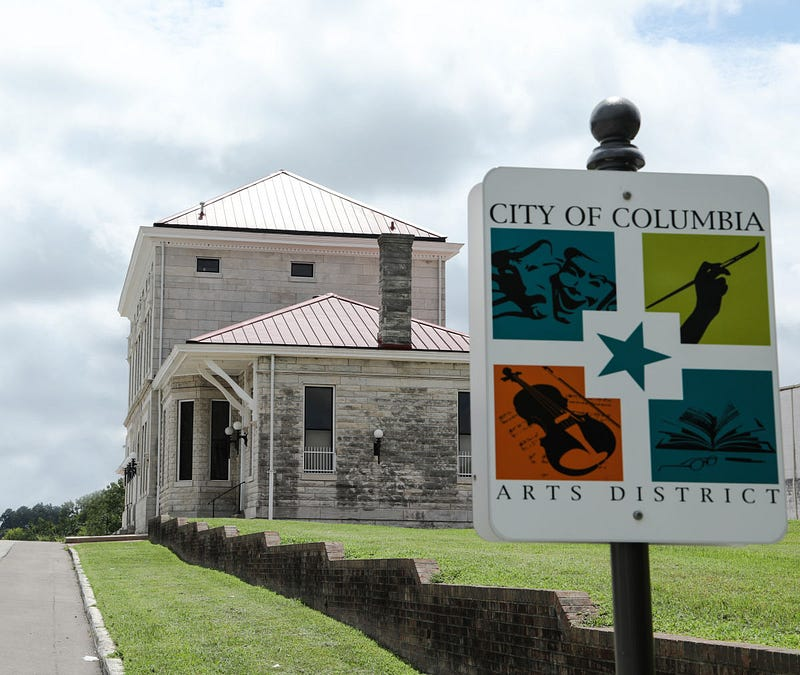
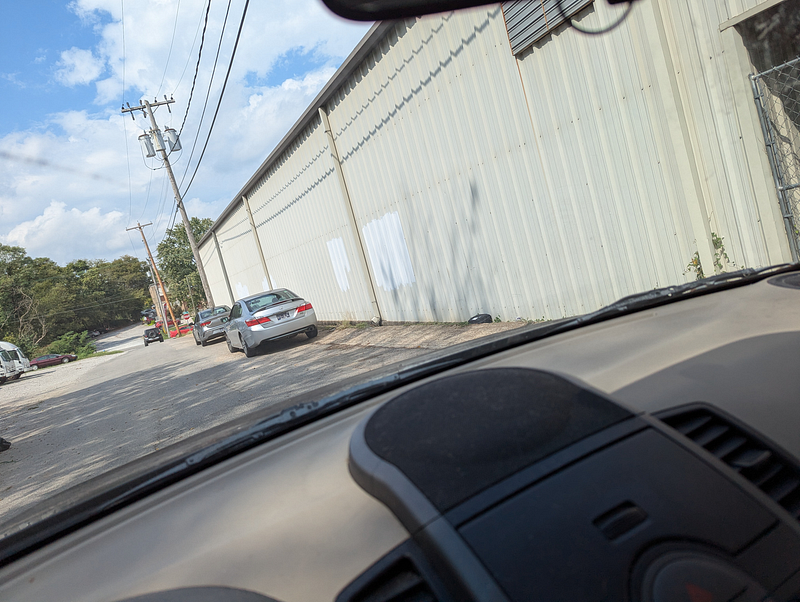
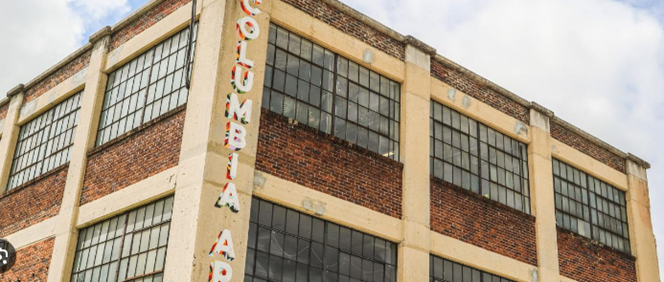
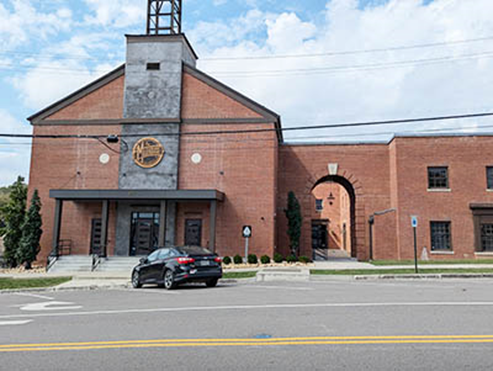
The Columbia ARTS DISTRICT (CAD) was created to provide a haven for artists to live and work. The CAD is located a few blocks from Downtown Columbia in the South Garden/High Street area. The City has established historic zoning overlays to protect historic and cultural assets that include distinct neighborhoods like the ARTS DISTRICT. The area currently comprises several blocks of old warehouses, old houses (some historically significant), mobile homes and manufactured homes, and vacant lots. One warehouse building was turned into a multi-story mix of artist studios, retail spaces, coffee house, some office space. There are some restaurants and specialty shops in the District, but not many. Columbia is a small town of about 45,000 residents, growing 2–3% annually, and is located about 45 miles south of Nashville.
My Interest In Creating A Visioning Plan
For The ARTSWORKS ART DISTRICT
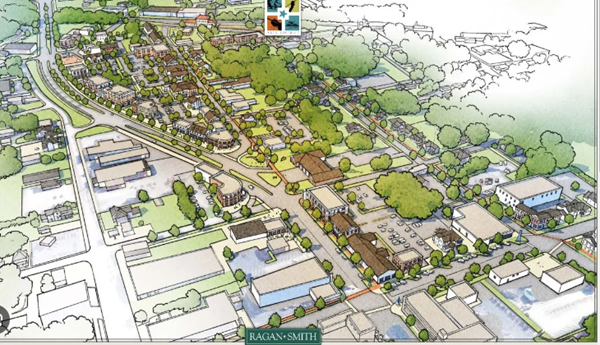
I am a relatively recent resident of Columbia, TN. I have an extensive background in city planning, city revitalization, art and design. The COLUMBIA ARTS DISTRICT area, about 1 square mile in size, and abutting the downtown, has excited me in so many ways, not least of which, because the idea to use the arts as a planning tool for community and economic development offers so many great possibilities.
The BIG question for me was whether you can create a community-based Arts District, where the focus and energy emerge from how the community interacts with and finds meaningful experiences within the space, rather than focusing on physical design per se.
My SECONDARY question was whether a District designed to bring artists to live, work and play together can remain competitively viable over time, or will the community either lose interest or will the area become so attractive that gentrification negates its original reason for being. Time will tell, … as will smart thinking, planning, and cooperative partnering.
My excitement comes from things like,
(1) Taking a proactive approach to planning for the arts, maximizing realistic and effective physical and social development, and minimizing unintended consequences, when making a space into a place.
(2) Promoting cooperative relationships among artists, planners, developers, educators, nonprofits, funding sources and the general public, leading to a greater sense of place, voicing a narrative for it, and celebrating it.
(3) Offering many possibilities for nontraditional engagement program and physical development and the community
(4) Focusing on the ‘arts’ (broadly defined) as a driver of community and economic development, perhaps generating new practices and ideas in urban planning, the arts and design, and thus elevating ideas about creative place-making
(5) Relying on a local framework to steer community and economic development, hopefully resulting in a more unique expression of the Columbia community
(6) Recognizing that the city has a strong commitment for developing the Arts District
(7) Having an early opportunity to create a strong vision for development, preventing some undesirable development outcomes.
The Arts As Defined By Columbia
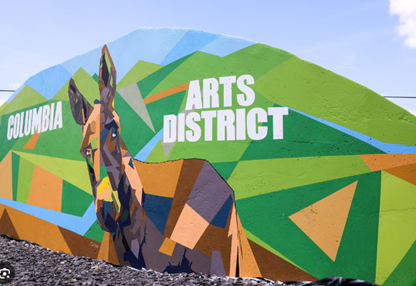
Initially, Columbia Arts Council focused on 5:
· Visual Arts (painting, sculpture, applied arts, graphic arts)
· Theater
· Craft
· Music
· Writing
I suggested breaking out applied arts and graphic arts as their own discipline apart from visual arts.
I suggested adding:
· Fashion
· Interior Design
People pursue artistic and creative expression through a variety of outlets: formal theatrical performances, sculptures, paintings, and buildings; as well as the less formal arts, music and food festivals, celebrations and informal cultural gatherings, pickup bands, and crafts groups. Together, these formal and informal, tangible and intangible, professional and amateur artistic and cultural activities constitute a community’s cultural assets. These activities — which encompass a diverse set of locations, spaces, levels of professionalism and participation, products, events, consumers, creators, and critics — are essential to a community’s well-being, economic and cultural vitality, sense of identity, and heritage. (American Planning Association, 2011)
People participate in arts and culture at varying levels of skill and engagement. Participants include creators (from the professional actor to a child actor in a school play), consumers (from the audience member for an opera performance to the parent of the child in the school play), and supporters and critics (whether foundations, parents and school fund-raisers, or journalists).
Some create, while others listen to, watch, teach, critique, or learn a cultural activity, art form, or expression. Some are professional artists, designers, and inventors, while others engage informally in expressive activities or create innovative tools, relationships, or products.
The field as a whole can be represented within a framework that has four main aspects:
1. Degree of professionalism, (professional/formal à vocational/informal)
2. Type of product or activity, (tangible à intangible)
3. Locations and spaces, (specific purpose venue à non-arts venue)
4. Level of participation and involvement (creator à consumer)
(American Planning Association, 2011)
What makes a great place? What keeps it great over a very long, sustained time?
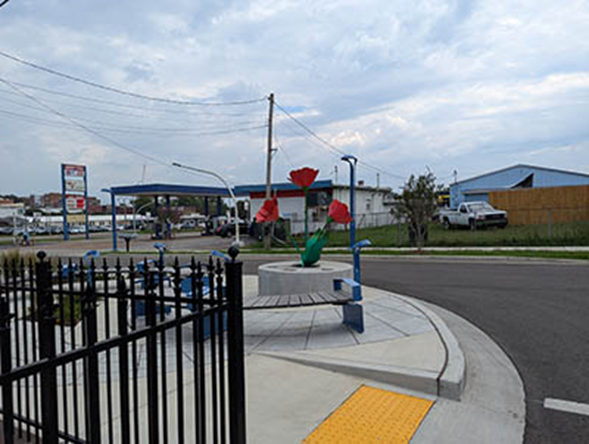
These are questions we need to be asking ourselves as we translate visions of what can be into actual programs of community and economic development. This vision plan for the ARTSWORKS ARTS DISTRICT provides a lot of food for thought, some tools for clarifying options, and some suggestions for how to approach Placemaking over the next several years. It is an effort to help us collectively reinvent and reimagine what could be. Something more than attractive urban designs. Something distinctive from other cities and towns. Something with community and meaning and quality well-being, shaping how people come together, interact, share experiences and feel a special connection to this place we call the ARTSWORKS ARTS DISTRICT and this place we call Columbia.
The object is to create a place, not a design.
About Placemaking
(based on information from ArtPlace America
https://www.artplaceamerica.org/ )
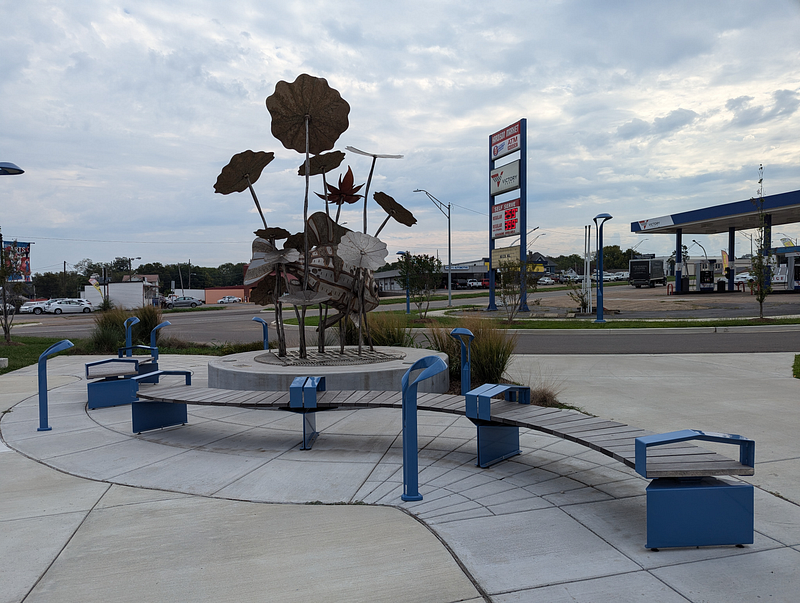
Placemaking inspires people to collectively reimagine and reinvent public spaces as the heart of every community. Strengthening the connection between people and the places they share, placemaking refers to a collaborative process by which we can shape our public realm in order to maximize shared value. More than just promoting better urban design, placemaking facilitates creative patterns of use, paying particular attention to the physical, cultural, and social identities that define a place and support its ongoing evolution.
Great public spaces are those places where celebrations are held, social and economic exchanges occur, friends run into each other, and cultures mix. They are the “front porches” of our public institutions — libraries, field houses, schools — where we interact with each other and government. When these spaces work well, they serve as the stage for our public lives.
What makes some places succeed while others fail?
To be successful, places generally share the following four qualities:
1. They are accessible
2. People are engaged in activities there
3. The space is comfortable and has a good image
4. It is a sociable place: one where people meet each other and take people when they come to visit.
Access & Linkages
You can judge the accessibility of a place by its connections to its surroundings, both visual and physical. A successful public space is easy to get to and get through; it is visible both from a distance and up close. The edges of a space are important as well: For instance, a row of shops along a street is more interesting and generally safer to walk by than a blank wall or empty lot. Accessible spaces have a high parking turnover and, ideally, are convenient to public transit.
Activities
Activities can take many forms — one-off programs, ongoing programs, small number of participants to a large number of participants. The placemaking goal of each activity is that participants have a meaningful experience, and one they want to share with others.
Comfort & Image
Whether a space is comfortable and presents itself well — has a good image — is key to its success. Comfort includes perceptions about safety, cleanliness, and the availability of places to sit — the importance of giving people the choice to sit where they want is generally underestimated, and the availability of shade.
When it comes to accessibility, it isn’t simply enough to be able to get to a place. To fully enjoy a space, people must be able to navigate it and spend time there with dignity and confidence. Unfortunately, many spaces deliver a message of exclusion to their visitors.
Sociability
This is a difficult quality for a place to achieve, but once attained it becomes an unmistakable feature. When people see friends, meet and greet their neighbors, and feel comfortable interacting with strangers, they tend to feel a stronger sense of place or attachment to their community — and to the place that fosters these types of social activities.
Power of 10+
The idea behind this concept is that places thrive when users have a range of reasons (10+) to be there. These might include a place to sit, playgrounds to enjoy, art to touch, music to hear, food to eat, history to experience, and people to meet. Ideally, some of these activities will be unique to that particular place, reflecting the culture and history of the surrounding community. Local residents who use this space most regularly will be the best source of ideas for which uses will work best.
Some questions/concerns to consider when placemaking
- Does the space function for people with special needs?
- Providing shade, ways to cool off, or spots to take cover during a storm not only ensure that public spaces are usable in all weather, but also that they become trusted refuges in an era of climate crisis.
- Accessible bathrooms
- Regular maintenance of public spaces
- The more activities that are going on at one time, and that people have an opportunity to participate in, the better
- Good balance between men and women
- People of different ages are using the space
- The space is used throughout the day
- A space that is used by both singles and people in groups is better than one that is just used by people alone because it means that there are places for people to sit with friends, there is more socializing, and it is more fun.
- The ultimate determinant of a place’s success is how well it is managed.
- Are people using the space or is it empty?
- Are people in groups?
- How many different types of activities are occurring — people walking, eating, playing baseball, chess, relaxing, reading?
- Which parts of the space are used and which are not?
- Are there choices of things to do?
- Is there a management presence, or can you identify anyone who is in charge of the space?
- Is this a place where you would choose to meet your friends? Are others meeting friends here or running into them?
- Are people in groups? Are they talking with one another?
- Do people seem to know each other by face or by name?
- Do people bring their friends and relatives to see the place or do they point to one of its features with pride?
- Are people smiling? Do people make eye contact with each other?
- Do people use the place regularly and by choice?
- Does a mix of ages and ethnic groups that generally reflect the community at large?
- Do people tend to pick up litter when they see it?
Establishing An Arts Identity
Establishing an arts identity can take many directions. A vibrant arts scene no longer means a street lined with art galleries. It can include a broader segment of the creative community — theatre, music, writing, crafts, fashion, media arts, applied arts and graphic design, interior design. The specific arts identity for any community is shaped by those arts for which a community has a special affinity for, as well as the types of assets available to support those arts.
Depending upon the values and decision making criteria put into action today, the area can evolve, over time, towards one of 4 ways:
(1) Museum: people come to look, but often do not linger or return to look again; the art is static
(2) Amusement Park: people come to play (think lower Broadway in Nashville); the art is ignored
(3) Gentrified and Residential: people come to live and the area becomes somewhat insular, with the importance of the arts often diminished to the role of ornamentation
(4) Community organized around the idea of “art”: people come from near and far to interact with the arts as a way of enhancing a meaningful and memorable sense of self and community
I prefer option #4, and that is my bias throughout this visioning plan.
Development takes time and patience. It takes vision and values. Development with little to no or poor planning is a waste of time, and typically fails in its quest to realize any set of vision and values. Decisions made today will impact what the area looks like 25–50 years from now.
Columbia’s Art Culture
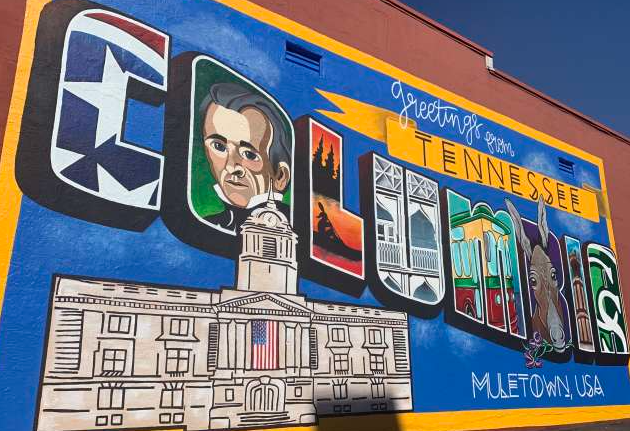
Columbia’s arts, culture, and music scene add flavor to the region, cultivated with the support of:
· Non-profit arts organizations, including multiple community theater groups
· ARTS DISTRICT
· Columbia citizens
Columbia nightlife highlights the growing music culture as more artists showcase their talents at local restaurants and local venues.
Columbia Arts Council
COLUMBIA ARTS COUNCIL Authority: Promotes Arts in the Community Appointed by the Mayor Confirmed by Council Terms: Three Years Composition: Nine Members Involved in the Arts
Advised by Tourism & Marketing Director Role in Planning Process:
Final Decision on Appeals of Zoning Administrator’s Determination of Arts-Related Uses in the Arts District Overlay
City Specified Guiding Essential Values
Columbia has set a development goal to make an area adjacent to the downtown, in this plan referred to as the ARTSWORKS ARTS DISTRICT, into a place where the community organizes around the arts (broadly defined). These are the guiding essential values toward that end.
· The Arts
· Viability
· Connection and Flow
· Vitality
· Interactivity
· Diversification and Flexibility
· Steadfast
· Neighborly
· Leverage
· Sustainability
· The Arts: Emphasize the arts as the ARTSWORKS ART DISTRICT’s main theme. The arts are to be broadly defined as inclusive of visual artists, theater, crafts, writers, and musicians. The Arts are to be represented in a variety of ways, from business development, to exhibitions, to demonstrations, to public art, to the structuring of meaningful public experiences, to education, to physical infrastructure planning, to one-off as well as ongoing programs and events.
· Viability: Build, attract and retain creative talent. Encourage additional development of arts-related uses that complement the district’s theme. This will enhance the life and energy of the city, contribute to the long-term viability and success of businesses in the ARTSWORKS ARTS DISTRICT, and help the city attract new types of businesses which will diversify its commercial base.
· Connection and Flow: Columbia provides options for safe, efficient and accessible movement throughout the ARTSWORKS ARTS DISTRICT, including pedestrian walkways, proposed INTERACTIVE ARTS TRAILS (one by auto, the other by foot), attention to areas of potential conflict between cars, bicycles and pedestrians. The ARTSWORKS ARTS DISTRICT should be easily navigable by all.
· Vitality: Columbia ARTSWORKS ARTS DISTRICT is a safe community with opportunities for the personal and community expression through the arts (broadly defined), and the setting and maintaining of high standards for the quality of the built environment, the commercial and residential environment. Retain many of The District’s architectural features and landscape. Enable affordable residential and commercial spaces for artists and art-related businesses. Ensure many comforts throughout, such as seating and shading. Designed for lingering.
· Interactivity: Engage visitors in ways traditional artwork does not. Encourage community participation and meaningful interaction and immersion in some form with the art they are seeing, hearing, touching, smelling, experiencing. The ARTSWORKS ARTS DISTRICT should be seen by the public as a sociable place, where they want to come to meet others, are comfortable with strangers, share meaningful experiences, and where they want to bring their friends and family to see and experience.
· Diversification and Flexibility: The ARTSWORKS ARTS DISTRICT will include a mix of residential, restaurant, retail, art, educational, other commercial, hotel/motel/conference/exhibition/B&B /inn infrastructure. The ARTSWORKS ARTS DISTRICT will be a place for programs, exhibits, demonstrations, special events, educational and training related to visual and sculptural art, craft, theatre, music and writing. The ARTSWORKS ARTS DISTRICT will host several flexible-use spaces.
· Steadfast: The ARTSWORKS ARTS DISTRICT is viable as a livable, workable, and commercial area of Columbia, where development is economically sustainable and pertinent to both community and economic development, new development is cohesive and compatible, that the distribution of new development is balanced and flows organically throughout the entire delineated area, and the unique character of this neighborhood develops as vibrant, interactive and community based. Tensions between historical preservation and land use and business development are resolved.
· Neighborly: Columbia ARTSWORKS ARTS DISTRICT is a place where all residents feel welcome and included in community decisions.
· Leverage: Where it makes sense, Columbia should use a leverage approach to encourage developments and programs. Columbia can leverage money, power, position, and authority. Columbia might offer an incentive where every private dollar raised would be matched with one dollar of city funds. Columbia might foster (and mentor) public/private partnerships. Columbia might use its location, population and industrial mix to its advantage. Columbia might develop additional criteria and planning/development standards and codes to the advantage of the ARTSWORKS ARTS DISTRICT and leading development in line with values, goals and objectives. Columbia might rely on volunteers to accomplish many of its development and program goals.
· Sustainability: The ARTSWORKS ARTS DISTRICT over time should become less and less dependent on city funds.
Concerns
It is important to try and anticipate what kinds of things can go right, and what kinds of things can go wrong, as the ARTSWORKS ARTS DISTRICT develops. Will initial investments prove overly optimistic about their return? Will the area generate a lot of excitement at first, but not be able to sustain that excitement over time? Will “art” remain the core organizing principle for the area, or be replaced by unrelated commercial and/or residential development?
It is also important to try and anticipate how Columbia’s ARTSWORKS ARTS DISTRICT will continue to provide stimulus to sense of community and fiscal viability, and how it might not. Will visitors to the district be motivated to stay long enough to spend money there? Will they return and visit again? Will they have a memorable experience that they want to share with others?
It is also important to try and anticipate how Columbia’s ARTSWORKS ARTS DISTRICT can create and retain a competitive advantage over similar or competing areas in neighboring towns, in other towns in Tennessee and in other towns throughout the United States. If every town takes an interior design approach (Museum) with placement of murals and sculptures, how will Columbia differentiate itself?
What things will keep the ARTSWORKS ARTS DISTRICT going over the next 10–50 years as it develops, and what things will prove to be impediments?
Goals and Objectives

COLUMBIA ARTSWORKS ARTS DISTRICT GOALS:
A community organized around creative talent and businesses can improve…
#1: Character
#2: Opportunity
#3: Support
#4: Investment
#5: Administration and Regulation
Read the full plan here.
Table of Contents
1. THE ARTSWORKS DEVELOPMENT OPPORTUNITY, p. 2
2. ESSENTIAL GUIDING VALUES, p. 8
3. PLACEMAKING, p. 11
4. WHAT IS INTERACTIVE ART, p. 15
5. CONCERNS, p. 17
6. THE FUNCTIONAL PRIMARY NEEDS AND SECONDARY EFFECTS
OF THE VARIOUS ARTS, p. 21
7. GOALS AND OBJECTIVES, p. 23
8. LAND USE AND PROGRAM APPROACHES AND POSSIBILITIES, p. 29
Primary strategies and tools towns resort to, p. 30
9. EXAMPLES OF TYPES OF PROGRAM ACTIVITIES, p. 39
What Is An Arts Trail, p. 40
9a. Visual Arts, p. 45
9b. Theatre, p. 50
9c. Outdoor Stage Options, p. 55
9d. Crafts, p. 60
9e. Music, p. 65
9f. Writing, p. 69
9g. Applied Arts and Graphic Arts, p. 73
9h. Fashion, p. 77
9i. Interior Design, p. 79
9j. Interdisciplinary Ideas, p. 82
10. DESCRIPTION OF AREA, p. 83
With Suggestions For High Priority Land Uses Development, p. 85
How a CONFERENCE HOTEL differs from a CONVENTION HOTEL, p. 98
11. IMPLEMENTATION PROPOSALS AND RECOMMENDATIONS, p. 100
Creating Partners, p. 117
Organizing Volunteers, p. 118
12. FUNDING POSSIBILITIES, p. 119
In-state Tennessee funds, p. 120
Funding methods used to develop arts districts across America, p. 122
Foundation and grant funds in Tennessee which may be used for the arts, p. 124
Funding and grant programs for the arts and artists, p. 125
13. ORGANIZATIONAL RESPONSIBILITIES, p. 128
14. STANDARDS & CRITERIA, p. 130
15. CASE STUDIES, p.138
_______________________________________________________
I have set up a space for our community of jewelry designers — Warren Feld Jewelry’s PATREON HUB — to learn, to interact, and to provide and/or get feedback on what they are working on. Please join here.
Be part of a community of jewelry designers who recognize that we have a different way of thinking and doing than other types of crafters or artists. Access more articles and other resources not included in my medium.com site.
Visit my website www.warrenfeldjewelry.com
Feel free to add your comments.
Shop with us at Land of Odds.