Immerse Yourself in Centuries of Design — Hands-on Workshop, Market Adventures, and Cultural Inspirations Await
I have always been fascinated by how contemporary jewelry artists reinterpret traditional designs to make them more alive for today’s audiences. My fascination led me to Istanbul – where jewelry has been made for over 3,000 years, and its contemporary artists some of the best in the world. Each approaches contemporizing traditional jewelry in unique ways. I can’t wait to meet them and see their work in person.
DIALECTIC: Jewelry As Interaction and Shared Understandings. Jewelry is a two-way street. It is a way to create, confirm and retain connections. At its very core, it is interactive and communicative. It is more an action than an object. Jewelry can start a conversation. Jewelry encapsulates a very public, ongoing matrix of choices and interactions among artist, wearer and viewer, with the purpose of getting responses. It is a dialectic.
The optimum position to view jewelry is on a person’s body, where and when its dialectical power is greatest. Again, it is very public, yet concurrently, very intimate. We exhibit jewelry. It forces reaction, response and reciprocity. Jewelry helps us negotiate, in relatively non-threatening ways, those critical tensions and contradictions in life, not merely define them.
It very publicly forces us to reveal our values, delineate tensions and contradictions which might result, and resolve all those betwixt and between qualities which occur as the artist, wearer, viewer, marketer, seller, exhibitor and collector try to make sense of it all. Conversely, jewelry, as worn, may signal that any negotiation would be futile, but this is a dialectic, communicative act, as well.
Jewelry expresses or implies things, the relevance of which emerges through interactions. There is an exchange of meaning. There is some reciprocity between the artist expressing an inspiration with the desire for a reaction, and the wearer evaluating the success of the piece and impacting the artist, in return. We have those coherence-contagion-decoherence behavioral patterns discussed above.
Jewelry is persuasive. It allows for the negotiation of influence and power in subtle, often soft-pedalled ways. It helps smooth the way for support or control. Compliance or challenge. Wealth and success or poverty and failure. High or low status. Social recognition. An expression of who you know, and who might know you. Jewelry is a tool for managing the dynamics between any two people.
Jewelry is emotional and feeling, with attempts by the artist to direct these, and with opportunities for others to experience these. It is not that we react emotionally to the beauty of an object. It is not mechanical or fleeting. It is more of a dialectic. The jewelry is an expression of an artist’s inspiration and intent. We react emotionally to what we sense as that expression as it resonates from the object itself. This resonance ebbs and flows, waxes and wanes, over time as the object is worn in many different situations.
Jewelry draws attention. It becomes a virtual contract between artist and wearer. The artist agrees to design something that will call attention to the wearer and that wearer’s preferred sense of self. The wearer agrees to wear something that reaffirms the artist’s insights for all to witness and experience and draw support.
Jewelry may cue the rules for sexual and sensual interactions. Nurturing and desire. Necklaces draw attention to the breasts. Earrings to the ear and neck. Rings to the hands. Jewelry, such as a wedding band, may confirm a relationship, and signal permission for various forms of touching that otherwise would not be appropriate. The silhouettes and placements of jewelry on the body indicate where it may be appropriate for the viewer to place his gaze or touch, and where it would not.
We don’t feel alone because we have opportunities to have a dialectic experience — a dialogue between self and artist, self and others, self and self — all catalyzed by the piece of jewelry, and our sensation of all the choices that had to be made in order for it to exist, in order for it to feel coherent, in order for it for fulfill desire, and in order for all of this to somehow feel contagious and resonant. We don’t feel alone because the jewelry taps into something inside us that makes us want to wear it, buy it and share it.
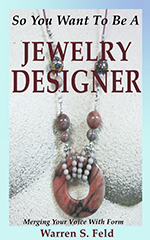
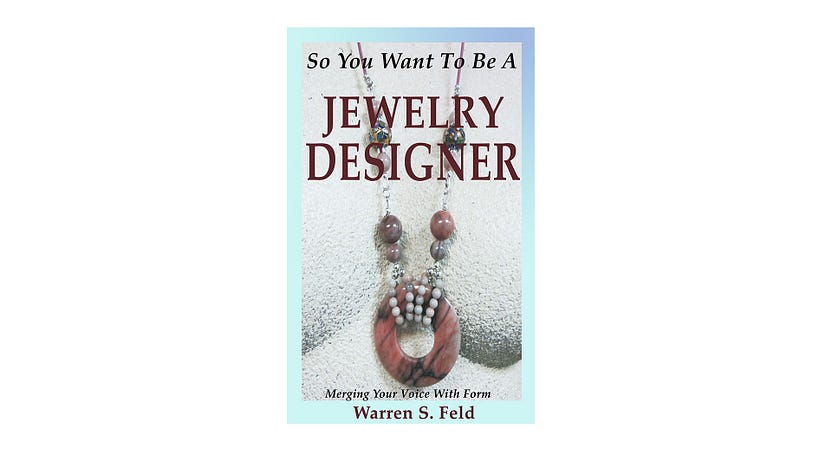
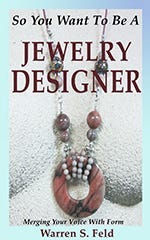
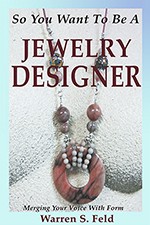
SO YOU WANT TO BE A JEWELRY DESIGNER Merging Your Voice With Form
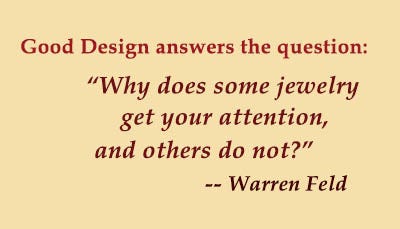
So You Want To Be A Jewelry Designer reinterprets how to apply techniques and modify art theories from the Jewelry Designer’s perspective. To go beyond craft, the jewelry designer needs to become literate in this discipline called Jewelry Design. Literacy means understanding how to answer the question: Why do some pieces of jewelry draw your attention, and others do not? How to develop the authentic, creative self, someone who is fluent, flexible and original. How to gain the necessary design skills and be able to apply them, whether the situation is familiar or not.
From Warren Feld and Land of Odds TAKING JEWELRY BEYOND CRAFT Join my community of jewelry designers on myPatreon hub August 15, 2025 Sign up for a Free or Paid Subscription[Note: Paid Subscribers on Patreon Hub get 25% Off @Land of Odds]www.landofodds.comHi everyone,
Some Updates and Things Happening. (Please share this newsletter)
In this Issue: 1. Jewelry Designer’s Action Exercise 2. How Do You Know When A Piece Is Complete? 3. Eddie Basha Family Collection of Native American Jewelry 4. Primarily Use Instagram To Build Up Your Email List 5. Masriera Art Nouveau Jewellery, 1839 6. How to Know It’s Time to Nudge Prices Up 7. Wearable Poetry
1) Define your 5 jewelry designer friends you would like to most influence you. If you predict your future as a jewelry designer based on the average of those 5, you will find yourself smiling for who you are bound to become.
They can also be part of the “eminent dead” (jewelry designers from the past that you admire).
2) Are they the 5 jewelry designers you spend the most time with, or thinking about, or studying their work? If not, decide what are the necessary changes you want to make so that they become so.
~~~~~~~~~~ 2. How Do You Know When A Piece Is Complete?How Do You Know When a Work of Art is Complete?by Ivan Barnett, Klimt02, 7/28/2025 Read the full article here
“It happens in most studio practices more times than not. Every conversation between artist and mentor, gallerist and collector ask this question. It’s a question that hovers silently over the table or sometimes echoes in the middle of the night when you’re staring at a work: “How do I know when it’s finished? How do I know when to stop?” That wise old saying “sleep on it” can often be the perfect solution. Studying the work when you are fresher can be one of the best solutions. Yet, at the heart of the matter, I have found that “the knowing” comes from the years of “going too far,” because you think the work or exhibition will be better or stronger “if I do more.” That can be the case at times. However, there’s nothing better than going too far too many times to remind us.”
“Completion is not perfection. The quest for perfection is often elusive. The real signal of completion is that final moment when the creative can say with ease that “I wouldn’t move or change one thing.” The piece no longer tugs at your sleeve—it offers us a quiet “yes.””
Basha Sr, the father, moved to the United States via New York City to join his family in 1884. He would move to Arizona in 1910, where he founded a general store in the town of Pima, then called Goodyear. In the 1930s, the Bashas traded extensively with Akimel O’odham (Pima) peoples, who would bring mesquite wood to exchange for groceries. It was a different time, with firewood a valuable and always needed resource for the wood stoves that heated most buildings in those days.
Basha Jr gathered most of this collection in the 1980s and 2000s. What makes it special is the personal relationships Eddie shared with many of the artists. More than objects, these pieces represent the friendships and the respect shared between the Basha family and these master artisans.
Basha Sr moved to the United States via New York City to join his family in 1984. He would move to Arizona in 1910, where he founded a general store in the town of Pima, then called Goodyear. In the 1930s, the Bashas traded extensively with Akimel O’odham (Pima) peoples, who would bring mesquite wood to exchange for groceries. It was a different time, with firewood a valuable and always needed resource for the wood stoves that heated most buildings in those days.
Basha Jr gathered most of this collection in the 1980s and 2000s. What makes it special is the personal relationships Eddie shared with many of the artists. More than objects, these pieces represent the friendships and the respect shared between the Basha family and these master artisans.
4. Primarily Use Instagram To Build Up Your Email List 💻 To get people to register their emails, bring them to your website & sell high-ticket jewelry through Instagram… Focus on building your mailing list, this is where most conversions will happen.Offer a free incentive (lead magnet) to encourage people to sign up.Create a sense of exclusivity and scarcity: emphasize when pieces are one-of-a-kind or produced in limited quantities.Study successful designers/artists in your niche who consistently sell out and observe how they structure their sales funnel and build anticipation.
~~~~~~~~~~ 5. Masriera Art Nouveau Jewellery, 1839
Visit the website to drool over 100s of his pieces, and a more thorough presentation of the jeweler, his work, video demos of enameling, and much more.
Masriera is one of my favorite jewelers. You can still visit his studio and shop in downtown Barcelona.
“Handcrafted, delicate and exquisite jewelry that embodies the world of fantasy and colour of this artistic movement. Its origins are boldly revealed in its iconographic features, strongly inspired by the Mediterranean, where winding floral forms and feminine sensuality breathe life into the mystical fusion of “woman and nature”, dreaming up fairies, nymphs and a whole imaginary universe of figurative art.”
“The roots of this brand date back to the 19th century, when LLuís Masriera, born into a family of artists, painters, enamellers and jewellers firmly linked to the cultural and artistic life of Barcelona, decided to open his first workshop in the city to explore new creative channels of expression of the Art Nouveau style in jewelry.”
“After almost two hundred years, MASRIERA continues to perfect the enamelling technique: a careful and meticulous process in which the translucent enamel is applied in such a way that light passes through it. “
Visit the website to drool over 100s of his pieces, and a more thorough presentation of the jeweler, his work, video demos of enameling, and much more.
~~~~~~~~~~
6. How to Know It’s Time to Nudge Prices Upby Red Dot Blog (a great newsletter to sign up for) https://reddotblog.com/
Read the full article hereHere are a few reliable signs it’s time to raise prices:Your work is selling faster than you can replace it. If pieces are flying off the wall, your prices are likely too low.You’re receiving consistent positive feedback—but from buyers who hesitate to commit. Sometimes a higher price can actually increase perceived value and help buyers take the work more seriously.You’ve built a steady following and repeat buyers. Your collectors believe in you. Gradual increases won’t scare them off—especially if you’re transparent and consistent.Your business is struggling to cover costs despite strong sales. If profit margins are tight and you’re not covering overhead, a pricing adjustment is warranted.He’d also add this: if you find yourself frequently rationalizing your current price structure—“It’s not the right time,” “The economy’s shaky,” “Maybe next year”—those are often signs that a price increase is overdue. A Practical Approach to Raising PricesHere’s how I advise approaching a price increase:Do it gradually. A 10–15% increase annually is usually reasonable and expected. For work that’s in especially high demand, you might consider more, but always weigh consistency and sustainability.Be transparent with returning collectors. Let them know your prices are increasing soon. Some will jump to purchase before the change. Others will appreciate being in the loop.Don’t apologize. Frame your price increase as a natural reflection of your growth and success. Collectors will mirror your confidence.Update everything at once. Be sure your website, portfolio, price lists, and gallery partners are all in sync. Confusion breeds mistrust.
“In “Wearable Poetry”, which received the honorary SMCK ON REEL Audience Award (2) in Munich in March 2025, we – contemporary jewelry artist Neringa Poškutė-Jukumienė and poet Rosana Lukauskaitė – came together to investigate transformation through the confluence of wearable art and language. This collaborative project unfolded during a ten-day creative residency in Lisbon, supported by the “Culture Moves Europe” (3) mobility grant and mentored by Portuguese jewelry artist and researcher Cristina Filipe (4). Our central question asked how poetics could be made wearable – not just metaphorically, but materially – through an embodied, spatial, and interdisciplinary practice where the body becomes both a sensing instrument and a site of inscription. Rather than seeking a final product from the outset, we focused on process-based research, engaging the body, object, voice, and landscape in reciprocal gestures of response and resonance.”
“Throughout the process, we returned often to the question of wearability – not simply as adornment, but as a way of carrying text and gesture on the body. Neringa’s doctoral research, “Body and Jewellery Spaces” (7), informed this aspect of our method. We treated the body as both a sensing tool and a site of inscription. By thinking through the wearable as a porous boundary between interior and exterior worlds, we explored how language, memory, and material could linger on the skin – be absorbed, carried, or shed. Adorment elements, like the black “Widow” lipstick from “Jeffree Star Cosmetics”, were introduced as ritualistic markers – simple, performative objects that could signal transformation without explanation. The lipstick, a cosmetic and symbolic artifact, stood in for both armour and intimacy, linking adornment to self-invention and narrative.”
Sat, 8/16, 9am-Noon, WIRE WRAPPED CABOCHON PENDANT Middle Tenn Gem & Mineral Society, Donelson Fifty Forward Registration begins June 21 http://www.mtgms.org/schools.htm
Sat, 8/16, 1-4pm, WIRE WEAVE 2 and SUN PENDANT Middle Tenn Gem & Mineral Society, Donelson Fifty Forward Registration begins June 21 http://www.mtgms.org/schools.htm
Sat, 8/23, 1-4pm, INTRO TO WIRE WORK and MIX N MATCH BRACELET, Hoamsy, Nashville, LC Goat, Germantown, 1220 2nd Ave N Register: www.hoamsy.com
Sat, 9/20, 9am-Noon, LEARN BEAD WEAVING: RIGHT ANGLE WEAVE and CURVY RAW BRACELET Middle Tenn Gem & Mineral Society, Donelson Fifty Forward Registration begins June 21 http://www.mtgms.org/schools.htm
Sat, 9/20, 1-4pm, INTRO TO EVEN COUNT, FLAT PEYOTE and JUNGLE FLOWER BRACELETMiddle Tenn Gem & Mineral Society, Donelson Fifty Forward Registration begins June 21 http://www.mtgms.org/schools.htm
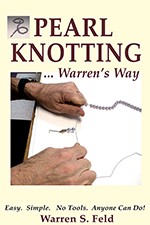
Sat, 10/25/2025, 9am-Noon, PEARL KNOTTING…WARREN’S WAY Middle Tenn Gem & Mineral Society, Donelson Fifty Forward Registration begins September 20 http://www.mtgms.org/schools.htm
Sun, 10/26/25, 1-4pm, DISCOVER PEARL KNOTTING Register through Hoamsy.com Class held at Cyanide Cider, 410 Woodbine St, Nashville, TN 37211
Sun, 11/16/25, 1-4pm, WIRE WRAPPED CABOCHON PENDANT Register through Hoamsy.com Class held at Cyanide Cider, 410 Woodbine St, Nashville, TN 37211
Sat, 11/22/25, 9am-Noon, WIRE WEAVING INTRO AND MAYAN PENDANT Middle Tenn Gem & Mineral Society, Donelson Fifty Forward Registration begins September 20 http://www.mtgms.org/schools.htm
Sat, 11/22/2025, 1-4pm, INTRO TO WIRE WORK and MIX N MATCH BRACELET Middle Tenn Gem & Mineral Society, Donelson Fifty Forward Registration begins September 20 http://www.mtgms.org/schools.htm
Sun, 12/7/25, 1-4pm, WIRE WEAVING AND MAYAN PENDANT Register through Hoamsy.com Class held at Cyanide Cider, 410 Woodbine St, Nashville, TN 37211
Sat, 12/13/25, 9am-Noon, WIRE WRAPPED CABOCHON PENDANT Middle Tenn Gem & Mineral Society, Donelson Fifty Forward Registration begins September 20 http://www.mtgms.org/schools.htm
Sat, 12/13/25, 1-4pm, WIRE WEAVE 2 and SUN PENDANTMiddle Tenn Gem & Mineral Society, Donelson Fifty Forward Registration begins September 20 http://www.mtgms.org/schools.htm
~~~~~~~~~~
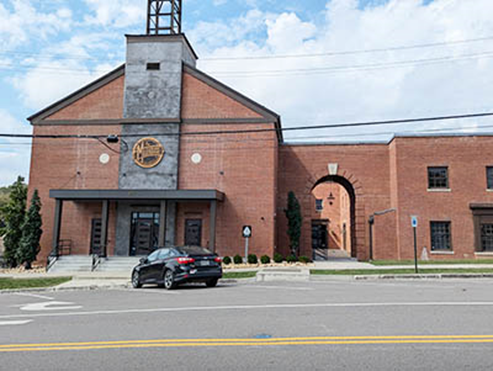
9/15/2025 – 10/15/2025 Solo Exhibit, Warren Feld Art JewelryAt Pryor Gallery, Columbia State Community College Humanities Building (Waymon L. Hickman Bldg), 1665 Hampshire Pike, Columbia, TN 38401 Exhibits are free and open to the public Gallery Hours: Monday – Thursday 8 a.m. to 7 p.m. Friday 8 a.m. to 4 p.m. My pieces will be showcased an this exhibit. In the works is a possible Seminar and a beading workshop.add 11/0 or delicas ad here
Promote your current projects, promotional copy, News & Views, videos, reels, tutorials, instructions, social media posts online in this newsletter and on our jewelry designers’ Patreon hub.
No deadlines! Opportunity available all the time. No fees.
But don’t wait to take advantage of this opportunity. This copyrighted material is published here with permission of the author(s) as noted, or with Land of Odds or Warren Feld Jewelry. All rights reserved.
~~~~~~~~~~ Repairs Stumping You? Let Me Take A Look I take in a lot of jewelry repairs. People either bring them to me in Columbia, TN, or, I pick them up and deliver them back in Nashville. I am in Nashville at least once a week. It’s been convenient for most people to meet me at Green Hills Mall. But if not, I can come to your workplace or your home. This is perfectly fine for me. My turnaround time typically is 3-4 weeks.
I do most repairs, but I do not do any soldering. I also do not repair watches. These are the kinds of repairs I do:
o Beaded jewelry o Pearl knotting, hand knotting o Size/Length adjustment o Re-stringing o Wire work/weave/wrap o Micro macrame o Broken clasp replacfement o Earring repair o Replace lost rhinestones or gemstones o Stone setting o Stretchy bracelet o Metal working which does not involve soldering o Bead woven jewelry and purses o Beaded clothing o Custom jewelry design
WARREN FELD JEWELRY (www.warrenfeldjewelry.com) Custom Design, Workshops, Video Tutorials, Webinars, Coaching, Kits, Group Activities, Repairs ~~~~~~~~~~~~~~~~~~~~~~~ Join our community of jewelry designers on myPatreon hub Be part of a community of jewelry designers who recognize that we have a different way of thinking and doing than other types of crafters or artists. One free downloadable Mini-Lesson of your choice for all new members! ~~~~~~~~~~~~~~~~~~~~~~~
Add your email address to my Warren Feld Jewelry emailing listhere.
Thanks for being here. I look forward to sharing more resources, tips, sources of inspiration and insights with you.Join A Community Of Jewelry Designers On MyPatreon Hub
Often Unexpected, Always Exciting: Your First Jewelry Sale
How many times have you heard a jewelry artist say…
I can’t bear to part with my pieces.
My jewelry is too precious to me.
I only give a few pieces that I make away as gifts to friends and family.
I’ve never sold anything.
Selling would take the fun out of it.
And then, while you are filling your cart in the grocery store, someone offers to buy a piece you are wearing, and the rest is history. A sale! Sold! They paid so much more than it cost you! Right off your wrist! Gotta make another! That was so fast! That was so easy!
My friend Connie used to make things only for friends. She always wore the things she made. At one point, she was repeatedly approached in various stores around town by women who wanted to buy the pieces around her neck.
At first, Connie quoted them, what she thought were outlandish prices. No one hesitated. Connie was awe-struck, but didn’t say No. I don’t know if she secretly wore a sign on her back — JEWELRY FOR SALE — or, somehow stuck out her cheek in such a way, as if asking to be kissed, that people came over to her, but she was getting quite good at attracting buyers. At TJMAX, at TARGET, at MACY’s, at DILLARDS, at SEARS, at KROGERS and PUBLIX. She kept upping her prices each time, and no one had yet to blink!
Jona had made many things before, but had never sold anything. Then…
Many people learn beadwork and jewelry-making in order to sell the pieces they make. Based both on the creation and development of my own jewelry design business, as well as teaching countless students over the past 35+ years about business and craft, I want to address what should be some of your key concerns and uncertainties. I want to share with you the kinds of things (specifically, a business mindset and confidence) it takes to start your own jewelry business, run it, anticipate risks and rewards, and lead it to a level of success you feel is right for you. I want to help you plan your road map.
I will explore answers to such questions as: How does someone get started marketing and selling their pieces? What business fundamentals need to be brought to the fore? How do you measure risk and return on investment? How does the creative person develop and maintain a passion for business? To what extent should business decisions affect artistic choices? What similar traits to successful jewelry designers do those in business share? How do you protect your intellectual property?
The major topics covered include,
1. Integrating Business With Design
2. Getting Started
3. Financial Management
4. Product Development, Creating Your Line, and Pricing
5. Marketing, Promotion, Branding
6. Selling
7. Professional Responsibilities and Strategic Planning
8. Professional Responsibilities and Gallery / Boutique Representation
9. Professional Responsibilities and Creating Your Necessary Written Documents
Developing yourself as a jewelry designer has several challenging moments. Learning. Recognizing. Getting Inspired. Creating. Organizing. Constructing. Managing. Presenting. Marketing. Selling. You want to maintain high expectations and goals for yourself, and see these all these challenging moments through.
Some challenging moments include the following:
1. Learning your craft and continually growing and developing within your profession
2. Recognizing how jewelry design goes beyond basic mechanics and aesthetics, thus, differs from craft and differs from art, and then learning and working accordingly.
3. Getting Inspired
4. Translating Inspiration into a design
5. Implementing that design both artistically and architecturally by finding that balance between beauty (must look good) and functionality (must wear well)
6. Organizing your work space and all your stuff
7. Managing a design process
8. Introducing your pieces publicly, and anticipating how others (wearer, viewer, seller, marketer, exhibitor, collector, teacher, student, for example) will desire your pieces, as well as judge your pieces as finished (parsimonious) and successful (resonant)
9. Infusing your pieces with a sense of yourself, your values, your aesthetics, your originality
10. Developing a fluency and flexibility when working with new materials, new techniques and technologies, and new design expectations, including well-established ideas about fix-it strategies when confronted with unfamiliar situations
11. Differentiating your jewelry and yourself from other jewelry designers
12. If selling your pieces, then linking up to and connecting with those who will market and buy your pieces
SO YOU WANT TO BE A JEWELRY DESIGNER Merging Your Voice With Form
So You Want To Be A Jewelry Designer reinterprets how to apply techniques and modify art theories from the Jewelry Designer’s perspective. To go beyond craft, the jewelry designer needs to become literate in this discipline called Jewelry Design. Literacy means understanding how to answer the question: Why do some pieces of jewelry draw your attention, and others do not? How to develop the authentic, creative self, someone who is fluent, flexible and original. How to gain the necessary design skills and be able to apply them, whether the situation is familiar or not.
Some Updates and Things Happening. (Please share this newsletter)
In this Issue: 1. Juried Art Services — You Should Be Registered Here! 2. To Keep People On Your Website, Follow These Tips 3. Extraordinary price increases on gold seed beads! +85%! 4. Film and photograph your design process, suggested once every hour! 5. Humanae — A pantone map of skin tones 6. Tips for balancing portfolios for retail and gallery shops vs. online sales 7. Is it jewelry or sculpture? 8. 3 Austrian crystal bead and rhinestone colors have been discontinued Some articles you may have missed Featured
Juried Art Services is a comprehensive online application and jurying system for art shows, galleries, and museums. We provide a seamless and efficient platform for managing your art show, gallery, or museum. We have been in business for over 20 years and have worked with some of the largest art shows in the world.
Here is a central place to create a “portfolio” for yourself, and find out about and submit applications to various art and craft shows. Each show has its own special requirements and fees, and this site structures each application accordingly.
VIDEO LINK Creating an application has never been easier. With Juried Art Services, you have tons of creative options for uploading and editing your artworks. Get started with this quick tutorial video on how to create your first application.
2. To keep people on your website, I suggest you follow these tips:
When your website gets ranked by search engines, one of the key things they measure is how long visitors who have clicked over to your site remain on your site. The longer you keep them there, the higher your rank.
To keep people on your website, improve readability & contrast:
Avoid light-colored text on light backgrounds — it reduces readability.
Use a background effect or contrast to make text stand out.
Increase font size for key text to ensure easy reading.
Keep design consistent — spacing and formatting should be uniform.
Prioritize clear, high-contrast text for a polished and professional look.
By enhancing contrast and legibility, visitors will have a better browsing experience.
Simplify your website’s navigation to improve user experience.
Shorten menu titles — use single words like “Teaching” instead of “Workshops & Classes.”
Group similar pages — place sales and classes together for logical flow.
Move secondary pages (About, Contact) to the right side of the menu.
Reduce menu clutter — only include essential categories to avoid overwhelming visitors.
Keep navigation intuitive so users can find what they need quickly.
A cleaner menu layout makes browsing effortless and keeps visitors engaged.
Showing visuals of your work/classes can help you sell more.
Show images of students making jewelry in workshops or displaying their finished pieces. Feature completed commissions to help potential clients imagine their own.
Capture behind-the-scenes moments of your creative process, from sketch to final piece. Include action shots of yourself making jewelry to add a personal and engaging touch.
Make the experience feel real so visitors can clearly see what they’ll gain.
By integrating more visuals, your site will feel more immersive and persuasive.
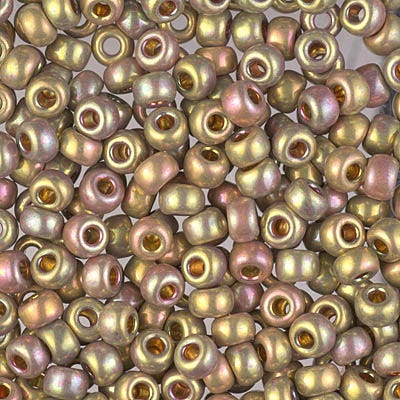
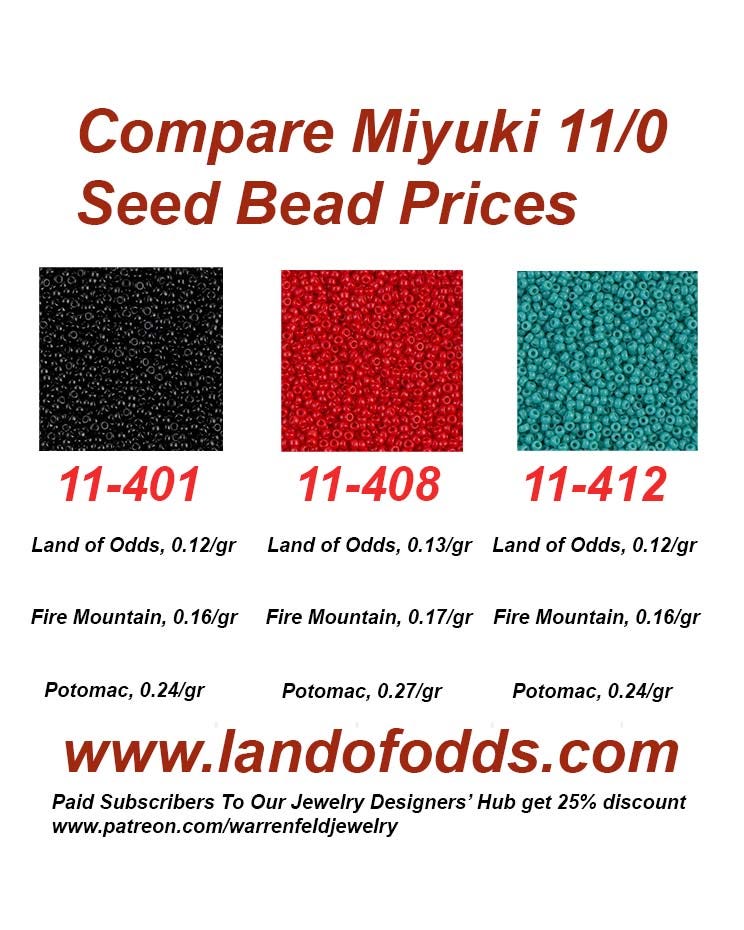
3. Price increases, some extraordinary (+85%) on Miyuki seed beads
First, expect at least 6% increase in prices on all Miyuki seed and delica beads.
Second, can be a 85% increase on beads with gold plating or with colors that use gold to make the colors
From the US distributor: :Over the last year and a bit, Miyuki has charged a surcharge on beads which contain gold. This means not just gold-plated beads, but any bead which has gold in the glass-making process. Gold is extra expensive right now, and the additional fee is to cover the materials cost for making those beads. The surcharge is currently hovering about 85% and has been in that vicinity for about a year.
Until now we have dragged our feet on re-ordering these items because the cost is almost doubled, but we’ve decided to simply re-price them because the cost doesn’t seem to be going down. If it does go down, we’ll redo our prices on these beads and you’ll be the first to know!
Here is the long list of items that are affected:”
4. Film and photograph your design process, I suggest once every hour!
Always have your cell phone handy.
Anticipate the kinds of image and video materials you might need for any marketing you will do once you have completed your project. It is important to recognize up front that “sharing your process” is one of the strongest marketing messages you can develop.
Do you forget to film/photograph your process often? Set an alarm.
I recommend filming yourself working once an hour (for about 5 seconds). If you get very into your work/forget, set an alarm or timer when you start.
You can decide whether you set just one, or several (if you plan on working for a while). For example: if you’ll be painting from 5 pm to 8 pm, set alarms at:
6:00 pm
7:00 pm
8:00 pm
This way you can fully focus on your work and still get the footage you need.
Store your images and videos in a place you can easily find them again after you finish your project.
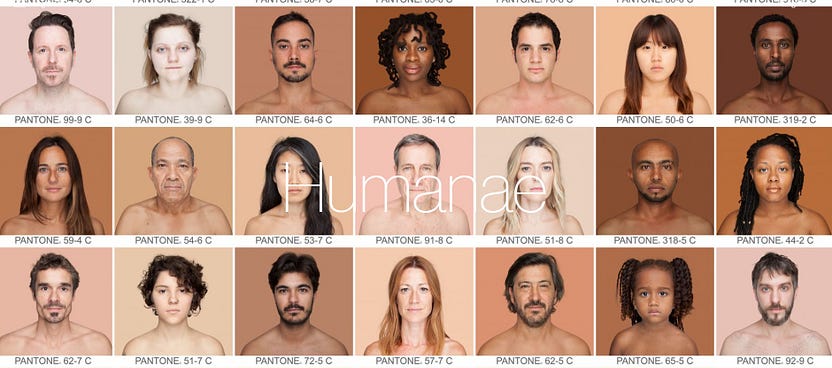
5. I found this extraordinary project called Humanae which is photographically documenting skin tones and relating each to pantone colors
Humanæ is a photographic work in progress by artist Angélica Dass, an unusually direct reflection on the color of the skin, attempting to document humanity’s true colors rather than the untrue labels “white”, “red”, “black” and “yellow” associated with race. It’s a project in constant evolution seeking to demonstrate that what defines the human being is its inescapably uniqueness and, therefore, its diversity. The background for each portrait is tinted with a color tone identical to a sample of 11 x 11 pixels taken from the nose of the subject and matched with the industrial pallet Pantone®, which, in its neutrality, calls into question the contradictions and stereotypes related to the race issue.
More than just faces and colors in the project there are almost 4,000 volunteers, with portraits made in 20 different countries and 36 different cities around the world, thanks to the support of cultural institutions, political subjects, governmental organizations and non-governmental organizations. The direct and personal dialogue with the public and the absolute spontaneity of participation are fundamental values of the project and connote it with a strong vein of activism.
Currently more than 4000 images exist in the project. They have been taken in 36 cities, in 20 different countries: Arteixo, Madrid, Barcelona, Getxo, Bilbao and Valencia (Spain), Paris (France), Bergen (Norway), Winterthur, Chiasso (Switzerland), Groningen, The Hague (Netherlands), Dublin (Ireland), London (UK), Tyumen (Russia), Gibellina and Vita (Italy), Vancouver, Montreal (Canada), New York, San Francisco, Gambier, Pittsburgh and Chicago (USA), Quito (Ecuador), Valparaíso (Chile), Sao Paulo and Rio de Janeiro (Brazil), Córdoba (Argentina), New Delhi (India), Daegu (South Korea) Wenzhou and Shanghai (China), Ciudad de México, Oaxaca (Mexico) and Addis Abeba (Ethiopia).
6. Tips for balancing portfolios for retail and gallery shops vs. online sales
To balance your website for store/gallery vs. online sales…
Use a digital portfolio to showcase your work professionally — galleries especially expect a polished presentation.
If adding an online store, ensure pricing matches what stores/galleries display to avoid conflicts.
Communicate openly with stores/galleries — let them know you prioritize selling through them and will refer clients back.
Focus on store/gallery relationships first — building online sales takes time, so establish a strong presence before investing heavily in ecommerce.
If you enable an online shop, manage it carefully and address concerns with transparency to maintain good store/gallery partnerships
You should correctly assume that potential clients will, after seeing your physical store/gallery representation, then go online to check you and your jewelry out as well
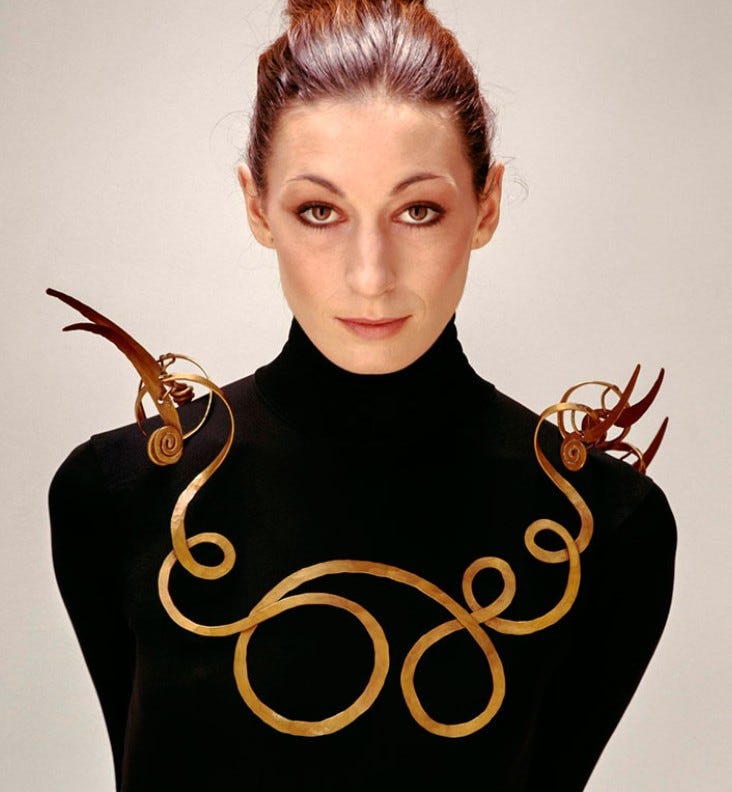
The question of whether jewelry is sculpture has been debated for over a century. The key distinction often comes down to context. An unknown sculptor attempting to position their jewelry as sculpture faces a challenge. Likewise, an unknown jeweler claiming to be a sculptor must overcome substantial hurdles.
However, when an artist deliberately blurs these lines, the results can be extraordinary. Many Patina Gallery exhibitions began as And & Both ideas — concepts that walked the lines of nuance and risked failure but ultimately thrived. Ivy Ross has built her career on this delicate balance. She consistently reminded me that the story must always support the idea.
Most people know my thinking: Jewelry is only art as it is worn. It is not sculpture.
8. 3 Austrian crystal bead and rhinestone colors have been discontinued
Swarovski has shared some unforeseen news regarding three colors in their crystal line:
Smoked Amber
Light Amber
Golden Topaz
Due to technical difficulties, they can no longer be produced and have been discontinued.
While Swarovski no longer distributes directly to the general public, they are the manufacturing source of distributors that handle their products. The distributor I use is call Star Bright.
WARREN FELD JEWELRY (www.warrenfeldjewelry.com) Custom Design, Workshops, Video Tutorials, Webinars, Coaching, Kits, Group Activities, Repairs ~~~~~~~~~~~~~~~~~~~~~~~ Join our community of jewelry designers on my Patreon hub Be part of a community of jewelry designers who recognize that we have a different way of thinking and doing than other types of crafters or artists. One free downloadable Mini-Lesson of your choice for all new members! ~~~~~~~~~~~~~~~~~~~~~~~
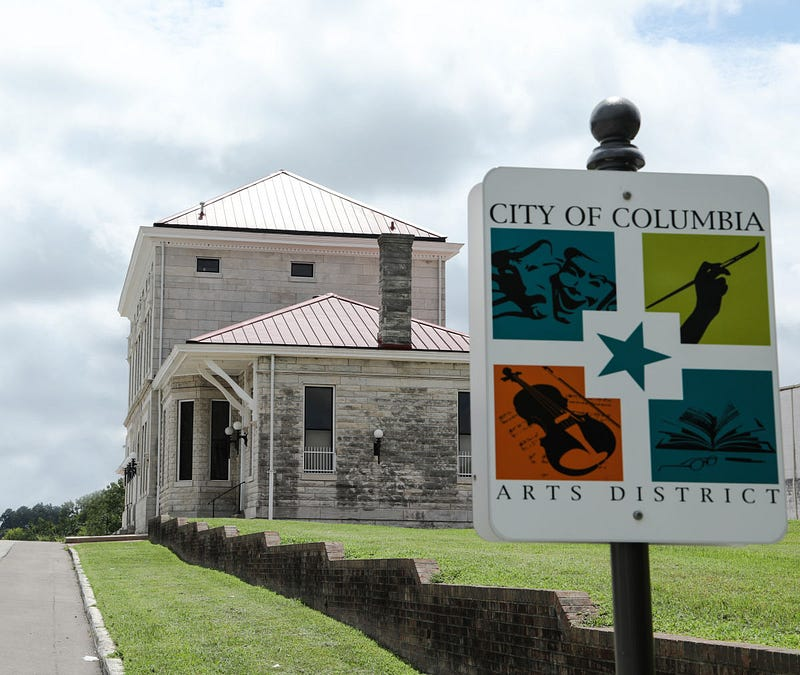
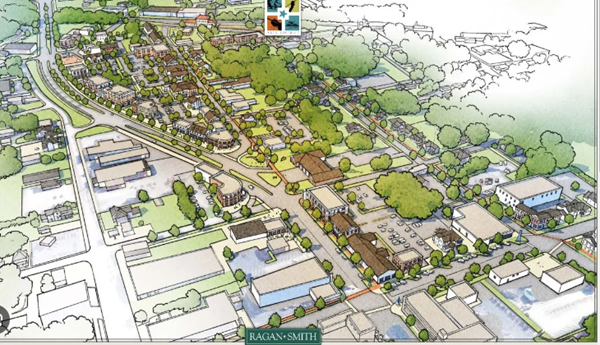
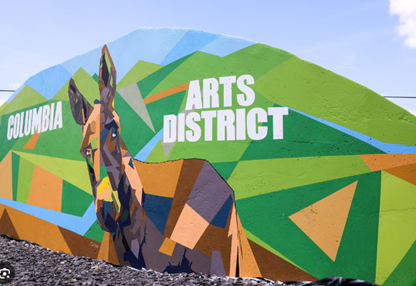
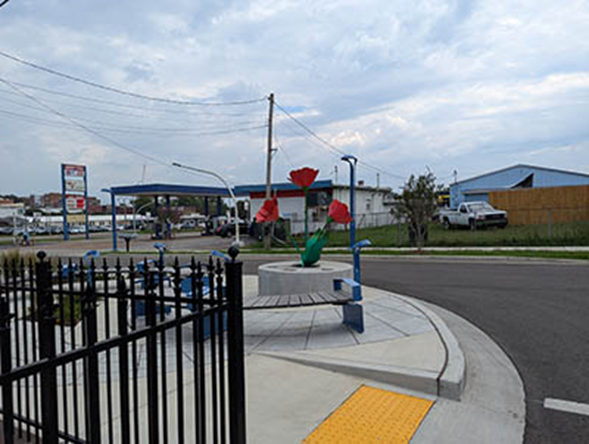
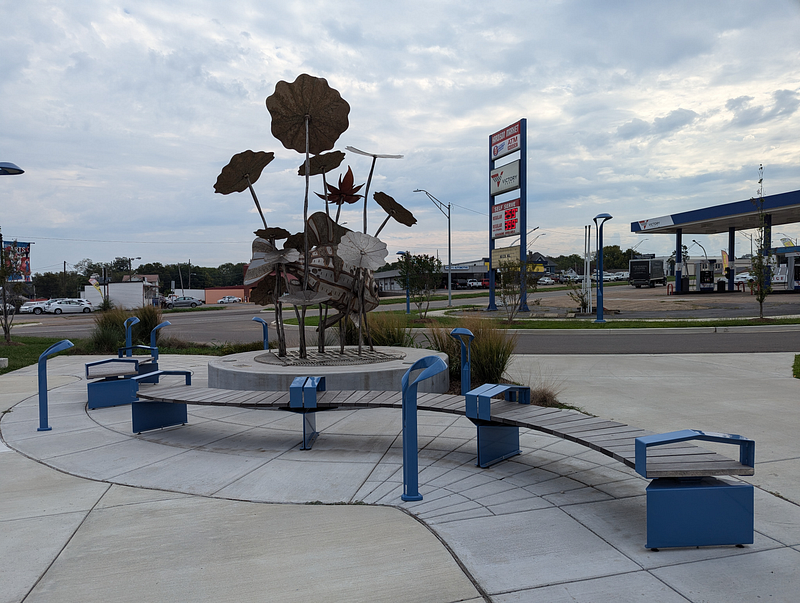
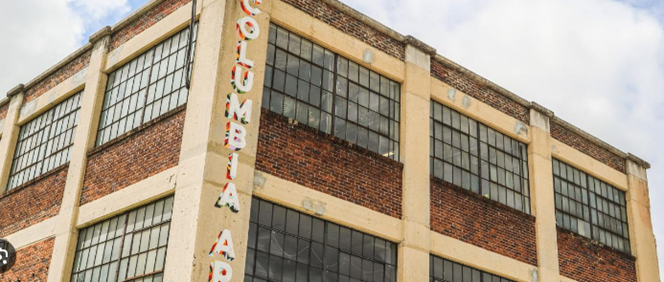
The Columbia ARTS DISTRICT (CAD) was created to provide a haven for artists to live and work. The CAD is located a few blocks from Downtown Columbia in the South Garden/High Street area. The City has established historic zoning overlays to protect historic and cultural assets that include distinct neighborhoods like the ARTS DISTRICT. The area currently comprises several blocks of old warehouses, old houses (some historically significant), mobile homes and manufactured homes, and vacant lots. One warehouse building was turned into a multi-story mix of artist studios, retail spaces, coffee house, some office space. There are some restaurants and specialty shops in the District, but not many. Columbia is a small town of about 45,000 residents, growing 2–3% annually, and is located about 45 miles south of Nashville.
My Interest In Creating A Visioning Plan For The ARTSWORKS ART DISTRICT
I am a relatively recent resident of Columbia, TN. I have an extensive background in city planning, city revitalization, art and design. The COLUMBIA ARTS DISTRICT area, about 1 square mile in size, and abutting the downtown, has excited me in so many ways, not least of which, because the idea to use the arts as a planning tool for community and economic development offers so many great possibilities.
The BIG question for me was whether you can create a community-based Arts District, where the focus and energy emerge from how the community interacts with and finds meaningful experiences within the space, rather than focusing on physical design per se.
My SECONDARY question was whether a District designed to bring artists to live, work and play together can remain competitively viable over time, or will the community either lose interest or will the area become so attractive that gentrification negates its original reason for being. Time will tell, … as will smart thinking, planning, and cooperative partnering.
My excitement comes from things like,
(1) Taking a proactive approach to planning for the arts, maximizing realistic and effective physical and social development, and minimizing unintended consequences, when making a space into a place.
(2) Promoting cooperative relationships among artists, planners, developers, educators, nonprofits, funding sources and the general public, leading to a greater sense of place, voicing a narrative for it, and celebrating it.
(3) Offering many possibilities for nontraditional engagement program and physical development and the community
(4) Focusing on the ‘arts’ (broadly defined) as a driver of community and economic development, perhaps generating new practices and ideas in urban planning, the arts and design, and thus elevating ideas about creative place-making
(5) Relying on a local framework to steer community and economic development, hopefully resulting in a more unique expression of the Columbia community
(6) Recognizing that the city has a strong commitment for developing the Arts District
(7) Having an early opportunity to create a strong vision for development, preventing some undesirable development outcomes.
The Arts As Defined By Columbia
Initially, Columbia Arts Council focused on 5:
· Visual Arts (painting, sculpture, applied arts, graphic arts)
· Theater
· Craft
· Music
· Writing
I suggested breaking out applied arts and graphic arts as their own discipline apart from visual arts.
I suggested adding:
· Fashion
· Interior Design
People pursue artistic and creative expression through a variety of outlets: formal theatrical performances, sculptures, paintings, and buildings; as well as the less formal arts, music and food festivals, celebrations and informal cultural gatherings, pickup bands, and crafts groups. Together, these formal and informal, tangible and intangible, professional and amateur artistic and cultural activities constitute a community’s cultural assets. These activities — which encompass a diverse set of locations, spaces, levels of professionalism and participation, products, events, consumers, creators, and critics — are essential to a community’s well-being, economic and cultural vitality, sense of identity, and heritage. (American Planning Association, 2011)
People participate in arts and culture at varying levels of skill and engagement. Participants include creators (from the professional actor to a child actor in a school play), consumers (from the audience member for an opera performance to the parent of the child in the school play), and supporters and critics (whether foundations, parents and school fund-raisers, or journalists).
Some create, while others listen to, watch, teach, critique, or learn a cultural activity, art form, or expression. Some are professional artists, designers, and inventors, while others engage informally in expressive activities or create innovative tools, relationships, or products.
The field as a whole can be represented within a framework that has four main aspects:
1. Degree of professionalism, (professional/formal à vocational/informal)
2. Type of product or activity, (tangible à intangible)
3. Locations and spaces, (specific purpose venue à non-arts venue)
4. Level of participation and involvement (creator à consumer) (American Planning Association, 2011)
What makes a great place? What keeps it great over a very long, sustained time?
These are questions we need to be asking ourselves as we translate visions of what can be into actual programs of community and economic development. This vision plan for the ARTSWORKS ARTS DISTRICT provides a lot of food for thought, some tools for clarifying options, and some suggestions for how to approach Placemaking over the next several years. It is an effort to help us collectively reinvent and reimagine what could be. Something more than attractive urban designs. Something distinctive from other cities and towns. Something with community and meaning and quality well-being, shaping how people come together, interact, share experiences and feel a special connection to this place we call the ARTSWORKS ARTS DISTRICT and this place we call Columbia.
Placemaking inspires people to collectively reimagine and reinvent public spaces as the heart of every community. Strengthening the connection between people and the places they share, placemaking refers to a collaborative process by which we can shape our public realm in order to maximize shared value. More than just promoting better urban design, placemaking facilitates creative patterns of use, paying particular attention to the physical, cultural, and social identities that define a place and support its ongoing evolution.
Great public spaces are those places where celebrations are held, social and economic exchanges occur, friends run into each other, and cultures mix. They are the “front porches” of our public institutions — libraries, field houses, schools — where we interact with each other and government. When these spaces work well, they serve as the stage for our public lives.
What makes some places succeed while others fail?
To be successful, places generally share the following four qualities:
1. They are accessible
2. People are engaged in activities there
3. The space is comfortable and has a good image
4. It is a sociable place: one where people meet each other and take people when they come to visit.
Access & Linkages
You can judge the accessibility of a place by its connections to its surroundings, both visual and physical. A successful public space is easy to get to and get through; it is visible both from a distance and up close. The edges of a space are important as well: For instance, a row of shops along a street is more interesting and generally safer to walk by than a blank wall or empty lot. Accessible spaces have a high parking turnover and, ideally, are convenient to public transit.
Activities
Activities can take many forms — one-off programs, ongoing programs, small number of participants to a large number of participants. The placemaking goal of each activity is that participants have a meaningful experience, and one they want to share with others.
Comfort & Image
Whether a space is comfortable and presents itself well — has a good image — is key to its success. Comfort includes perceptions about safety, cleanliness, and the availability of places to sit — the importance of giving people the choice to sit where they want is generally underestimated, and the availability of shade.
When it comes to accessibility, it isn’t simply enough to be able to get to a place. To fully enjoy a space, people must be able to navigate it and spend time there with dignity and confidence. Unfortunately, many spaces deliver a message of exclusion to their visitors.
Sociability
This is a difficult quality for a place to achieve, but once attained it becomes an unmistakable feature. When people see friends, meet and greet their neighbors, and feel comfortable interacting with strangers, they tend to feel a stronger sense of place or attachment to their community — and to the place that fosters these types of social activities.
Power of 10+
The idea behind this concept is that places thrive when users have a range of reasons (10+) to be there. These might include a place to sit, playgrounds to enjoy, art to touch, music to hear, food to eat, history to experience, and people to meet. Ideally, some of these activities will be unique to that particular place, reflecting the culture and history of the surrounding community. Local residents who use this space most regularly will be the best source of ideas for which uses will work best.
Some questions/concerns to consider when placemaking
Does the space function for people with special needs?
Providing shade, ways to cool off, or spots to take cover during a storm not only ensure that public spaces are usable in all weather, but also that they become trusted refuges in an era of climate crisis.
Accessible bathrooms
Regular maintenance of public spaces
The more activities that are going on at one time, and that people have an opportunity to participate in, the better
Good balance between men and women
People of different ages are using the space
The space is used throughout the day
A space that is used by both singles and people in groups is better than one that is just used by people alone because it means that there are places for people to sit with friends, there is more socializing, and it is more fun.
The ultimate determinant of a place’s success is how well it is managed.
Are people using the space or is it empty?
Are people in groups?
How many different types of activities are occurring — people walking, eating, playing baseball, chess, relaxing, reading?
Which parts of the space are used and which are not?
Are there choices of things to do?
Is there a management presence, or can you identify anyone who is in charge of the space?
Is this a place where you would choose to meet your friends? Are others meeting friends here or running into them?
Are people in groups? Are they talking with one another?
Do people seem to know each other by face or by name?
Do people bring their friends and relatives to see the place or do they point to one of its features with pride?
Are people smiling? Do people make eye contact with each other?
Do people use the place regularly and by choice?
Does a mix of ages and ethnic groups that generally reflect the community at large?
Do people tend to pick up litter when they see it?
Establishing An Arts Identity
Establishing an arts identity can take many directions. A vibrant arts scene no longer means a street lined with art galleries. It can include a broader segment of the creative community — theatre, music, writing, crafts, fashion, media arts, applied arts and graphic design, interior design. The specific arts identity for any community is shaped by those arts for which a community has a special affinity for, as well as the types of assets available to support those arts.
Depending upon the values and decision making criteria put into action today, the area can evolve, over time, towards one of 4 ways:
(1) Museum: people come to look, but often do not linger or return to look again; the art is static
(2) Amusement Park: people come to play (think lower Broadway in Nashville); the art is ignored
(3) Gentrified and Residential: people come to live and the area becomes somewhat insular, with the importance of the arts often diminished to the role of ornamentation
(4) Community organized around the idea of “art”: people come from near and far to interact with the arts as a way of enhancing a meaningful and memorable sense of self and community
I prefer option #4, and that is my bias throughout this visioning plan.
Development takes time and patience. It takes vision and values. Development with little to no or poor planning is a waste of time, and typically fails in its quest to realize any set of vision and values. Decisions made today will impact what the area looks like 25–50 years from now.
Columbia’s Art Culture
Columbia’s arts, culture, and music scene add flavor to the region, cultivated with the support of:
· Non-profit arts organizations, including multiple community theater groups
Columbia nightlife highlights the growing music culture as more artists showcase their talents at local restaurants and local venues.
Columbia Arts Council
COLUMBIA ARTS COUNCIL Authority: Promotes Arts in the Community Appointed by the Mayor Confirmed by Council Terms: Three Years Composition: Nine Members Involved in the Arts
Advised by Tourism & Marketing Director Role in Planning Process:
Final Decision on Appeals of Zoning Administrator’s Determination of Arts-Related Uses in the Arts District Overlay
City Specified Guiding Essential Values
Columbia has set a development goal to make an area adjacent to the downtown, in this plan referred to as the ARTSWORKS ARTS DISTRICT, into a place where the community organizes around the arts (broadly defined). These are the guiding essential values toward that end.
· The Arts
· Viability
· Connection and Flow
· Vitality
· Interactivity
· Diversification and Flexibility
· Steadfast
· Neighborly
· Leverage
· Sustainability
· The Arts: Emphasize the arts as the ARTSWORKS ART DISTRICT’s main theme. The arts are to be broadly defined as inclusive of visual artists, theater, crafts, writers, and musicians. The Arts are to be represented in a variety of ways, from business development, to exhibitions, to demonstrations, to public art, to the structuring of meaningful public experiences, to education, to physical infrastructure planning, to one-off as well as ongoing programs and events.
· Viability: Build, attract and retain creative talent. Encourage additional development of arts-related uses that complement the district’s theme. This will enhance the life and energy of the city, contribute to the long-term viability and success of businesses in the ARTSWORKS ARTS DISTRICT, and help the city attract new types of businesses which will diversify its commercial base.
· Connection and Flow: Columbia provides options for safe, efficient and accessible movement throughout the ARTSWORKS ARTS DISTRICT, including pedestrian walkways, proposed INTERACTIVE ARTS TRAILS (one by auto, the other by foot), attention to areas of potential conflict between cars, bicycles and pedestrians. The ARTSWORKS ARTS DISTRICT should be easily navigable by all.
· Vitality: Columbia ARTSWORKS ARTS DISTRICT is a safe community with opportunities for the personal and community expression through the arts (broadly defined), and the setting and maintaining of high standards for the quality of the built environment, the commercial and residential environment. Retain many of The District’s architectural features and landscape. Enable affordable residential and commercial spaces for artists and art-related businesses. Ensure many comforts throughout, such as seating and shading. Designed for lingering.
· Interactivity: Engage visitors in ways traditional artwork does not. Encourage community participation and meaningful interaction and immersion in some form with the art they are seeing, hearing, touching, smelling, experiencing. The ARTSWORKS ARTS DISTRICT should be seen by the public as a sociable place, where they want to come to meet others, are comfortable with strangers, share meaningful experiences, and where they want to bring their friends and family to see and experience.
· Diversification and Flexibility: The ARTSWORKS ARTS DISTRICT will include a mix of residential, restaurant, retail, art, educational, other commercial, hotel/motel/conference/exhibition/B&B /inn infrastructure. The ARTSWORKS ARTS DISTRICT will be a place for programs, exhibits, demonstrations, special events, educational and training related to visual and sculptural art, craft, theatre, music and writing. The ARTSWORKS ARTS DISTRICT will host several flexible-use spaces.
· Steadfast: The ARTSWORKS ARTS DISTRICT is viable as a livable, workable, and commercial area of Columbia, where development is economically sustainable and pertinent to both community and economic development, new development is cohesive and compatible, that the distribution of new development is balanced and flows organically throughout the entire delineated area, and the unique character of this neighborhood develops as vibrant, interactive and community based. Tensions between historical preservation and land use and business development are resolved.
· Neighborly: Columbia ARTSWORKS ARTS DISTRICT is a place where all residents feel welcome and included in community decisions.
· Leverage: Where it makes sense, Columbia should use a leverage approach to encourage developments and programs. Columbia can leverage money, power, position, and authority. Columbia might offer an incentive where every private dollar raised would be matched with one dollar of city funds. Columbia might foster (and mentor) public/private partnerships. Columbia might use its location, population and industrial mix to its advantage. Columbia might develop additional criteria and planning/development standards and codes to the advantage of the ARTSWORKS ARTS DISTRICT and leading development in line with values, goals and objectives. Columbia might rely on volunteers to accomplish many of its development and program goals.
· Sustainability: The ARTSWORKS ARTS DISTRICT over time should become less and less dependent on city funds.
Concerns
It is important to try and anticipate what kinds of things can go right, and what kinds of things can go wrong, as the ARTSWORKS ARTS DISTRICT develops. Will initial investments prove overly optimistic about their return? Will the area generate a lot of excitement at first, but not be able to sustain that excitement over time? Will “art” remain the core organizing principle for the area, or be replaced by unrelated commercial and/or residential development?
It is also important to try and anticipate how Columbia’s ARTSWORKS ARTS DISTRICT will continue to provide stimulus to sense of community and fiscal viability, and how it might not. Will visitors to the district be motivated to stay long enough to spend money there? Will they return and visit again? Will they have a memorable experience that they want to share with others?
It is also important to try and anticipate how Columbia’s ARTSWORKS ARTS DISTRICT can create and retain a competitive advantage over similar or competing areas in neighboring towns, in other towns in Tennessee and in other towns throughout the United States. If every town takes an interior design approach (Museum) with placement of murals and sculptures, how will Columbia differentiate itself?
What things will keep the ARTSWORKS ARTS DISTRICT going over the next 10–50 years as it develops, and what things will prove to be impediments?
Goals and Objectives
COLUMBIA ARTSWORKS ARTS DISTRICT GOALS: A community organized around creative talent and businesses can improve…
1.THE ARTSWORKS DEVELOPMENT OPPORTUNITY, p. 2 2.ESSENTIAL GUIDING VALUES, p. 8 3.PLACEMAKING, p. 11 4.WHAT IS INTERACTIVE ART, p. 15 5.CONCERNS, p. 17 6.THE FUNCTIONAL PRIMARY NEEDS AND SECONDARY EFFECTS OF THE VARIOUS ARTS, p. 21 7.GOALS AND OBJECTIVES, p. 23 8.LAND USE AND PROGRAM APPROACHES AND POSSIBILITIES, p. 29 Primary strategies and tools towns resort to, p. 30 9.EXAMPLES OF TYPES OF PROGRAM ACTIVITIES, p. 39 What Is An Arts Trail, p. 40 9a. Visual Arts, p. 45 9b. Theatre, p. 50 9c. Outdoor Stage Options, p. 55 9d. Crafts, p. 60 9e. Music, p. 65 9f. Writing, p. 69 9g. Applied Arts and Graphic Arts, p. 73 9h. Fashion, p. 77 9i. Interior Design, p. 79 9j. Interdisciplinary Ideas, p. 82 10.DESCRIPTION OF AREA, p. 83 With Suggestions For High Priority Land Uses Development, p. 85 How a CONFERENCE HOTEL differs from a CONVENTION HOTEL, p. 98 11.IMPLEMENTATION PROPOSALS AND RECOMMENDATIONS, p. 100 Creating Partners, p. 117 Organizing Volunteers, p. 118 12.FUNDING POSSIBILITIES, p. 119 In-state Tennessee funds, p. 120 Funding methods used to develop arts districts across America, p. 122 Foundation and grant funds in Tennessee which may be used for the arts, p. 124 Funding and grant programs for the arts and artists, p. 125 13.ORGANIZATIONAL RESPONSIBILITIES, p. 128 14.STANDARDS & CRITERIA, p. 130 15.CASE STUDIES, p.138
I have set up a space for our community of jewelry designers — Warren Feld Jewelry’s PATREON HUB — to learn, to interact, and to provide and/or get feedback on what they are working on. Please join here.
Be part of a community of jewelry designers who recognize that we have a different way of thinking and doing than other types of crafters or artists. Access more articles and other resources not included in my medium.com site.
Before the pandemic, I was trying to arrange some Enrichment Travel tours. One was to Rome. This was part of the itinerary. If any group wants me to lead a Jewelry Discovery Tour to Rome or elsewhere, I would be happy to talk with you about this. — Warren@warrenfeldjewelry.com
Some favorite sites and studios in Instanbul:1. Topkapi Museum, Treasury Section Guided Tour
Once the palace of the Sultans of the Ottoman Empire, Topkapi is a vast treasury of Islamic culture, jewelry, costumes, science and weaponry. This tour is of the Treasury section (7 Halls of Exhibits) of the Topkapi Palace Museum (3rd courtyard) where you will find masterpieces of Turkish art of jewelry from different centuries and exquisite creations from the Far East, India and Europe.(2 hours guided tour of Treasury Section; 1–2 hours free time for guests to wander other parts of museum on their own.) Open every day except Tues, 9am-4:45pm (til 6:45 in april- october) 2015: most of Treasury Section is under restoration and is closed; check back for when work is finished)
WALKING TOUR OF ARTISAN JEWELRY GALLERIES IN NISANTASI / TESVIKIYE AREA Nisantasi / Tesvikiye is one of the best shopping districts of Istanbul. It contains designer label stores, very nice restaurants and cafes, a beautiful mall, and a few outstanding hotels. It is home to several galleries showcasing the best of Turkish jewelry artists and artisan jewelry. The store hours in this district are typically 11–7pm Tuesday through Saturday. Need to verify Monday and Sunday hours.
Urart (abdi ipekci Cad. 18/1)
One of Turkey’s most established jewelry companies, Urart makes re-creations, and also chic interpretations, of ancient Anatolian designs and motifs, Hittite symbols of noblesse and glory, the arabesques of Islamic art speaking to the infinity, Seljuk tiles echoing the dreams of the Silk Road or fluid objects of modern life… Design commits to matter, not only the striking form but also the wisdom that abides at the heart of a culture.
İn her first years, Zeynep Erol was mainly inspired by nature and created forms with her own modern interpretation. İn later years however, her designs have become more geometrical. Zeynep Erol’s Jewelry reflects her spiritual inner world, affections, relations, feelings, desires and change in the philosophy of life. The main materials used by Zeynep Erol in creating her pieces are; green, white and red gold (18k) together with silver (950). The selection of the remaining materials and the precious stones are chosen differently for each particular theme she wants to get across. A wide range of materials such as coconut shells, pearls, brilliants, sapphire, ruby, emeralds, quartz, glass, rose cut and uncut diamonds, sandalwood and feathers are used by her as necessary.
Based in Istanbul, jeweller and sculptor Aida Bergsen creates jewellery with different themes that reflect traces of her hometown and its multi-layered cultural fibre. She Draws inspiration mainly from mythological heroes, organic forms and the human anatomy. Each of her wearable sculptures are meticulously crafted in wax then transformed into timeless jewels using traditional techniques.”I try to re-inerprate traditional crafts and skills in jewellery making in order to create a more contemporary approach. I like to have a play on the contrast between light and shadow as I believe it is key in capturing form at a deeper level.”Aida
Bergsen was awarded with the “étoile de mode” at BIJHORCA in Paris and she was named the first runner- up for the very prestigious Couture Show Las Vegas in 2011 and 2014.
ECNP Gallery is a contemporary jewelry gallery showing the designs and collections of Ela Cindoruk and Nazan Pak. Partners since 1989, Ela and Nazan’s designs and creative process have reflected their philosophy of ‘less is more’. The duo have participated in numerous fairs in Turkey and abroad; their works can be found in many museum shops and galleries. Ela has received the 2012 Red Rot Design Award. Same year, the creative duo was awarded 2012 Jewelry Designer of the Year Award of Elle Style Awards. On September 2014, the designers opened their new showroom and studio, on the 21st year work anniversary. The showroom also has a gallery under its roof, Ela and Nazan’s a long time dream, a reflection of their commitment to design and aesthetic and their ambition to this gallery hosts design exhibits and aims at becoming a meeting point for the design/art world.
SODA, founded in 2010, focuses on contemporary trends in art, particularly of jewelry artists. They are interested in showcasing the use of new materials and design concepts. Some permanent artist representations as well as rotating exhbitis.
7. Alef(Tesvikiye Mh, Haci Emin Efendi Sokak, No:4)
This goldsmith adapts classical goldsmith principles to contemporary techniques and designs. Alef’s founder, jewelry designer Yeşim Yüksek,
BoyBeyi is a family-run business that has been around for more than 100 years, their collection features many traditional rose-cut diamonds, as well as modern and colorful pieces, all inspired by the Turkish culture.
WALKING TOUR OF JEWELRY GALLERIES, JEWELRY AND BEAD SHOPS IN AND NEAR THE GRAND BAZAAR
This walking tour takes you in and around the Grand Bazaar, discovering jewelry galleries displaying works by local artists, as well as a myriad of stores in the Grand Bazaar which sell jewelry, beads and beading supplies.
Tiara(yavuz Sinan mah., rakip gumus pala cad. No; 69)
Antique jewelry, award-winning designs, modern designs that reflect trends in the world, some might find at Tiara Jewelry … Byzantine, Roman and Ottoman cultures, inspired by the collections, since the ancient civilizations in history has produced reflections of jewelry. Traditional hand-made items by craftsmen in the production of valuable, native jewelry lovers to win the admiration of the foreign guests
Widely considered to be one of Istanbul’s top jewellers, with several locations throughout the city. The cuffs are studded with precious stones, the necklaces are vintage-inspired, and the gold rings are topped with enormous yellow diamonds. The Bazaar outpost is Kafkas’ first store, and you’ll often find the owners presiding behind the glittering displays.
Sevan Bıçakçı has started his journey as a jeweler when he was only 12 years old as an intern in Hovsep Çatak’s workshop. His first personal collection that he created in 2002 was inspired by the historical Grand Bazaar — Sultanahmet area where he spends a considerable part of his daily life. Since then his unique designs that require intensive craftsmanship have been attracting the attention of collectors as well as some distinguished stores.
4. Walk up Nuruosmaniye Caddessi Past the heart of jewelry and bead stores in the Grand Bazaar
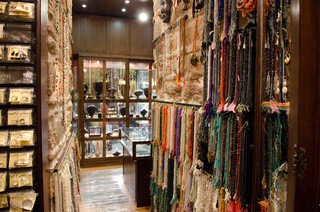
There are piles and piles of antique rings, bracelets, necklaces, and earrings from Central Asia, as well as walls covered in strands of colorful beads made out of precious and semiprecious stones.
OPTIONAL: 3 block side trip to http://www.haciburhan.com) aka Emin Bead Company, Sterling Silver Handcrafted Turkish Beads. Sell different silver jewelry, beads and accessories for silver jewelry. Wholesale. Eminsinan Mah. Yeniceriler Cad. Evkaf Sok. No: 15 (Formerly 9) Cemberlitas, Fatih (verify store hours)
5. Angel Old Jewellery (kiliccilar sok., cuhaci han No: 36)
When you’re visiting this tiny, poorly lit (the blindingly bright interior doesn’t do their products any justice) store, you will be transformed into a museum where you can purchase anything you want from a collection of princess-worthy jewelry. From tiaras to necklaces, brooches to bracelets, these elegant pieces are bedecked with intricate, precious stones like diamonds. This store has both antique pieces, as well as new jewelry that looks vintage due to a special ageing method they use.
In the Grand Bazaar’s Cevahir Bedestani, Bagus sells the proprietor’s own reasonably priced collection of handmade jewelry made with silver and semiprecious stones as well as intriguing pieces imported from countries including India, Nepal, Thailand, and Indonesia.
Before the pandemic, I was trying to arrange some Enrichment Travel tours. One was to Rome. This was part of the itinerary. If any group wants me to lead a Jewelry Discovery Tour to Rome or elsewhere, I would be happy to talk with you about this.
ROME 1. JEWELRY GALLERIES WALKING TOUR, ROME. There are several stores/galleries specializing in artisan jewelry, with both some very famous local jewelry designers, as well as some less known between the Piazza di Spagna (Spanish Steps) and Piazza del Orologi. This is a 1.25 mile (2.1km) leisurely jewelry shopping tour along ancient walking streets in the heart of historic Rome, where we discover the works of local jewelry artisans. (5 hour walking tour with dinner break; begin at 3pm (any day except Monday) when these shops are most likely to be open. Typical hours: open 10-1:30pm and 3:30-7:30pm).
Damiani, via condotti 84 (All Damiani collection jewels are exclusive and unique creations, combining the allure of Italian jewelry with the unmistakable, always modern and fashionable Damiani taste.)
4. Melis Massimo Maria, via dell’Orso 57 (ancient techniques reproduced in gold)
5. Studio Giorelleria R. Quattrocolo, via della Scrofa 54 (both antique jewelry and jewelry produced in their own workshop studio, including their line of micro-mosaics)
6. Alternatives, via della Chiesa Nuova 10 (Specializes in contemporary. Avant guard jewelry and is dedicated to the promotion of both newcomers and internationally established artists from all over the world)
7. Del Fina Delettrez, via Governo Vecchio 67 (Delfina Delettrez Fendi is a designer and jeweller based in Rome. Original use of figurative surrealism and natural iconography including hands, eyes, bees, and lips.)
~~~~~~~~~~~~~~~~~~~~~~~~~~
ROME 2. SHOPPING TRIP TO ARTISAN MARKET IN ROME. Visit to Mercato Monti, 30+ artisans selling fashions, jewelry and accessories, first 3 Sundays and last Saturday of the month, 8am-8pm, inside exhibit hall of Palatino Hotel, via Leonina 46. (4 hours)
If we’re to cope with our beading addiction, we may have to figure out, at least part of the way, how to bead in a car. We’re not talking water beading on the car when it gets wet. We are talking about taking beads and stringing material and clasps and all those other little pieces, and making jewelry, while traveling in a car. As the passenger. Not the driver. Or, I think not the driver. Addictions can be very powerful.
So, this all begs the question: How DO you bead in a car?
Most people say, “Don’t!”
Or, “Only if the light is Red!”
But others say it is possible under certain circumstances.
Bonnie’s Advice:
Put two pillows on your lap, and wedge them between you and the dash board, to create a type of table and shock absorber.
Use a “lap desk” that has ridges around it. Lay fleece on it.
If also using dishes or containers, put fleece in each one, as well. The fleece “holds the beads”. Regular material does not work.
The pillows absorb a lot of the bumps.
Don’t put too many beads out at a time.
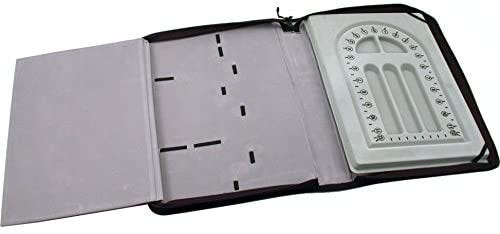
For bead stringing, use long bracelet gift boxes, or something with a deep groove in it.
You can also take a piece of fleece and put it OVER your beadwork as you’re working. Or you can put your beadwork into a ziplock sandwich bag, and work on it at the opening of the bag.
Vera’s Advice:
Put beads in a fleece-lined Frisbee.
Have a towel folded up on you on the other side of the console to cushion the frisbee, so it doesn’t move.
Kathleen’s Advice: As the passenger, for bead crochet: Real easy. Use a tray lined with fleece. Pray to God you don’t hit bumps and stuff.
Pullencreek:
It is not easy beading in a car as a passenger but it can be done if you are persistent and determined. I use a shoebox lid with soft suede underneath my beadwork but it is difficult to thread while riding down the road.
Satine: Definitely NOPT while you are driving! LOL
I’ve tried beading in a car. First off, take a lot, a lot, a lot of extra beads, unless you want to spend most of your trip trying to pick them up off the floor, under the seats, in the water cup holders, in fact, they fly everywhere. Don’t bother. Just bring a lot of beads.
Learn how to shift your hands in sequence and harmony with bumps. You let them move up and back down at the same time, and with the same rhythm as your car goes up, and then back down. If one arm moves at a different rate, or to one side or the other, instead of straight up and down, it can be all over. You have to start again. And if both arms move too fast or too slow, OOPS, you have to start again.
A few times, I tried to incorporate a lot of double-sided tape and some velcro to keep things in place. Especially on those side roads. They are a killer. Doesn’t work as good as shifting your body up and down in sync with the car over it goes over humps and bumps and pot holes and changes from asphalt to concrete.
Be sure to be stern with the driver. You cannot have them hollering at you to stop. Or laughing at you. Or giving you directions. They need to be quiet.
Don’t work on major, massive projects. Keep things simple. Do things in very, very small steps. And for God’s sake, don’t worry about perfection.
You might first practice with make-up. See if you can put on lipstick and mascara and face powder while traveling in a car. If you master that, making jewelry won’t seem so hard.
But, if you’re OCD, and can’t stand things being out of place, don’t even think about bringing your beads and beading supplies into your car!
Most beaders like to bring their beads wherever they go. Lest they end up in some jail charged with terrorism, today’s air traveling presents special challenges for beading on a plane.
While the rules for what you can and what you cannot bring on a plane seem to vary frequently, you can be sure that scissors, crochet hooks, knitting needles, and many hardware tools, will tend to get you pulled over for a major search, and maybe a major loss of these as well.
Dental floss containers are good substitutes for scissors. And they hold your bobbin of thread in a good, tight way, as well. Supposedly, if your scissors are blunt-ended, they are OK.
Circular knitting needles are usually acceptable. Straight needles made of wood, plastic, or bamboo stand a better chance than metal ones.
Bamboo crochet hooks won’t get taken up.
Keep your beads tightly packaged, and your projects small. You don’t want your beads flying all over the plane. And the seats and tray tables are tight and small.
In case your stuff gets confiscated, bring with you a stamped, self-addressed envelop, so you can have these mailed back to you, instead of tossed in the garbage.
Try to get an EXIT row — more leg room.
Soft tackle boxes make excellent carry-on luggage.
You may want to ship your heavy duty tools and materials to your destination ahead of time, instead of playing the odds of bringing them onto a plane.