





Untitled Docum

Be Dazzled Beads and
10am-5pm Sat |

For more
information, Click Here:
 Learn To Bead…At Land of Odds


Powered by WebRing.
|
Posted by learntobead on August 20, 2014
Untitled Docum
Be Dazzled Beads and
10am-5pm Sat |
For more
information, Click Here:
Posted in beadwork, jewelry design | Leave a Comment »
Posted by learntobead on April 25, 2014
PROMOTIONAL DISCOUNT
Two Business of Craft Tutorials
Thurs 4/24 and Fri 4/25 only
I enjoy teaching about the business of craft. Over the past 25 years, I’ve learned many insights about creating, marketing and selling jewelry. Two of my video tutorials – “SO YOU WANT TO DO CRAFT SHOWS” and “PRICING AND SELLING YOUR JEWELRY” are available on the http://www.CraftArtEdu.com website.
CraftArtEdu.com is running a two-day – THURS, 4/24 and FRI, 4/25 only — special discount on these video tutorials, which you might take advantage of. I’ve appended their promotional announcement below.
Warren
Ah, summer. It’s a time for county fairs, music and craft festivals! If you’ve ever considered selling your jewelry or other handmade items in local shows and venues, you know it’s a significant investment of both your time and money. In this email, you’ll find two classes from Warren Feld that can help you avoid some costly mistakes and find success! Warren has over 20 years of selling experience – and he shares his hard-won lessons with you. We’re also featuring a few classes with projects that just might be fun to make and sell! All classes are at Super Deals (through Friday!) Enjoy! Donna Kato Founder, CraftArtEdu.com
So You Want to Do Craft Shows with Warren Feld
You can make good money… IF you know what you’re doing. Warren shares his years of valuable experience and business expertise in the form of sixteen in-depth, approachable lessons so you can maximize your chances of success! Jam-packed with practical, actionable information, Warren’s lessons cover everything involved in running a successful and profitable show including how to:
Warren includes lots of advice and helpful resource links, too. All you need to provide is a pencil, some paper, a calculator and your enthusiasm for running a successful, profitable craft show! Preview and Purchase Warren’s Class All Levels | $30 | $24 through Friday!
Pricing and Selling Your Jewelry with Warren Feld
Can you make money by selling your jewelry? Yes, you can! Warren has years of experience selling jewelry at craft fairs, flea markets, on consignment, in galleries and eventually in his own store and online. In this class, he shares words of advice and everything he knows about the essential key to success: Smart Pricing! Preview and Purchase Warren’s Class! All Levels | $15 | $12 through Friday!“This class is worth its weight in gold. The information is presented in a clear and thorough manner. Warren shares his extensive knowledge in a very easy to understand format.” ~ Mary C
Add To Cart! These Bargains End Friday!Special Prices on These Classes Expire Midnight CT, Friday, April 25, 2014
Posted in bead weaving, beadwork, business of craft, jewelry making | Tagged: bazaars, craft shows, flea markets, handmade jewelry, home shows, pricing jewelry, selling jewelry | Leave a Comment »
Posted by learntobead on April 12, 2014
ORIENTATION
“Knowing what to know”
http://www.landofodds.com/store/kitsorientation.htm
There were always beaders. There were always jewelry makers. But if you wanted to gain an understanding of the beads and jewelry findings and stringing materials and tools, their qualities, and what happens to them when they age, you would need to start with a little bit of the history of beads and jewelry making. And then progress into some more in-depth information about these materials, how you choose which ones to use, and what happens to all this stuff over time.
Only in this way, would you be able to prepare yourself for the judgments and trade-offs and choices you will need to make as a jewelry designer. Choices about How? And When? And What? to use and not to use, given your particular project, your design goals, …(and if you’re selling your pieces, your marketing goals, as well). Moreover, how do you know how to assemble and link everything up into a finished piece?
But often in this world, you don’t know where to start. You don’t necessarily know where to find answers, or whose answers to trust.
QUESTION FOR GROUP:
When you began to make jewelry and bead, how did you know what to know?
How did you initially get an Orientation?
More on Orientation….
I’ve posted an extensive series (18 videos, 5 ½ hours worth of materials) of Orientation information on the Land of Odds website for you to take advantage of.
http://www.landofodds.com/store/kitsorientation.htm
These are also posted on YouTube.
Continuing from an article I wrote….
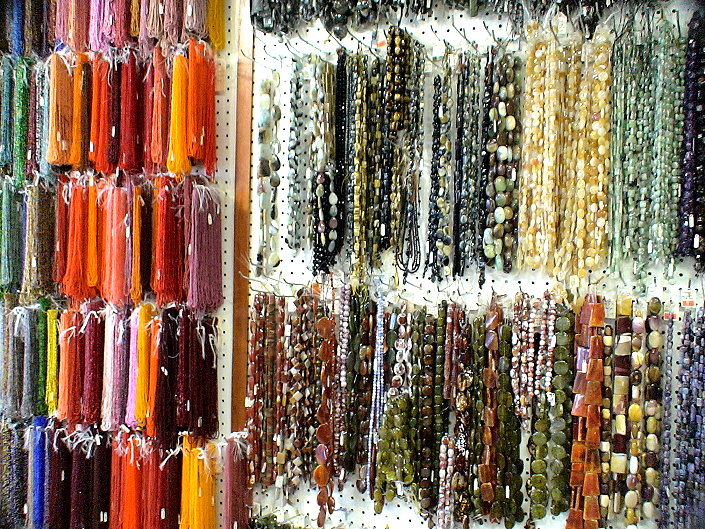
You need to prepare yourself for the multi-faceted world of beading and jewelry. It’s all about choices. You need an Orientation to what you need to know, and to the kinds of choices you will need to make. The world of beads can often be a jungle, dense with colors, shapes, and styles, intermingled irrationally, spilled relentlessly, collapsing around you with dumps and crashes and screeches and rings. Your eyes become useless in this heart of darkness. The presence of so many beads and so many strangely shaped and curiously articulated metal pieces may make the idea of creating jewelry and beadwork utterly meaningless. At least for the moment.
But you can sense something more. It’s tactile. It’s visual. It has some kind of taste and smell which steers you. It’s orienting. It seems full of significance. And in this dark silence – so noisy with details, so hushed with confusion – you realize why it’s important that you need to know a lot of things.
– You need to know how to step around quality differences among glass beads made in the Czech Republic, in Japan, in China and in India. How long will these beads last? Will they break? If they chip, what color will they be on the inside? Is the patterning in the glass a coating, a decal or some artistic placement of shards and stringers of glass? How sharp are the holes? How consistent are the beads from bead to bead on the strand?
– You need to know when to demand 14KT gold fused to brass (gold-filled), or 14KT gold plate over silver (vermeil), or Hamilton Gold Plate over brass. How long does the shine and color last? Do these beads and pieces break or crumble or bend or dent?
– You need to know how what came before you will be an important influence on you today. How have the Oglala Sioux, the Pope, Zulu tribes, the French, Italian, Czech, Dutch, African, the shoe and upholstery industries, and North American Indians affected beads and jewelry today?
Most people don’t orient themselves when they get started. They either don’t see the need, or don’t think they have the time, or think there’s not that much to learn about. Anyone can put some beads on a string and make themselves a bracelet, they assume. They take any class that they can find, often taking more advanced classes, before having taken beginner classes. All they want to do is make a pretty piece to wear. The learning to design is secondary – or non-existent. They buy any book, try to reproduce any pattern, try to copy any picture they see in a magazine, and try to figure things out by themselves without any outside feedback, evaluation and validation. They overly-rely on the advice of the first people they talk with, and don’t question it.
What happens is often very sad, indeed. You end up using inappropriate stringing materials and supplies. You end up finishing off your pieces incorrectly. You never learn how to best attach a clasp. You never learn how to control the tension of beads within your pieces. You mix pieces which are dysfunctional when used together. You end up taking the wrong classes, not questioning the advice of friends or instructors, and buying the wrong parts, given what you are trying to do. You end up making ill-informed choices.
You need an Orientation, and you need to be sure you get one.
In an Orientation, you’ll discover the order of things. There’s an arrangement to beading and jewelry design. Pieces have purposes and functions. They have a history of use and wear. They have an underlying vocabulary and grammar of construction – that is, they have rules for how things should get combined and assembled, and how they should not.
An Orientation grounds you. It shows you the map, the pathways, the bi-ways, the highways along which you can travel in your development as a fine craftsperson, artist and jewelry designer. It gives you a sense of your surroundings, your context, and a lot of substance and meaning.
At first, when you get oriented, you marvel at the details and the possibilities – the myriad types of beads and findings and stringing materials, the wide variations in how they work and function, the multitude of choices which seem overwhelming. Pinks become fuchsias become reds become oxbloods become garnets. Peridots become mints become olivines, both green and brown, become green lusters become jades become dark kellys and smaragds. Metalized Plastics become nickels become brasses become pewters become sterlings and argentiums and fine silvers and platinums. Threads become bead cords become cable threads become cable wires become hard wires. Jewelry is clasped or clasp-less, strung or woven, wire-worked or wire-wrapped, singular or multiplexed, fixed or adjustable, singular- or multi-media.
But then, something else strikes you. You come to know that, while there’s always been a fundamental sense of design across time and cultures, this sense has often been understated. You find indifference, not indignation. You find an absence, a void, a vacuum of intellectual introspection about jewelry and its design. It’s all around you. That something missing. You feel the lacking. And when you begin to have this sense, you should feel a little superior, in that you are now on your way towards understanding design. You’ve got the hunger. You’ve got the passion. You want to know the place of design in jewelry, and your place in the design world with that jewelry you create. That jewelry you construct. That jewelry that you put forth into the world. That jewelry which reflects who you are as an artist, to your inner most thoughts.
Orienting Myself
I never had an orientation. I was never oriented. I sank or swam.
There was no real internet, when I started. Nor any beading magazines. Never met people in Nashville who made jewelry. Except for my partner, James, who made beautiful things with whatever parts and beads and stones he could find. But he couldn’t articulate exactly what he was doing. He was “Creating”.
The act of “creating,” did not result in unbreakable pieces, or a mix of pieces which endured the ravages of wear equally, or clasp assemblies which never came undone. The act of “Creating” gave few clues about hole sizes and hole sharpness and stringing material flexibility, and what led to good drape. The act of “Creating” merely resulted in beautiful things – wearable, drape-able, moveable, durable, or not.
During the first two years I made jewelry, things broke. The finishes of beads rubbed off. The beads did not necessarily lay right. Many pieces were too stiff – lacked good ease. The pieces kept selling, so what did I care?
But at some point, I did begin to care. I was irritated by the number of repairs I had to do on my own pieces.
At one point, I began taking in repairs of other jewelry artists’ work. This was my education. I saw where things broke. I saw the choices other people made in determining how to construct their pieces from end to end. I could talk to the customers and find out a lot of the things leading up to their jewelry breaking.
I began to ask more questions of my suppliers. I began to ask more questions about myself and my choices. I began formulating hypotheses about why some things worked or endured better than others. And I had many opportunities, now that I was doing a lot of repairs, to test out these hypotheses.
But it would have been much better had I had a more formalized, organized, intelligent orientation when I first got started.
Posted in bead weaving, beadwork, jewelry making, Learn To Bead, Resources | Tagged: orientation to beads and jewelry findings | Leave a Comment »
Posted by learntobead on February 15, 2014
BEAD SPILLS
QUESTION:
What was your initiation into that phenomenon called “Bead Spill”?
Share with our group your favorite BEAD SPILL story. I’m sure you have many.
From an article I wrote…
“Yikes!” she screamed, shaking the ground, the store, the parking lot, in fact, the whole wide world, and I was, to everyone’s regret, caught in that earth-shattering scream. I was carefully balancing twelve trays of loose beads, moving them to their new shelves when, behind my back, I heard that cry for help, that screech of fear, that siren of bead hell.
I instinctively turned. It wasn’t something I thought out and planned rationally. It wasn’t something that arose intuitively from my gut. It was pure animal instinct. Stimulus-Response. Lust. Fear. Gluttony. Raw Emotion. I tried to juggle the twelve trays as they fled my nurturing hands and arms. And I urgently called to the beads. Which had been in the trays. Which were now flying out of my hands. As if to calm them, I said, “Beads, you won’t fall.” You won’t get hurt. You won’t leave the safety and sanctity of these trays. Good beads. Good, good beads.
And, for a brief moment, I thought I had saved all these little, little, beautiful, beautiful, very round, very round beads from a fate almost worse than death. The trays were juggling and for a moment, I believed they had started to restack themselves. They were home free. One back on top of another on top of another….
If it weren’t for that scream and that deep primal instinct ripping my fear and anxiety from the depths of my soul, and the fact that it is hard to pivot wearing sneakers on a hard wood floor, juggle twelve trays of ever-more terrified loose glass beads, and respond to a lady in distress, the situation would have come to a pleasant end.
But alas, that was not to be.
With some shame, some guilt, much surprise and yes, a lot of embarrassment, this was to be my grand initiation into the phenomenon commonly known as The Bead Spill. What a mess!
I know a lot of people have a fantasy where they are bathing in a tub of beads. It’s sensuous. Caressing. You’re at one with the God of the Beads.
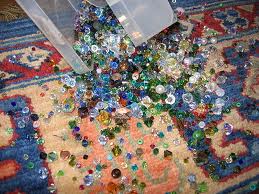
This wasn’t like that. This was thousands of round objects falling and running and spreading every which way. Along the walls, behind the legs of chairs and tables, under people’s feet. In with the dust, the dog hairs, and previously spilled beads or beads that had mysteriously escaped their trays.
She should have said, “Shoo Fly!” Not “Yikes!”.
I’ve never carried twelve trays of loose beads at once again.
Bead spills are not rare occurrences. In fact, some people spill beads like other people drink water.
There are the people who like to carry big purses in small places. These people are prone to sudden turns and distractions. Guaranteed spills!
These people need to understand the interrelationships between space, lack of space and time. Simple physics. Bead spills have physics, and I’m sure could easily be considered a science. Like, if you drop a bead, in what direction does it go? How far does it go? How fast does it travel? Do red beads behave similarly as blue beads? If someone dropped you from the top of a building, would you end up going in the same direction, and as far? Probably not. So what is it about beads that makes things happen like dropping them off to the right, and finding them off to the left? Bead spills do not have the same physics as pick-up-sticks. That is for sure. They have laws of gravity and mass and energy all of their own.
Then there are the people who are torn between their love of beads and their love for their pets. It doesn’t matter if it’s a cat, a dog, a parrot or a fish. Beads spill. It could be a monkey or a ferret or even a Rogue Elephant. Beads spill. Sometimes it’s a dog AND a cat or a parrot AND a ferret. Beads spill.
People need to understand that animals understand the situation. Animals do not want to share their love – especially with beads. Beads are beautiful, but don’t need water or food. Beads are comforting to touch, but don’t need grooming. Beads are glorious in their splendor, but will not bite. It should come, then, as no surprise, that animals, when near any pile of beads, will instinctively have the urge to make them spill in ways you never thought of. Animals spill beads, but for more selfish reasons than humans.
The strategies of animals are legend, and have been written down in a secret book – Bead Spill Techniques for Dogs and Cats. You’ve seen these techniques in practice. Your cat angling for attention, moves toward you to sit in your lap – of course, moves toward you over your tray of beads. Your dog taking the pose to beg for treats while you’re moving your tray of beads from one end of the table to the other. Your pet actually eating those particular beads you’re working with right now. You catch them, but suddenly their tail goes swoof, and you are down on your hands and knees again picking up millions and millions of tiny, very small, eye-straining beads. These animal-based-skills are very practiced and endless. Animals do not like playing second fiddle to beads. And if the pile of beads has been organized to accommodate the needs of a particular project, well, so much the better. They score more bead spill points.
Picking up spilled beads is a familiar routine. There’s nothing like dropping 14KT gold delica seed beads onto a gold shag carpet, getting on your hands and knees, and delving into product reclamation. Picking up bead spills works better when set to jazzercise music, but no music will suffice as well. Some people get crafty, and stretch a nylon stocking across the intake collection valve of a vacuum cleaner. Other people, however, are just plain tired of picking up beads. They let them stay where they fall. On the floors. In the couches. In clothing, in boxes, in food, in pots and pans.
New beaders seem especially concerned and anal-compulsive about spilled beads. They spot an errant bead, and rush to pick it up and place it in a container somewhere. Seasoned beaders have learned to live with such minor nuisances as combing beads out of their hair. They see a bead on the floor, and let it lay.
Posted in bead weaving, beads, beadwork | Tagged: bead spills | 1 Comment »
Posted by learntobead on February 7, 2014
Center for Beadwork & Jewelry Arts: Workshops
|
|
||||||||||||||||||||||||||||||||||
//
//
Posted in beadwork | Tagged: beading workshops, beadwork classes, jewelry design, warren feld | Leave a Comment »
Posted by learntobead on December 15, 2013
ALL DOLLED UP: BEADED ART DOLL COMPETITION
Fifth 2013
This year, we did not receive many entries. The Judges felt that there were not enough entries which met their criteria to hold a contest.
Two of the entries, however, were awarded Judges Honors with a $200.00 prize.
These two doll artists’ works are presented here. (http://www.landofodds.com/store/alldolledup2013contest.htm )
It was interesting that both artists – one from California and the other from Texas — both chose the “mermaid” to illustrate this year’s theme of Transformations. Both artists, however, created their dolls using different technical methods and artistic goals.
QUESTION:
If you were a judge, which one of these entries would you have scored higher?
Visit the webpages and review their images, materials lists, and written stories.
CRYSTAL RECTOR
from Lomita, California
“Emergence”

CRYSTAL RECTOR
from Lomita, California
“Emergence”
Yvette M. Lowry
from Dickinson, Texas
“Meredith”
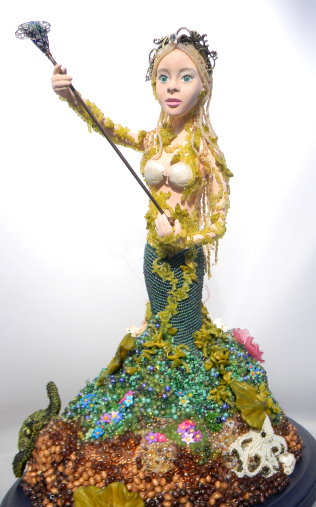
Yvette M. Lowry
from Dickinson, Texas
“Meredith”
Our ALL DOLLED UP Competition is structured , not as a “beauty contest”, but more of a “design competition.” The artist is asked, not only to design a doll, but to create a story – fictional, non-fictional or a mix of both – which illustrates the kinds of thinking and choices the artist made while creating the doll, its structure, its colors, and its artistic embellishment.
The judges evaluated all the entries in terms of:
1. INSIGHT: The Bead Artist’s inner awareness and powers of self-expression through sculptural beadwork
2. TECHNIQUE(S):Creativity of the artist in using various beading stitches, as well as creating the doll’s form.
3. VISUAL APPEAL: The overall visual appeal of the doll.
4. QUALITY OF WRITTEN STORY: How well the written short story enhances an appreciation of the Beaded Art Doll.
This year’s theme was: Transformations. The written story had to begin with this sentence:
“As she turns towards me, her hands no longer seem familiar; her face, once recognizable, now unexpected; her aura, a palette of changed colors, I want to share, but can’t all at once. She is transforming, before my eyes, as if I wished it to happen, for whatever reason — fun, mundane or sinister — I’m not sure. But as she moves and evolves, a special insight occurs to me, so I name her… “
Posted in beads, beadwork, Contests | Leave a Comment »
Posted by learntobead on September 26, 2013
KEEPING YOUR FINGERS, HANDS, ARMS, EYES AND MIND
IN GOOD WORKING ORDER
QUESTION:
What kinds of things do you do to keep your fingers, hands, arms, eyes and mind focused, nimble and in good working order?

Beading and Jewelry Making require lots of mind-body coordination. This takes work. It is work.
You have to control your stringing material. With needle and thread, you have to be able to get from your fingers to the needle to the beads, back along the thread to the needle to the fingers, hands, arms, eyes, mind. And then again. And again. Over and over, one more time. You need to get into a rhythm. All these working parts need to be working. No time for cramping. No time to get tired. No time to lose concentration.
A rhythm. Needle, pick up bead, pull down along thread, check the tension, pick up a bead, pull down along thread, check the tension, pick up a bead….
I noticed that different instructors had various techniques and strategies for maintaining this rhythm. Yes, music was involved sometimes. Othertimes simple meditation or creative reading and discourse. Some people had some stretching exercises that they did. Others tested themselves before proceeding with their big project. Still others did small things to reconfirm their learning.
I adapted some of their techniques into a workshop I do on Beading Calisthenics. Here is Exercise # 1.

BEADING CALISTHENICS #1: 5-Finger Stretchies
This exercise is used to prevent your fingers from cramping. Often, when beading, you are holding your hand and fingers in a very tight, controlled, sometimes unnatural or uncomfortable position. You should stop periodically, and do 5-Finger Stretchies. This is a wonderful exercise which relaxes the muscles in your hands.
Take one hand and hold it arm out, palm forward. Your arm is parallel to the floor. Your palm, fingers up, is perpendicular to the floor. Tighten every muscle in every finger, and pull each finger inward and downwards towards the point they meet the palm, but don’t touch the palm. Picture making a claw with your pulled back fingers.
Squeeze the tension, release. Squeeze, release. Squeeze, release. Do this rapidly, perhaps 4 squeeze/releases a second. Do this for 10 seconds.
Now do this with the other hand. 10 seconds.
Do this a couple times with each hand.
Then return to your beading.

Posted in beadwork, jewelry making | Tagged: exercise | Leave a Comment »
Posted by learntobead on September 25, 2013
PEARL KNOTTING WITH WARREN FELD
Our class now a video tutorial online at CraftArtEdu.com .
http://www.craftartedu.com/warren-feld-pearl-knotting-with-warren-feld
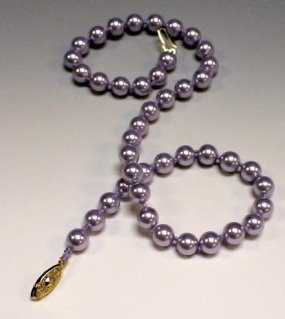
Classic Elegance! Learn a simple Pearl Knotting technique anyone can do. No special tools. Beautiful. Durable. Wearable.
Everything you need to know for successfully designing with pearls, including knotting – traditional vs non traditional methods, attaching clasps, finishing, care of your pearls, repair and types of pearls, the nature of the pearl. Jewelry designer Warren Feld will lead you through this comprehensive CraftArtEdu class that is all about pearls. 6 Broadcasts. Downloadable handout.
Price: $40
Level: All Levels
Duration: 106:17 minutes
Posted in beadwork, jewelry making | Tagged: hand knotting, pearl knotting, pearls | Leave a Comment »
Posted by learntobead on September 3, 2013
MIXED MEDIA BEADWORK
It’s my belief that you cannot combine two different media to make a piece of jewelry without letting one of them predominate over the other.
Agree or disagree?
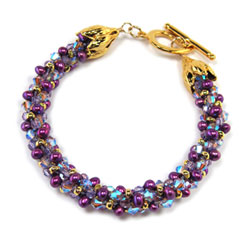
kumihimo
Whether combining fiber with beads or metal with beads or paint and sculpture with beads, it is difficult to have a successful, satisfying outcome, without letting one of the media be dominant over the other.
Each media has its own set of structural rules and requirements. Each interacts with light and shadow very differently; that is, the materials and techniques associated with a particular media reflect, absorb and refract light differently.
These kinds of things make the viewer’s experience and interaction with the media and its resulting products different, from media to media.
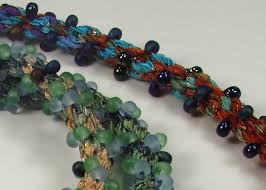
kumihimo
So, you can have a “knitting” project that incorporates some beads, or a “beading” project that uses a knitting stitch. In the former, knitting would predominate, with more focus on the fibers; in the latter, beading would predominate, with more focus on the beads. You can have a wire project that incorporates some beads, or a beading project that incorporates some wire elements.
But it is rare that you can look at a project, and say it concurrently meets the criteria for success of both media – so, both a successful, satisfying knitting AND beading project, and both a successful wire AND beading project. It is difficult to preserve the integrity of either media if you force them to be co-equals.
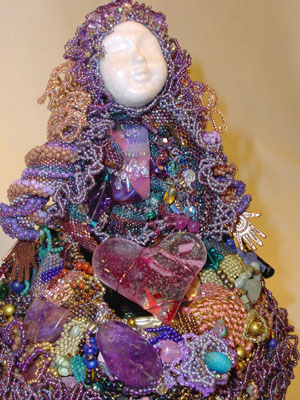
beaded art doll
And you can draw parallels across media to situations crossing materials, as well. It is difficult to mix materials within the same project. For example, it is difficult to mix glass and acrylic beads, or glass and gemstone beads….Unless, you let one material become predominant over the other.
But all of this is very challenging, almost off-putting, to the jewelry designer who wants to combine media techniques and materials.
How can techniques and materials in other craft and art disciplines be combined with beads to make jewelry? And, how can other art and craft disciplines incorporate beads or traditional beading techniques to make jewelry?
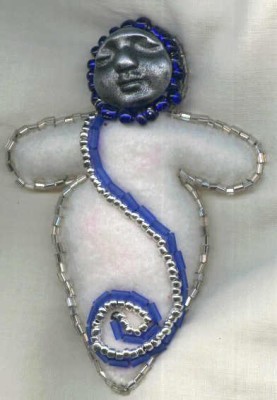
beaded art doll
If you have created mixed media projects, or enjoy viewing them,
What do you think?
Share them by posting them to our group.
Warren
Land of Odds (www.landofodds.com )
Warren Feld Jewelry
Center for Beadwork & Jewelry Arts
Posted in Art or Craft?, beadwork, jewelry design | Tagged: beaded art dolls, fiber and beads, fiber arts, kumihimo, metalwork, mixed media art, wirework | Leave a Comment »
Posted by learntobead on August 26, 2013
HOW HAS TECHNOLOGY IMPACTED YOU AS A JEWELRY DESIGNER?
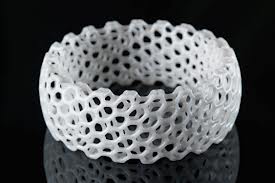
The impact of technology on work and jobs was the focus of a recent opinion piece in the New York Times by David H. Autor and David Dorn. And, as jewelry designers, we are living through and with all the positives and negatives that arise through this technological change.
How has technology affected what we do as designers?
How has it affected what we do to survive and thrive as designers?
Have we mechanized and computerized the jewelry design business into obsolescence?
How have you had to organize your jewelry designer lives differently?
given the rise of
-the internet,
-Ebay, Etsy and Amazon.com
-blogs, facebook, twitter, pinterest, instagram
-new technologies and materials like precious metal clay, polymer clay, crystal clay, 3-D printing
What has happened to your local bead stores?
What has happened to bead magazines?
If you teach classes for pay, or sell kits and instructions, how do you compete against the literally millions of online tutorials, classes, instructions and kits offered for free? How does this affect what you teach or design to sell as kits?
If you sell jewelry, how do you compete against the 60,000,000 other people who sell jewelry online? How does this affect your marketing, your pricing, your designs?
If you make part of your living doing a arts and crafts show circuit, will there still be a need for this in the future?

The authors in this NYT article pose the questions raised by several prominent authors and scholars:
Are we in danger of losing the “race against the machine?” (M.I.T. scholars Erik Brynjolfsson and Andrew McAfee)
Are we becoming enslaved to our “robot overlords,?” (journalist Kevin Drum warned in Mother Jones)
Do “smart machines” threaten us with “long-term misery?” (economists Jeffrey D. Sachs and Laurence J. Kotlikoff)
Have we reached “the end of labor?” (Noah Smith in The Atlantic)

Let me paraphrase these a bit in terms more specific to jewelry design and beadwork.
Does the reach of technology, through such vehicles as the Internet, make things so productive and efficient, that we no longer need so many people making jewelry, or teaching jewelry making, or marketing businesses / products or selling the parts to make jewelry?
If we do not need so many people to design / teach / market / or sell, and there happen to be a lot of people doing this anyway, does this necessarily make the relative worth and price for any of these activities “$zero”?
Does all this technological efficiency diminish the act of “creativity”? Now so many things can be standardized that everything – even the manufacture of complex pieces of jewelry through 3-D technology – can be reduced to a set of how-to instructions – mere recipes?
Has this technology reduced the need for bead magazines, and bead stores, and traditional classes?
On the other hand, technology has made jewelry design, and good jewelry design, more and more accessible to more and more people.
It has opened up a myriad of possibilities for people to explore their creative selves.
It has let jewelry designers reach a broader audience with their wares, their knowledge and their endeavors.
With new materials and technologies have come many new possibilities for creating jewelry.
It has made it easier for more people to get into the various jewelry design-related businesses.
It has made it easier to stay current and learn.
It has made it easier to meet and learn with fellow jewelry designers.
It has made it easier to mine big data, identify the most relevant target customers, and to market to them in very specific, cost-effective ways.
It has made it easier for retail outlets to find the merchandise they need to sell.

Some quick observations from my own professional life:
– We have an elaborate curriculum of classes that we teach. However, many of the beginning classes are becoming obsolete, in the sense that students can find similar classes on YouTube, in bead magazines, and throughout the internet, now for free. The issue for us is how to adapt, given that one of our goals is still to charge money for these classes, and make money. And a concurrent goal is to offer the student a learning opportunity worth the price paid.
– Each year, we used to have 1 or 2 national level instructors do workshops at our store. But it has become difficult to attract students. There are so many projects easily available – including from these national-level instructors – that students started to indicate that their interests in these workshops had diminished. They could do these same or similar projects on their own.
– When we opened our store in 1991, there were few places for people to acquire what we sell. Now there are almost 100 million places for people to go. It is obvious that most of our in-store customers purchase more of their supplies online or through catalogs than they do in the store.
– We used to do craft shows a long time ago. But the cost of travel got very expensive, and, with the internet, people had more opportunity to find what we sold without going to the craft shows.
– It used to be that the crux of our advertising dollars were spent with bead magazines. No longer. Bead magazines get a very small part of our advertising dollars. I can remember when all our customers read the bead magazines to get all their information. Now very few do. Most have organized themselves into small groups in various social media sites. To get your marketing message across, you have to spend a lot of time doing this online, and you can no longer market with a “broad brush”. That is, it has become ever-more-difficult to reach people.
– Our online business – Land of Odds – has been in existence since 1995. It has gone through 6 technology upgrades/re-designs since then. The e-commerce and website design technology moves and evolves so incredibly fast. Personally this constant updating has been grueling. The site needs more re-design, but my motivation to learn and cope with yet another computer language and new sets of tasks has diminished. Land of Odds was a pioneering online business. But the very large bead companies have gotten their acts together online, and are much better capitalized to expand their operations.
Technology has been a dauntingly mixed bag for us. On the negative side, the rapid advance and spread of technology has overwhelmed the various activities we do. On the positive side, it has forced us to become ever more creative and ever more efficient in what we do. It forces us to constantly re-define who we are and what we want to do. And it forces us to constantly re-define how we do things.
What do you think?
Posted in bead weaving, beadwork, business of craft, jewelry design, jewelry making, Stitch 'n Bitch | Tagged: 3-d jewelry making, 3-d printing, crystal clay, impact of technology on jewelry design, internet and jewelry, jewelry design, technology | Leave a Comment »
Posted by learntobead on July 18, 2013
MANAGING DESIGN
AT THE BOUNDARY BETWEEN
JEWELRY AND PERSON
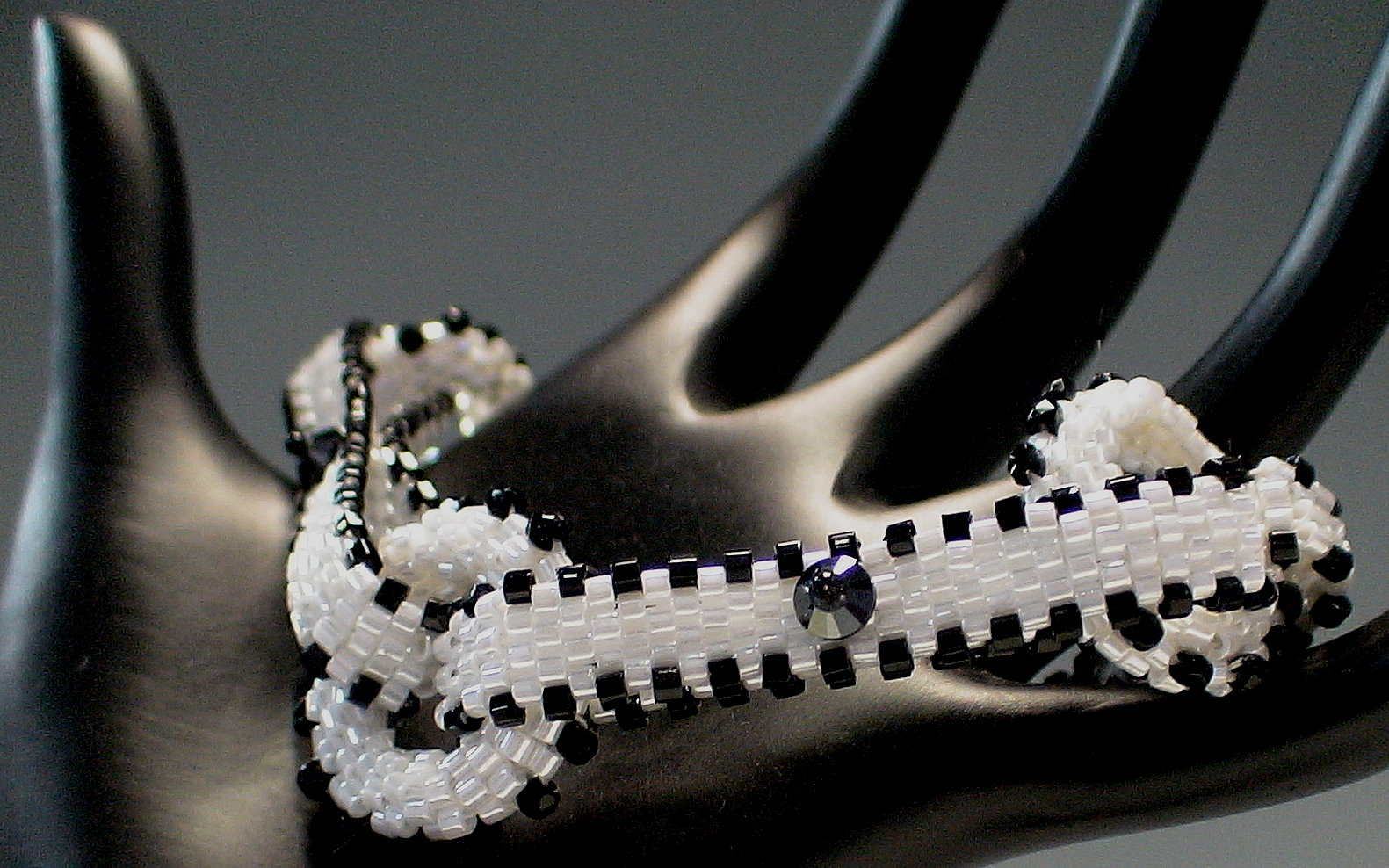
Jewelry is art, but only art as it is worn.
That’s a powerful idea, but we somewhat ignore it, when thinking about making jewelry. We like to follow steps. We like to make beautiful things. But too often, we avoid having to think about the difficult choices and tradeoffs we need to make, when searching for that balance among aesthetics, functionality, context, materials and technique.
I am going to get on my soap box here.
Good jewelry design must answer questions and teach practitioners about managing the processes of selecting materials, implementing techniques, and constructing the piece from one end to the other.
We tend to teach students to very mechanically follow a series of steps.
What we should be doing, instead, at least from the Design Perspective which is so influential in my approach for creating jewelry, is teach students how to make choices when managing at the boundary between jewelry and person.
I recently put together a video tutorial for a brick-stitched project I call Tuxedo Park Bangle Bracelet, where I tried to write and present the instructions, from this Design Perspective. I first discuss the jewelry design process as a series of choices and tradeoffs. And only then do I list the steps the student needs to follow for completing the project. But each step is presented as the result of a particular analytical or problem-solving process, something to the effect, “I confronted this situation, I weighed these options, and, for these reasons, I decided to execute the next step this way….”.
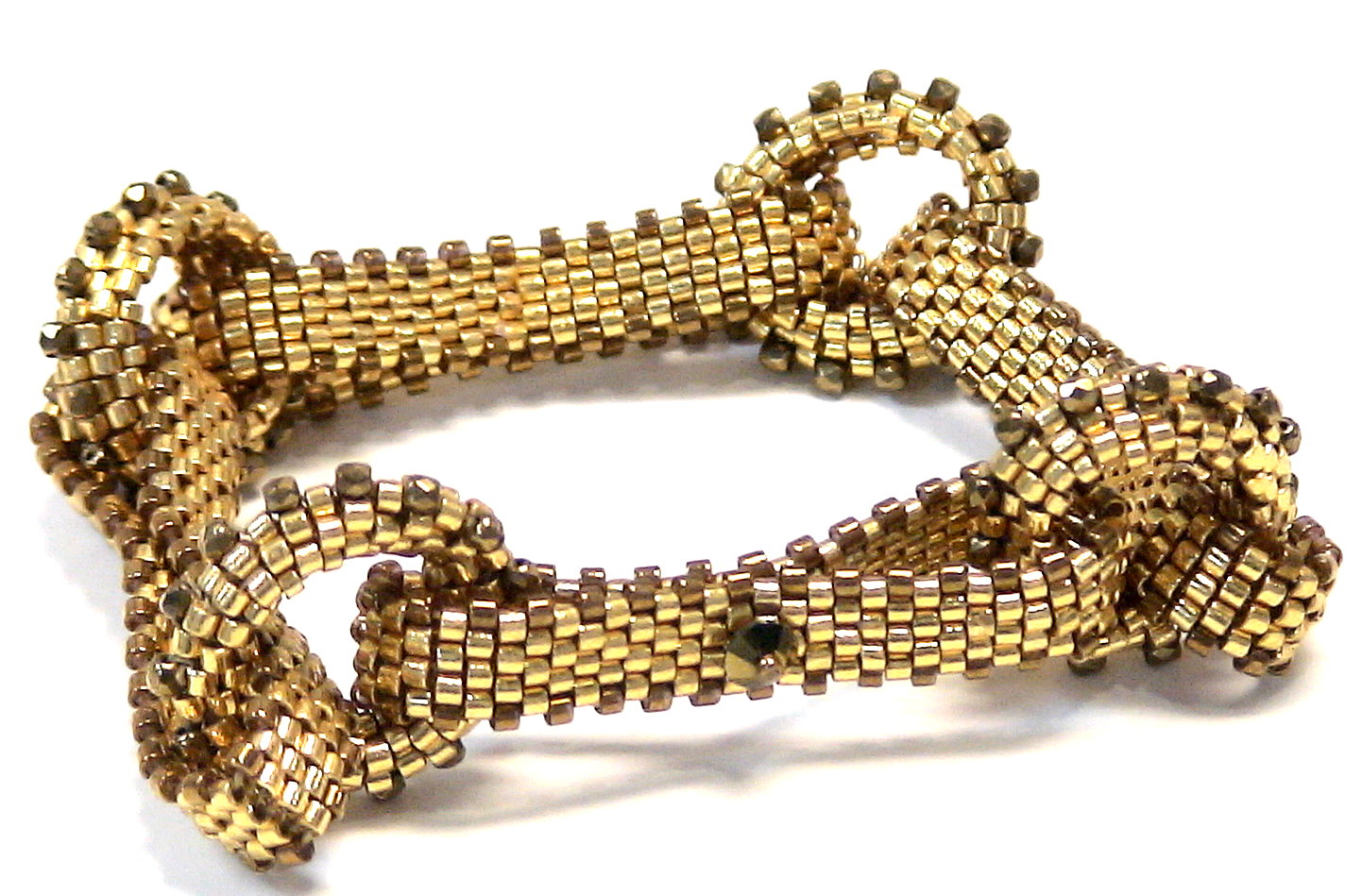
This bangle bracelet has to stretch wide to get over the hand, and then shrink back to its original dimensions, all the while keeping its shape and integrity. It will have to do this many times. That means, the beads within the piece, as well as each bead woven component of the piece, will need to be able to bend in more than one direction, yet remain somewhat stiff enough for maintaining each component’s shape as well as the bangle’s aesthetic and functionality over all. If we redefine the brick stitch architecturally, we can see its versatility and flexibility, making it is the perfect stitch to achieve these goals.
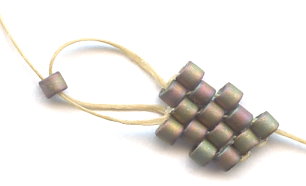
You can find this tutorial at CraftArtEdu.com, or
http://craftartedu.com/warren-feld-tuxedo-park-bangle-bracelet
The preview is free, and introduces some of my ideas.
Discussion Questions for you…
1. Re-look at one of your favorite pieces. Review the questions posed in the article below. Now, describe your piece for the group, in design and architectural terms, using the questions posed below to guide your thoughts. And post your description for the group along with an image of your piece.
2. Think about your favorite technique – whether bead stringing, bead weaving or wire working or some other jewelry-making interest area. How does this technique help your pieces, which are made using it, keep their shape? How does the technique help your pieces withstand the forces that come from wearing and movement?
From an article I’m writing about the architectural approach to defining bead weaving, bead stringing and wire working….
In addition to teaching students “steps”, we need to teach students about making good design choices. The “steps” should be presented as the results of these choices. The thinking and reasoning processes should be the focus. How we arrived at these choices, and how we have made tradeoffs, should be at the forefront of what we teach. The steps should not be presented as fait accompli. But rather, the steps should be overtly understood as the logical outcomes from our thought and design process.
This is the architectural manifesto and challenge for re-thinking and re-defining jewelry design. We need to teach students to think this way and answer these 10 core questions at the heart of this manifesto:
(1) Why or how does a particular bead stringing technique, wire work technique or bead weaving stitch suggest a particular form of representation?
(2) How does my work relate to the complex factors at play in design, including philosophy, science, religion, ecology, politics, cyberspace, gender, literature, aesthetics, economics, history, culture, and technology?
(3) What kinds of things characterize contemporary design, and its aesthetics and functionality?
(4) What about the materials you are using helps you transform them into a pleasing, satisfying piece?
(5) What about the particular techniques you are using helps you transform materials into a pleasing, satisfying piece?
(6) What should the design process look like? What are the design elements which need to be managed? What are the rules for their manipulation?
(7) How do you best define, create and use components, forms and structures?
(8) What is the structure (or, you might visualize the anatomy) of your piece of jewelry, and how is that structure construed and constructed? What specifically about the structures or building blocks of your piece contributes to a successful and satisfying design?
(9) How does your jewelry, given its structure and the techniques you used to assemble it, withstand forces? What, in the designing, the selecting of materials or techniques, or the strategizing about the overall construction help you better manage things like movement, drape, flexibility, strength, comfort, and interplay of light, shadow and color?
(10) How do you best manage your visual presentation in terms of color, light, shadow, dimensionality, pattern, texture, and perspective?
Posted in bead weaving, beadwork, jewelry design, jewelry making | Tagged: design, design theory, jewelry architecture, jewelry construction | Leave a Comment »
Posted by learntobead on July 13, 2013
TUXEDO PARK BANGLE BRACELET
New Video Tutorial at CraftArtEdu.com
Purchase kits at:
Land Of Odds online
IN THIS CLASS, LEARN HOW MUCH SHAPING, INTEREST, AND DIMENSIONALITY YOU CAN ACHIEVE WITH THE SIMPLE, BASIC BRICK STITCH. BY CREATING MY TUXEDO PARK BANGLE BRACELET. THE BRICK STITCH IS EASY TO LEARN. FUN TO DO. AND OFFERS MANY DESIGN POSSIBILITIES FOR THE BEAD WEAVING ARTIST.
BRICK STITCH IS OFTEN OVER-SHADOWED BY ITS VERY CLOSE, BUT MORE POPULAR COUSIN – THE PEYOTE STITCH. I OFTEN THINK THAT ONE OF THE REASONS FOR THIS, IS THAT INTRODUCTORY BRICK STITCH PROJECTS LACK SOME OF THAT “WOW” FACTOR. THE BASIC BRICK STITCH TYPICALLY IS TAUGHT BY HAVING THE STUDENT MAKE A SIMPLE PYRAMID, PERHAPS SOME LONG DANGLING FRINGE IS WORKED OFF THE BASE OF THE PYRAMID TO MAKE NATIVE AMERICAN EARRINGS. OR, PERHAPS LINKING SEVERAL PYRAMIDS TOGETHER TO MAKE A BRACELET. WHEN THE INTRODUCTORY PROJECT IS “BORING”, STUDENTS LOSE INTEREST IN THE STITCH.
HOWEVER, TOO OFTEN IGNORED IN THESE INTRODUCTORY BRICK STITCH PROJECTS ARE THE POWERFUL, STRUCTURAL PROPERTIES OF THE STITCH ITSELF.
THE STITCH IS VERY VERSATILE.
THE BRICK STITCH CAN BE USED TO CREATE A BROAD CANVAS, AND GIVE THIS CANVAS A GREAT DEAL OF FLEXIBILITY, WHERE MANY STITCHES WOULD LEAVE IT TOO STIFF.
AT THE SAME TIME, THE BRICK STITCH CAN ALLOW THE CANVAS TO HOLD AND MAINTAIN ITS SHAPE, WHERE MANY OTHER STITCHES MIGHT GET FLOPPY AND TOO LOOSE.
BRICK STITCH CAN ALSO EASILY GIVE THIS CANVAS VERY VARIED SHAPES, EDGES AND OPEN SPACES, AND ALLOW A GREAT DEAL OF CONTROL OF THREAD PATH AND BEAD PLACEMENT WHERE OTHER STITCHES COULD NOT.
THE TUXEDO PARK BANGLE BRACELET IS AN INTRODUCTORY PROJECT THAT INTRODUCES THE STITCH AND SEVERAL VARIATIONS TO PEAK YOUR INTEREST.
AND TURN YOU INTO A BRICK STITCH FAN.
THIS VIDEO TUTORIAL IS PRESENTED FROM WHAT IS CALLED THE DESIGN PERSPECTIVE. THE DESIGN PERSPECTIVE FOCUSES ON HOW THE JEWELRY DESIGNER AND BEAD WORKER MAKE CHOICES
ABOUT WHAT TO DO, AND NOT TO DO,
ABOUT WHAT TO INCLUDE, AND NOT INCLUDE,
AND ABOUT HOW TO BALANCE OFF CONFLICTING DEMANDS
BETWEEN BEAUTY AND FUNCTIONALITY.
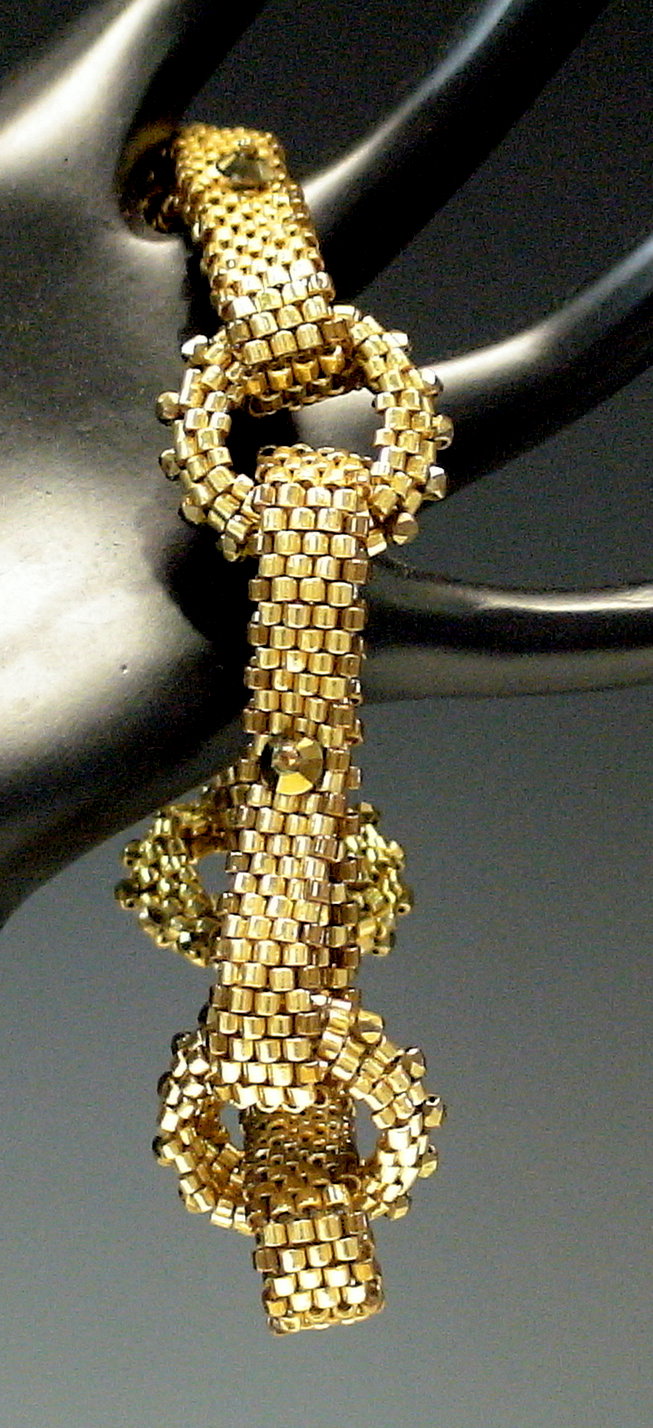
IN THIS VIDEO TUTORIAL, I FIRST GUIDE YOU THROUGH THE PROJECT PLANNING PROCESS. THAT IS, I DISCUSS THE TYPES OF CHOICES I MADE, WHEN CREATING THIS PIECE. THESE CHOICES INCLUDE THINGS ABOUT TECHNIQUE. THEY INCLUDE THINGS ABOUT COLOR AND MATERIALS. THEY INCLUDE THINGS ABOUT FORM, STRUCTURE AND FUNCTION.
THEN, I GO OVER, IN DETAIL, STEP-BY-STEP, EASY-TO-FOLLOW INSTRUCTIONS FOR COMPLETING THE PROJECT.
Posted in bead weaving, beadwork | Tagged: brick stitch | Leave a Comment »
Posted by learntobead on July 13, 2013
HOW DO YOU STAY FOCUSED?
It is easy to get distracted. Dagmar sent me an email with a link to a picture of a bead woven piece she liked. At first, I reacted with some resistance, to click the link. I needed to finish up several projects, and didn’t want to cloud my thinking, or add one more image or one more pattern I liked, or color I liked, or technique I liked, to that mix of ideas and tasks and things swirling around and around in my head.
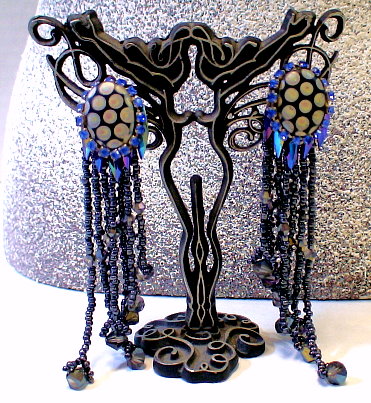
But, you guessed it, I clicked. The piece was beautiful, intriguing, and l discovered many more of this artist’s work on display online. I spent time with each piece. I read the artist’s statement because I wanted to learn more about her inspiration. She had many embedded links in her statement. Which led me to many other websites. One concept was discussed, and I did a Google search on that. And then an images.google.com search on it as well. Which somehow got me over to Amazon, then Wikipedia, and over to some other bead artist’s website.
Three hours later – how does time pass away so quickly? A simple click three hours earlier had led me through the looking glass and down the rabbit hole, through, what must have looked like to others, some torturous pathways, meeting all kinds of strangers.
I am always working on several projects at a time. So in my head, are several sets of instructions, several color palettes, several understandings of inspiration. And I want to keep some focus. And I want to finish all of these projects. And I want to be able to conceptualize and invent my next projects, which involves lots of trial and error experimentation. I want to have the time and clear head space for all this.
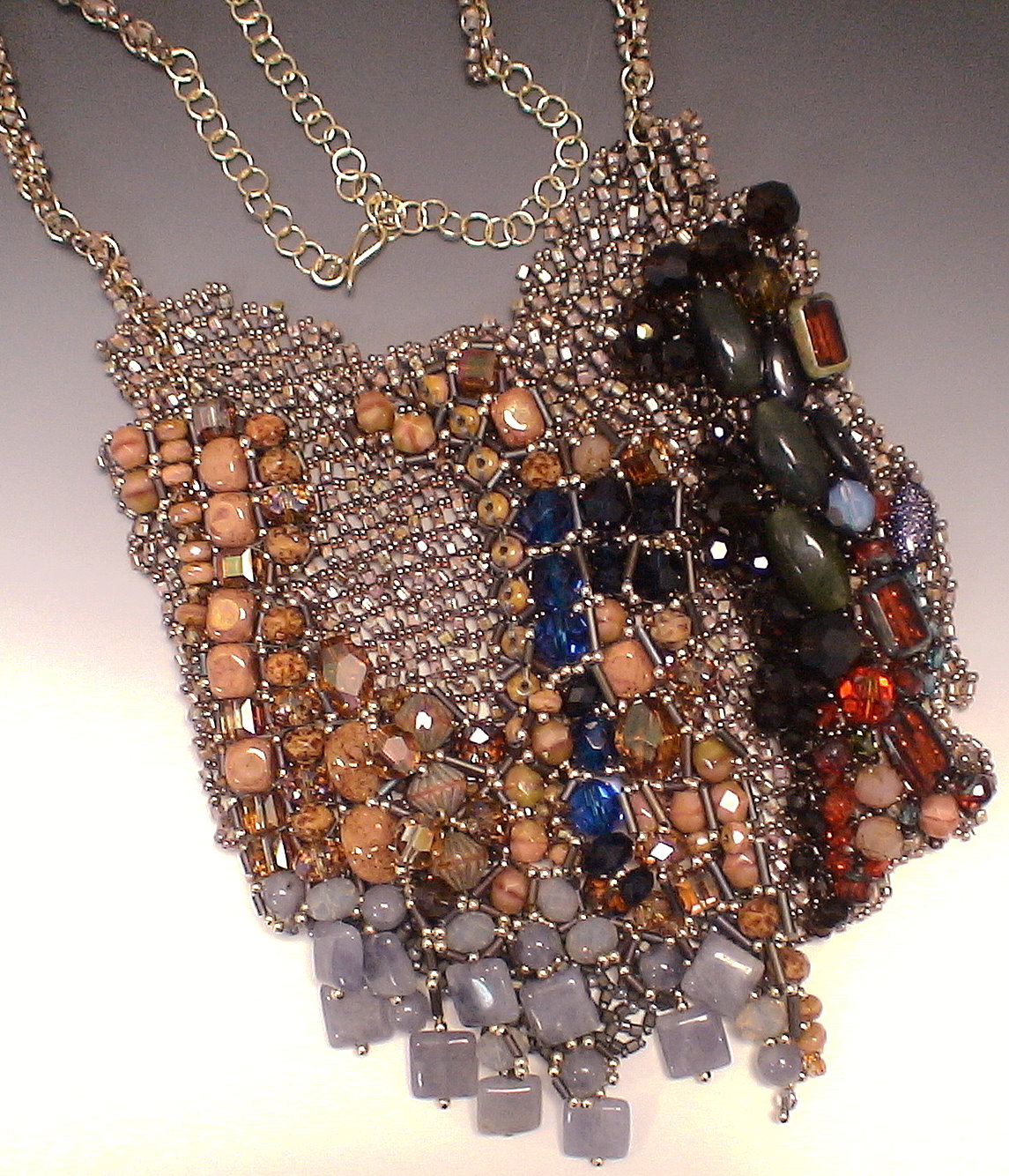
And yet, there are so many easily accessible distractions.
I know I’m not alone, so the question I put forward to you:
How do you stay focused?
And perhaps, I should phrase the question differently: Can you stay focused?
Or, in the face of so many great examples of jewelry and bead art, so many evolving changes in styles and fashions, the introduction of many new colors and new bead shapes and new techniques – in the face of so much wonderfully inspiring, so many things to learn and educate yourself about – how do you keep in touch with your inner designer self, and find the time and energy for self-expression?
Posted in beadwork, jewelry design, jewelry making | Tagged: arts and design, creativity, jewelry design, jewelry making, Staying Focused | 2 Comments »
Posted by learntobead on June 4, 2013
WAX YOUR THREAD, CONDITION IT, OR DON’T
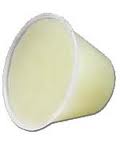
We are always debating here whether to wax your thread or not, and if so, what wax or thread conditioner to use.
I have some strong opinions about this.
How about you?
Some people never wax.
Some people think it makes no difference as to whether the thread breaks.
Some people think it ruins the beads.
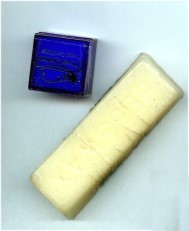
By the way, my opinions:
With beading thread, like Nymo or C-Lon, always wax.
Always use microcrystalline wax
Never use Thread Heaven.
With cable threads, like FireLine, sometimes wax.
I wax when the stitch I am doing is a loose one, like Ndebele or Right Angle Weave. The stickiness of the wax helps me maintain a tight thread tension.
Never use pre-waxed thread like Silamide.
Silamide is not abrasion-resistant, so it breaks too easily with beads. The holes of most beads are pretty sharp.
Waxing keeps the beading thread from fraying.
It’s stickiness allows greater control over managing thread tension.
The process of waxing stretches the thread a bit before you use it.
The waxy buildup helps fill in the jagged rim of the holes of your beads, making them a little less likely to cut into your stringing material.
Posted in beadwork, jewelry making | Tagged: beading, beadwork, bees wax, microcrystalline was, waxing thread | 2 Comments »
Posted by learntobead on May 8, 2013
SO YOU WANT TO DO CRAFT SHOWS…
New CraftArtEdu.com Video Tutorial By Warren Feld
http://www.craftartedu.com/warren-feld-so-you-want-to-do-craft-shows
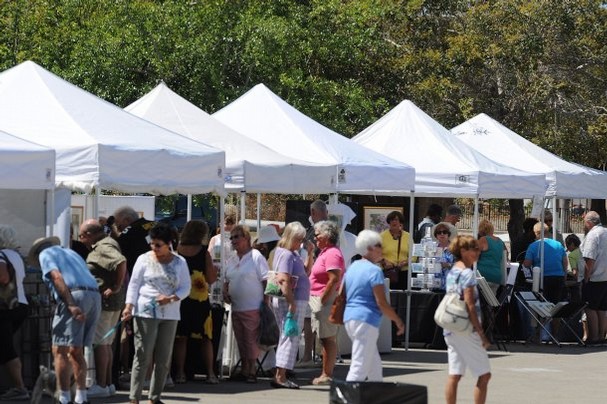
In this class, presented in 6 parts with 16 lessons, artist and businessman, Warren Feld, will fill you in on the ins and outs, the dos and the don’ts of selling at craft shows and fairs. Which are best for you, which may be a waste of your time. How to compute the revenue you must earn to justify participating in an event. This is a must see class for anyone thinking of entering the art and craft show world and will maximize your chances of success in these venues. 6 Broadcasts.
Price:
$30
Level: All Levels
Duration: 113:58
Posted in bead weaving, beads, beadwork, business of craft, jewelry making, Resources | Tagged: bazaars, business of craft, craft shows, fairs, flea markets, selling your jewelry | Leave a Comment »


