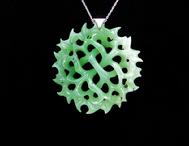
Warren Feld Jewelry

Taking Jewelry Making Beyond Craft

Jewelry Appraisals

Posted by learntobead on July 28, 2011

Jewelry Appraisals

Homeowners insurance rarely covers the full value of jewelry, in the event of loss or theft.

To cover the full value of your fine jewelry or collectible art jewelry, you should have a professional appraiser evaluate each piece, and then have it covered by your insurance as a separate policy or attachment to your current policy.

Choosing A Qualified Appraiser

Check out the following:
1. Educational Background.    Certified gemologist?  Certified jewelry appraiser?   Training by American Society of Appraisers?

2. Does the jewelry appraiser follow the Uniform Standard of Professional Appraisal Practice (USPAP)?  Not a requirement, but a good indicator of quality.

3. Works full time as an appraiser.

4. Associated with a jewelry store or manufacturer

5. Ask for references.   Especially from other professionals, such as banks, lawyers, or trust companies.

6. How does the appraiser charge? The fee for a professional appraisal should only be on an hourly rate or a piece rate based on time and complexity, and never a percentage of the value of the item appraised.

Be prepared to give the appraiser any documentation you have, such as receipts.
Be prepared to be charged a flat fee up front, typically $50.00 or more.
Verify with your insurance company how often they require appraisals, for the insurance to remain valid.


Valuing Costume Jewelry

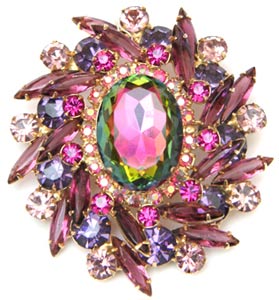
Most costume jewelry has little inherent value because it is not made from precious metals or with precious stones.

So, the value of costume jewelry has to do with such things as:

Desirability
Condition
Re-Sale Value
Sentimentality

Posted in business of craft | Tagged: , | Leave a Comment »

American Gypsy Jewelry

Posted by learntobead on July 28, 2011

American Gypsy Jewelry

http://www.pbs.org/wgbh/roadshow/tips/gypsy.html

The Antiques Road Show has a fascinating article about American Gypsy Jewelry on their blog.

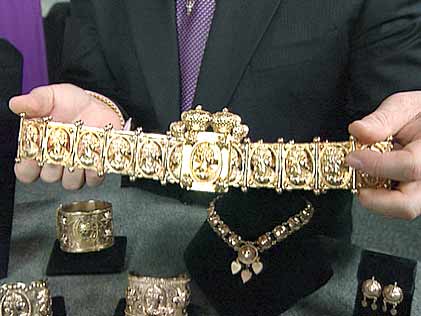
Gypsy Jewelry dates from the 1900-1930’s period.   During this time, many gypsies migrated to America and brought their jewelry-making skills with them.

Gypsy Jewelry is a rare form of jewelry with strong associations to the romance of the gypsy.   Much of the jewelry is 14KT gold.   Many pieces have embedded stones, but more likely the stones are synthetic.  Gypsies didn’t have a way to verify the worth of stones.   They used synthetic stones so they wouldn’t be a position of having to value them.

Gypsies were excellent at jewelry craft because they always carried their wealth with them.   It was easier and safer to carry their wealth in the form of jewelry.

Gypsies used a lot of coins in their jewelry.   They liked to represent the profiles of women, like cameos, which they called gypsy queens.

Gypsy jewelry is worth thousands of dollars.

Posted in jewelry collecting | Tagged: , , , | Leave a Comment »

Ceramics and Clay All Grown Up As Jewelry Medium

Posted by learntobead on July 28, 2011

Ceramics and Clay All Grown Up As Jewelry Medium

There have been some prominent exhibits and collections around the country highlighting the work of ceramics artists in jewelry.   Some of it is high-fired clay, some raku, some polymer clay and some metal clay.      It’s always very exciting to see how artists can achieve good jewelry design goals with new materials or new applications of materials.

Wearable Ceramics

One of the most prominent exhibits was called Wearable-Ceramics, at  Pewabic Pottery, in Detroit, Michigan.

From their promotional materials:

Wearable Ceramics: Jewelry from International Artists is a collaboration between Linda Ross Contemporary: Art + Projects and Tara Robinson, Curator of Ceramics, Pewabic Pottery. It brings together some of the finest established and emerging artists who are staking out new territories of design, transforming clay into jewelry often combined with found objects and other non-traditional materials. The show features a collection of intriguing and innovative brooches, necklaces, earrings and rings which demonstrate the bridge between ceramics and functional objects for the body; form and material. The tactile nature of ceramics creates a particularly visual language when translated into functional objects to wear – clay is fragile, yet direct contact with the body provides a personal resting place that is warm, protective and very intimate.

Sixteen established and emerging artists representing six countries are participating in the exhibition. The new generation of Dutch designers will be well represented in the show. True to their country’s reputation for producing outstanding craftsmen, they bring a unique international overview of avant-garde jewelry design to the mix. Likewise, artists from the U.S., Spain, Taiwan, Germany and Australia are all masters at technique and highly innovative makers who are staking out new territories of experimentation.

Some works of artists featured:
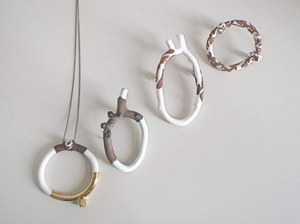
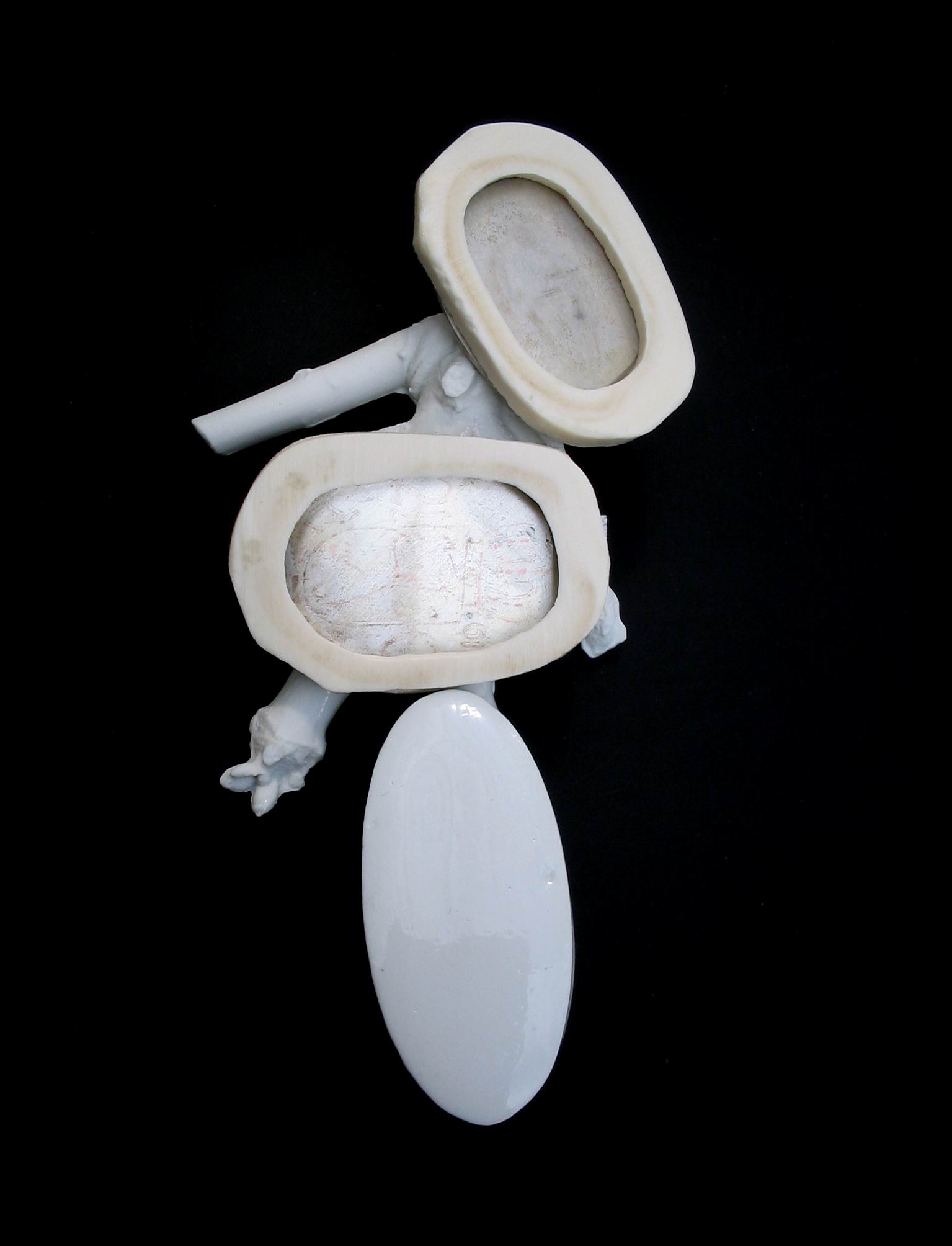
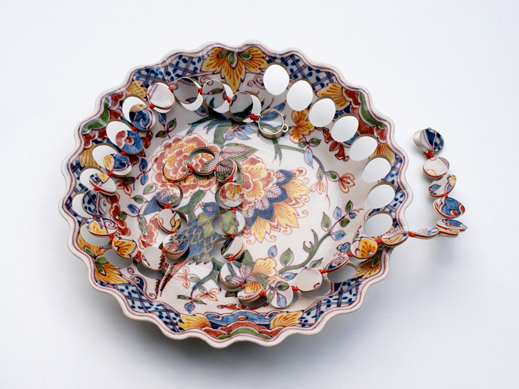
Rian de Jong. eft to right: Porcelain Necklace: gold luster, copper, tombac | Brooch: bone china, copper, garnets | Brooch: bone china, copper | Brooch: bone china, copper
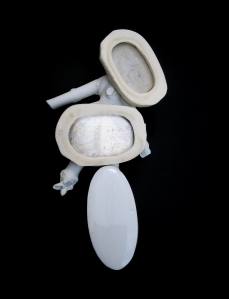
Iris Eichenberg. Brooch: porcelain, coin and bone
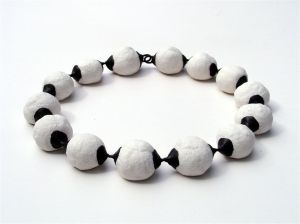
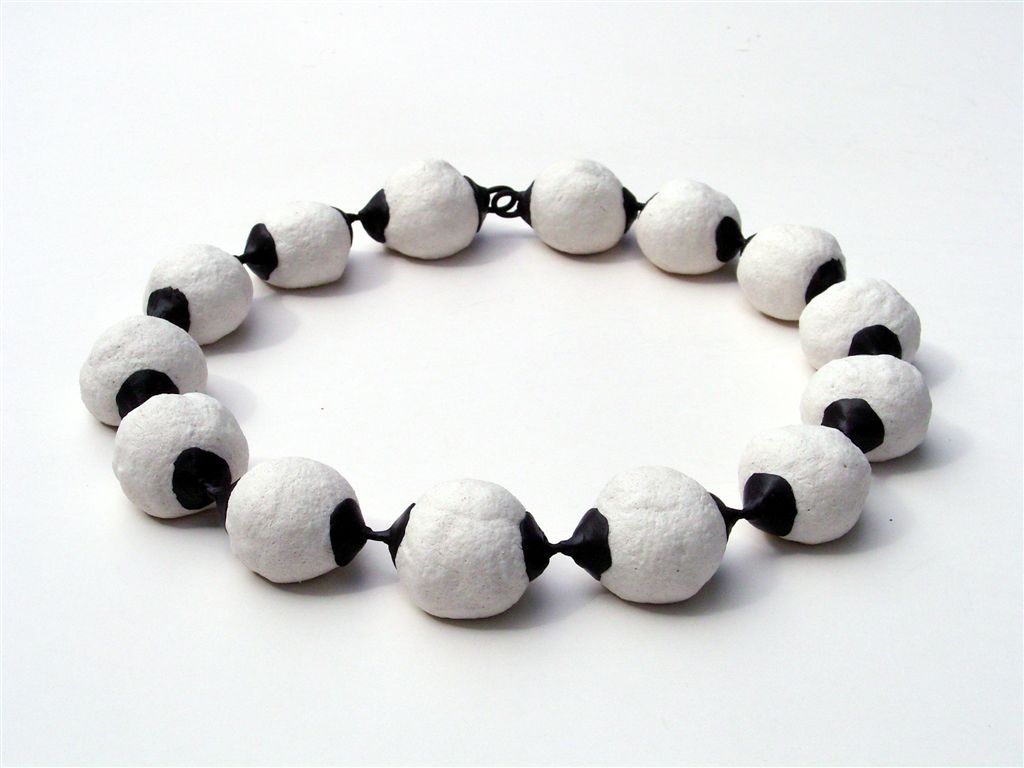
Maria Hees. Necklace: foam, porcelain, rubber
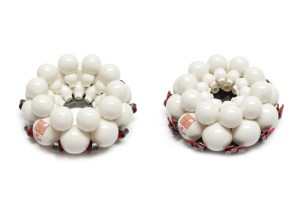
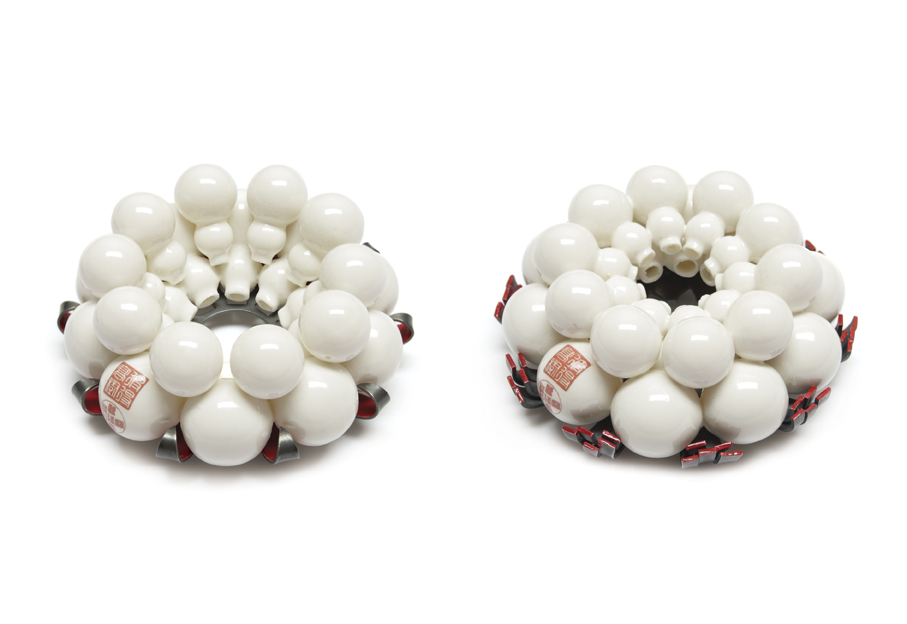
Peter Hoogeboom. “Shaoxing Peony”, Brooch: porcelain, silver, lacquer, nylon, steel
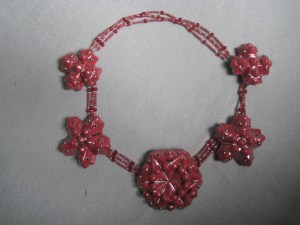
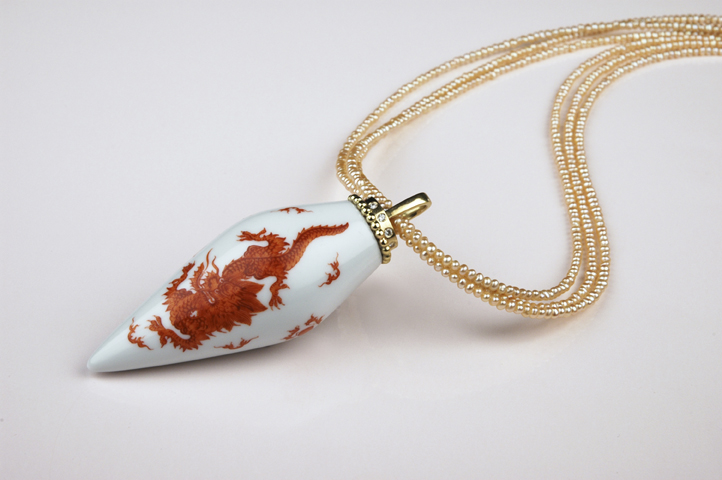
Jet Mous. Necklace: porcelain w/luster and patina
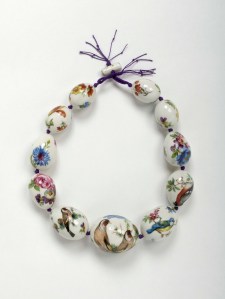
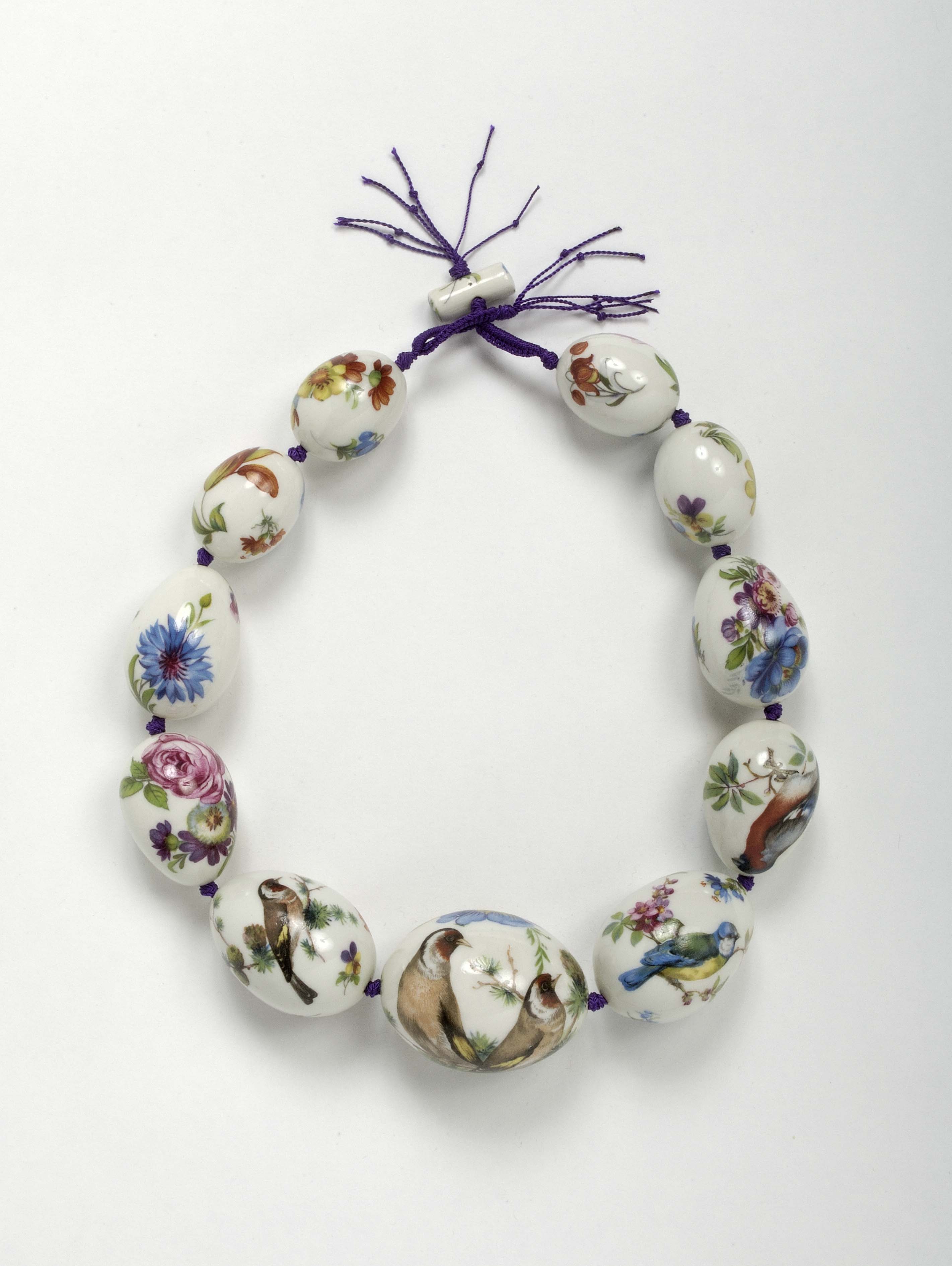
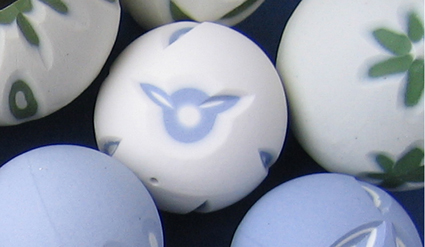
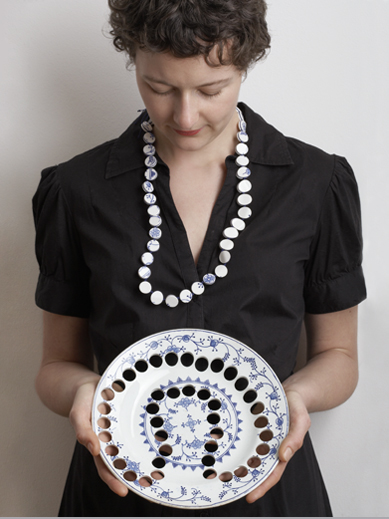
Pauline Wietz. Limonges Eggs | Materials: Porcelain, ceramic transfers | photo credit: Ron Zijlstra
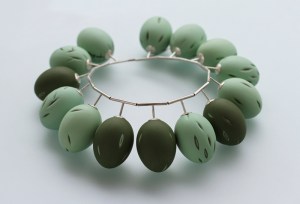
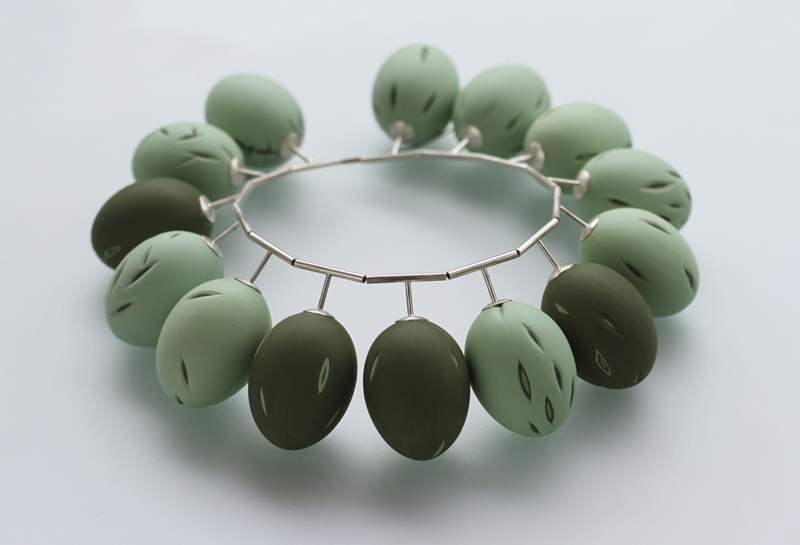
Shu-lin Wu. “Mokume Olive”, Necklace: carved porcelain, steel wire and silver
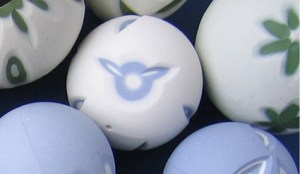
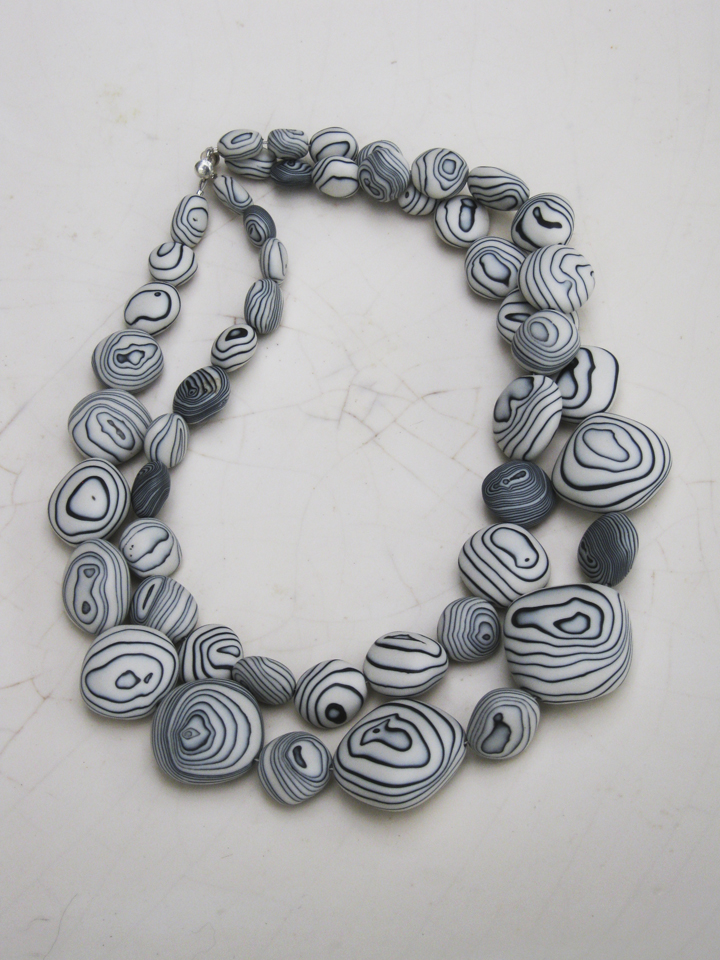
Shu-lin Wu. Mokume Game series. By hollowing out motifs in the colored porcelain, I achieved a layered polychromatic effect.
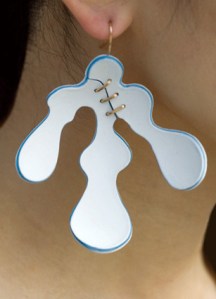
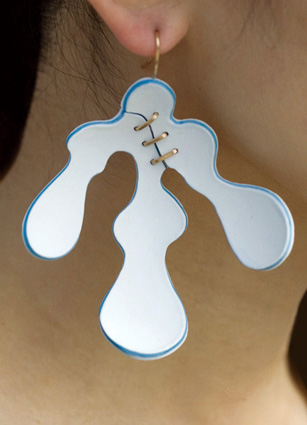
Shu-lin Wu. Earrings
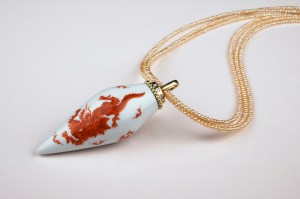
Gaby Wandscher. Necklace: porcelain, pearls
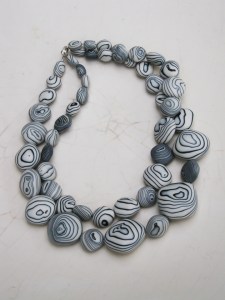
David Eliot. Necklace: Vitreous porcelain beads, metal oxide pigments, sterling silver clasp
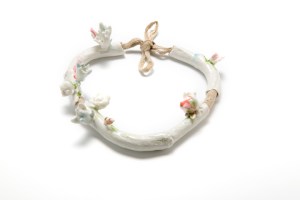
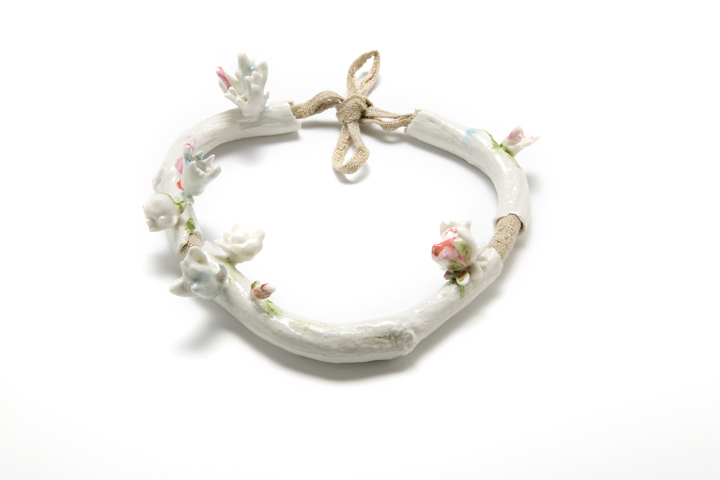
Evert Nijland. “Rococo,” 2010, Necklace: porcelain, hand-woven linen
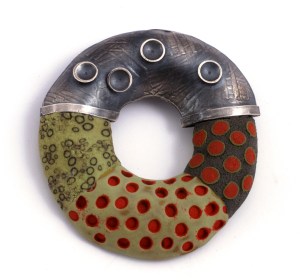
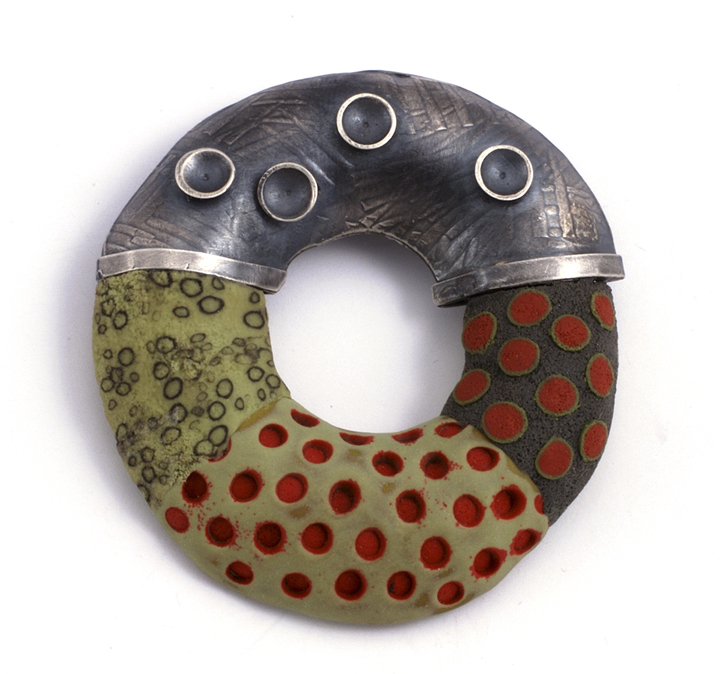
For & Forlano. Brooch: polymer clay, metal, colored oxides

Featured Artists:
Sebastian Buescher
Pilar Cotter Nunez
Rian de Jong
Iris Eichenberg
David Elliot
Ford & Forlano
Caroline Gore
Maria Hees
Peter Hoogeboom
Jet Mous
Evert Nijland
Karin Seufert
Andrea Wagner
Gaby Wandscher
Pauline Wiertz
Shu-lin Wu

A Bit of Clay On The Skin

Another exhibit, running through september 2011, is this new ceramics jewelry show at the Museum of Arts and Design in New York City.

Some of the works on display here:
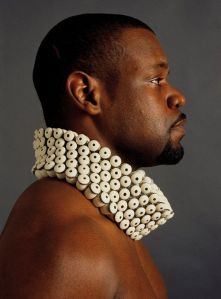
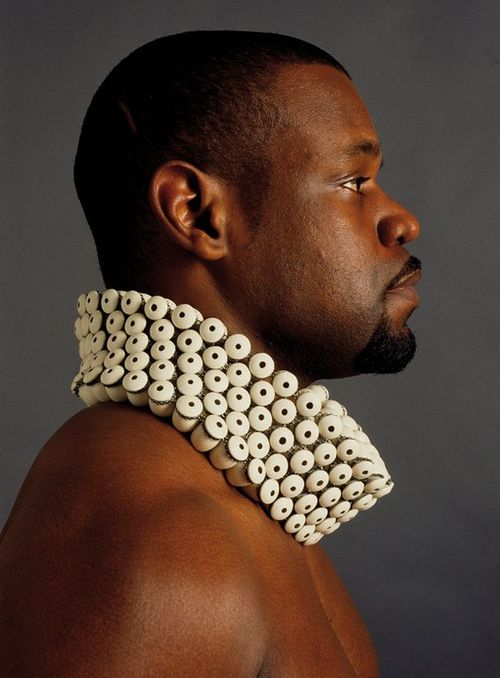
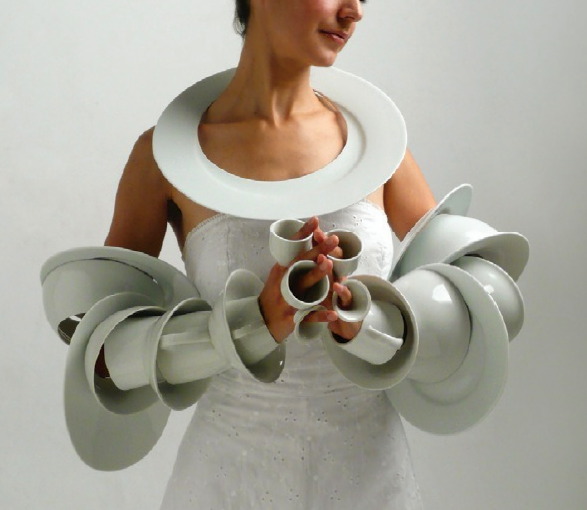
Peter Hoojeboorn. Collar

Ceramics always have great eye-appeal.  They are very alluring.   They can have stark colors, or unusual colorations and color blendings.   They can be almost unnervingly smooth, or have many different kinds of textures — all drawing the viewer to want to touch.   Ceramics can be modelled or cast, and are very versatile.

It is fascinating to see the many ways ceramics are used in jewelry.  In some cases, they are used to mimic traditional jewelry materials and forms.  In other cases, they are a material cast against type.

In the thousands of years between Egyptian faience and today, ceramics, for the most part, have not played a major role in jewelry.   People found the material too close to the earth, too humble to use to convey wealth and elegance.    But this is changing.

Gesine Hacklenberg
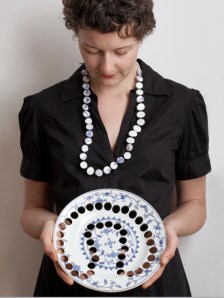
Gesine Hacklenberg
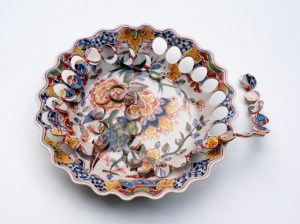
Gesine Hacklenberg

Marie Pendaries
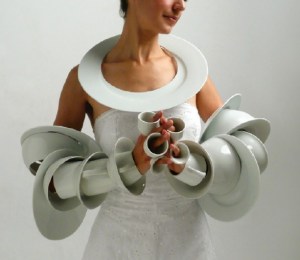
Marie Pendaries

Wearable Ceramics Gallery

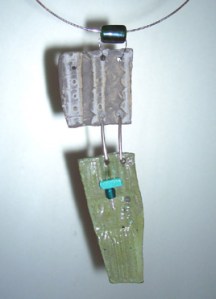
This online  Gallery showcases sculptural jewelry by Canadian artist Erika Ferrarin.   Some of her pieces:
Posted in jewelry design | Tagged: , , , , , , , , , , , , , , , , , , , , , , , , , , , , | Leave a Comment »

To Be, Or Not To Be?

Posted by learntobead on July 22, 2011

New article posted in our How To Bead  A Rogue Elephant column.

TO BE, OR NOT TO BE?

To be a Jewelry Artist, or not to be?

What should I do? Will I succeed? How will I succeed? I’m afraid to change careers. I’m afraid no one will like my stuff. I’m too shy to get stores to sell my stuff. I haven’t learned everything I need to learn. I don’t make necklaces as well as so-and-so. I don’t have enough money to start a business. I don’t know how to start a business. I need to take more classes. There are four more books I want to read and work through before I get started. I don’t have the supplies people want.

Ponderings, ponderings, ponderings. Thought paralzyes action. Your Rogue Elephant keeps charging at you, and you’re too scared to even get out of the way. You’re toe juice. You should have run away. But things happen too fast. Things are too much. Too difficult. Too unknown. Will that Rogue Elephant veer off to the right, or maybe, a bit to the left, or will that Elephant step right over you.

SQUISH!

Do you see yourself in these posed dilemmas? Or are you too hesistant for even this shallow reflection? Do you find yourself in such an existential crisis that you are too blind or too tired or too scared or too angry to sense your Rogue Elephant on your horizon? Or find your Elephant on your beaten path? Or comtemplate him? Or even bead him?

Maybe there’s too much Hamlet in you. The Hamlet Trap. Shakespeare’s Hamlet, for most of the play, cannot make up his mind. Should he / Shouldn’t he? Will he / Won’t he? Could he / Can’t he? ….

Continue reading….

Posted in jewelry design | Leave a Comment »

Any Lessons To Learn From Nail Polish Trends?

Posted by learntobead on July 1, 2011

Any Lessons To Learn
From Nail Polish Trends?
http://www.nytimes.com/roomfordebate/2011/06/30/why-did-wild-nail-polish-go-mainstream-10/nail-polish-is-the-new-lipstick

From Alllacqueredup.com

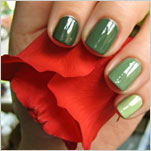
I read this article recently in the NYT, how women are using many more colors of nail polish than the traditional reds and pinks, and that the use of the full color palette of nail polish colors is getting very institutionalized and accepted.

The writer offers a point of view here for discussion.   Her main point, is that in an era of a weak economy, Chanel nail polish offers at a much lower cost the same cache as purchasing the more expensive Chanel perfume or clothing.   People still want status and the qualities associated with it.   They can not afford the top of the line items they used to.

Many of us are in the business of selling jewelry.     In this economy, how do we survive and thrive as a jewelry design business?   How do we preserve our brand — especially if most of what we sell is on the high-end side?

Is it enough to lower our price points?  Or must we also maintain very visible links and symbols to ideas of status, quality and sophistication?    And if we are to stand out from the pack, should we push things like out of the ordinary colors, textures and patterns?   How far do we push things like color, texture and pattern, to get noticed?   How far can we push these kinds of things, and still be accepted?


Posted in business of craft | Tagged: , , , , | 1 Comment »

Papal Jewelry

Posted by learntobead on June 30, 2011

Papal Jewelry

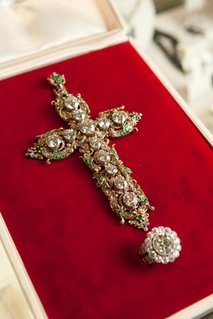
Papal jewelry has been in the news recently, because a jeweler in North Carolina, of all places, has offered up a cross and and a ring belonging to Pope   Paul VI      for sale.


Here are some images I found online of other Papal Jewelry:

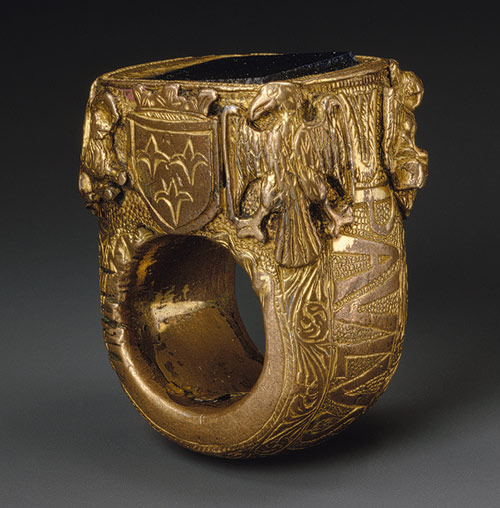
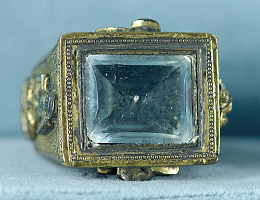
This is the papal ring of Pope Paul II, who served as pope from 1464-1471:

Pope Paulus II bronze, rock crystal ring:


Posted in jewelry collecting | Leave a Comment »

The Japonisme

Posted by learntobead on June 30, 2011

The Japonisme
Influence of Japan on Western Jewelers, 1867-1917

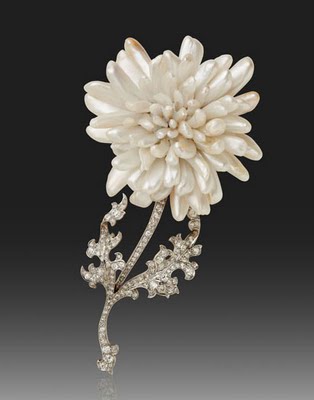
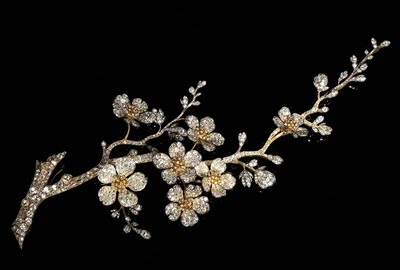
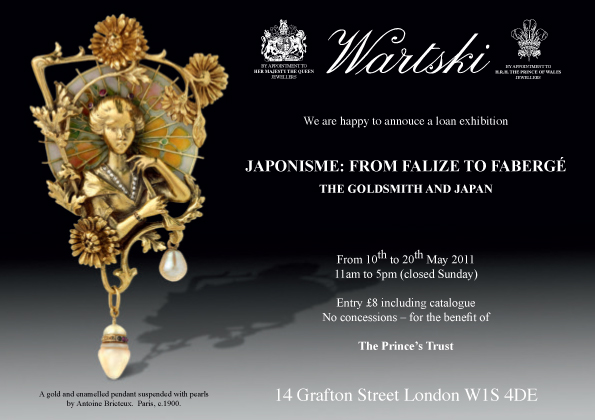
There is a current exhibit at the Wartski Gallery in London entitled “The Japonisme: From Falize to Faberge: The Goldsmith and Japan”.     This exhibit showcases the influence of Japan on western jewelers, such as Tiffany, Falize, Cartier, Boucheron, Faberge.

Here are some of the kinds of things you would see at this exhibit:

Tiffany: Pearl Flower Brooch


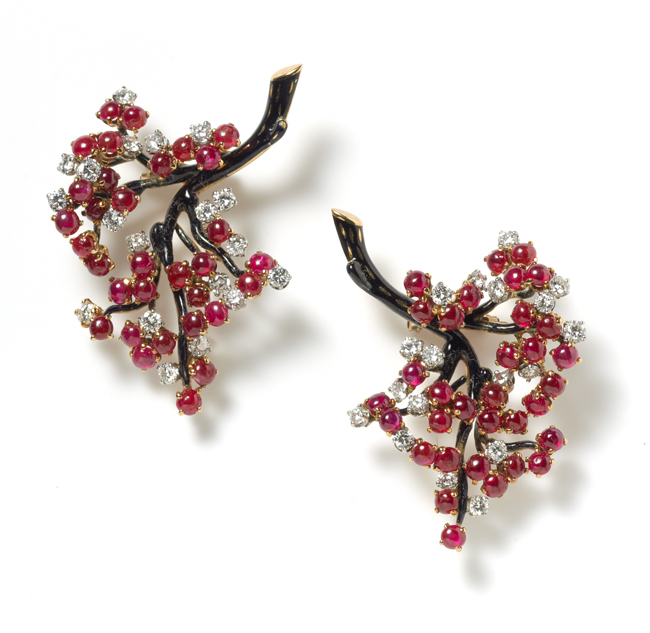
Vever: Cherry Blossom Brooch


Wartski Promo for Exhibit


Boucheron: Brooches


Western jewelry artists took much inspiration from the artistic works of Japan.    Specifically, they:

1) Incorporated cloisonne (enameling) techniques
2) Used fragments to capture the essence,
such as using a flower blossom and branch to capture the essence of a whole tree, and nature itself
3) created more of a sense of delicacy in their pieces
4) Built in a sense of poetry into their designs.


Posted in jewelry collecting, jewelry design | Tagged: , , , , , , , , | Leave a Comment »

HIS and HER Jewelry

Posted by learntobead on June 30, 2011

HIS and HER Jewelry


Today, I decided to travel again on the Google Highway, and explore what came up when I typed in “His and Her Jewelry”.

I’m not a “match-y” kind of of person.     If I were coupled, I don’t think I’d wear matching jewelry with my partner.

I’m not androgynous.   I don’t like to were very feminine jewelry myself, although I make a lot of jewelry for women that have “male” elements and sensibilities.

I’ve never designed jewelry for a couple or two partnered people.    But I’ve had a lot of customers in the shop who came in looking for jewelry they could both wear, and somehow coordinated or matched.

What are my design options?   What should I consider when designing his and her jewelry?

Here are some of the things I found:

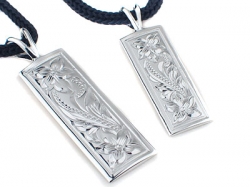
TRIBAL HOLLYWOOD
http://www.tribalhollywood.com/StoreFront.bok

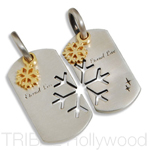
Two piece pendants.

Design elements:
Two separate pieces designed as if they originally were one piece, and then cut in half.   Each piece is to be worn by 1 partner.    Here we have an image cut in half.

Four separate pieces designed with different images, 2 more male or dominant, and 2 more female or recessive.   Each pair is to be worn by 1 partner.

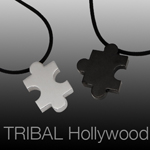
Two separate pieces designed as if they fit together like a puzzle.   Each piece is to be worn by 1 partner.

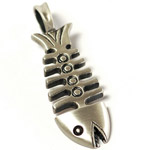
One pendant to be worn by each partner.   The fish supposedly symbolizes friendship.


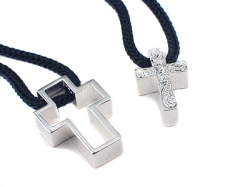
REMIST
http://www.remist.com/his-her-couple-necklace.php 

Two coordinated pendants.
Design Elements:
Paired designs, one smaller than the other.


Paired designs, one cut out from the other, and smaller.


These ideas are cute, and I’m sure very saleable.    But this male dominance/female subordination thing subtly, or not so subtly, going on, makes me a little uncomfortable.    I don’t want my partner to be less than I am.    But I also want her to be cute.    Dilemma.     Aesthetics vs. social conscience.   And again, I’m not into the matchy-matchy thing.


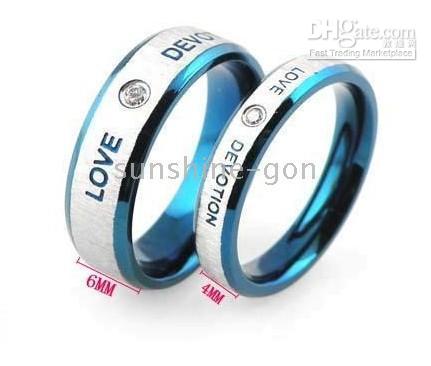
DH Gate.com
http://www.dhgate.com/


Design elements:
Matchy pieces with engraving on each one.


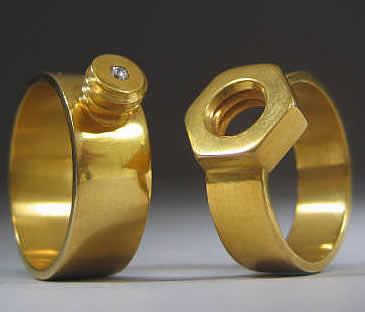
DiamondVues.com
http://www.diamondvues.com/2008/01/nuts_and_bolts_wedding_rings.html

For some reason, I like these rings.   Must be the sexual innuendo.


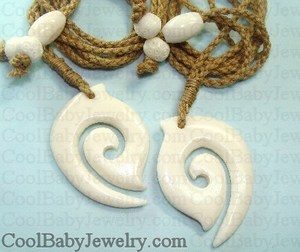
COOLBABYJEWELRY.COM
http://www.coolbabyjewelry.com/servlet/StoreFront


Design element:
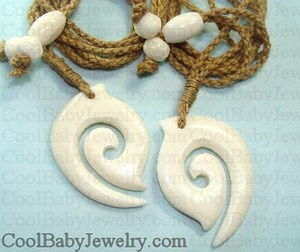
Here we have similar pendants, with the design (the spiral) going in opposite directions — clockwise and counterclockwise.


Posted in jewelry design | Tagged: , , | Leave a Comment »

The DESIGNERS GAZETTE, Spring, 2011

Posted by learntobead on May 12, 2011

The DESIGNERS GAZETTE
Spring, 2011
Now Posted Online
Click Here 


Poetry In Motion, Spring, Rejuvenation. 
The contrast of Spring green against winter brown. 
The unfolding of a bud, the gradual opening of a flower, 
the capturing of sunlight and moisture and nourishment. 
Securing the essense in quartz and crystal and glass. 
Creating pathways and fences and sign-posts with wire and metal and clay. 
Nothing beats Spring for inspiration and jewelry.

Articles, Events, Classes, Ideas…..

Posted in jewelry design | Tagged: , , , | Leave a Comment »

Jade Carving Event

Posted by learntobead on May 4, 2011

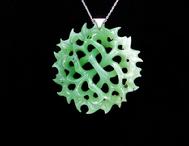
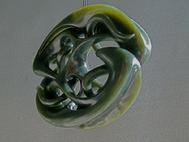
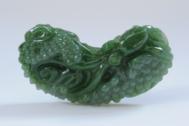
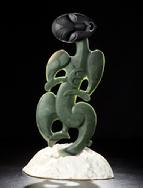
World Jade Symposium
http://www.jadesymposium.com/

40 artists will be given the assignment to carve a wonderful object from a similar block of jade.

On this website, you can register to vote for the winner.  Voting begins 10/15 and concludes 10/30 of this year.


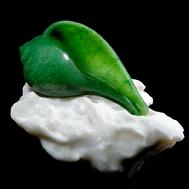
Also on this website, you can view profiles about each artist, and view some of their works.    I’ve included images of some of their pieces here.

Posted in jewelry making | Tagged: , | Leave a Comment »

Huib Petersen Workshops – 5/20-22/2011

Posted by learntobead on April 20, 2011

Be Dazzled Beads,
and The Center for Beadwork & Jewelry Arts
in Nashvile, Tennessee

welcomes

Huib Petersen
May 20th-22nd, 2011

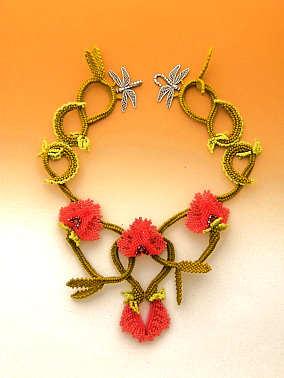
Art Nouveau Sweet Pea Necklace
Friday, 5/20

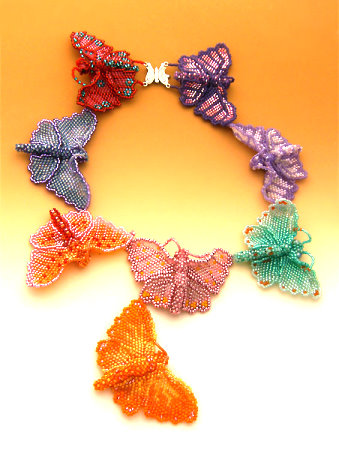
Playing with Butterflies and Bugs
Saturday/Sunday, 5/21-22

FOR MORE INFORMATION:
Click Here 

Huib Petersen is known for his creative translation of nature’s themes, wonders and little inhabitants through beadwork. His necklaces tell little stories about how nature’s elements come together and play.

What a wonderful opportunity to expore our craft with the artist in person — share special insights, get that master-level perception, understand her craft and artistic strategy!

Posted in beadwork, Workshops, Classes, Exhibits | Tagged: , , | 1 Comment »

Spring Has Sprung

Posted by learntobead on April 13, 2011

Spring Has Sprung
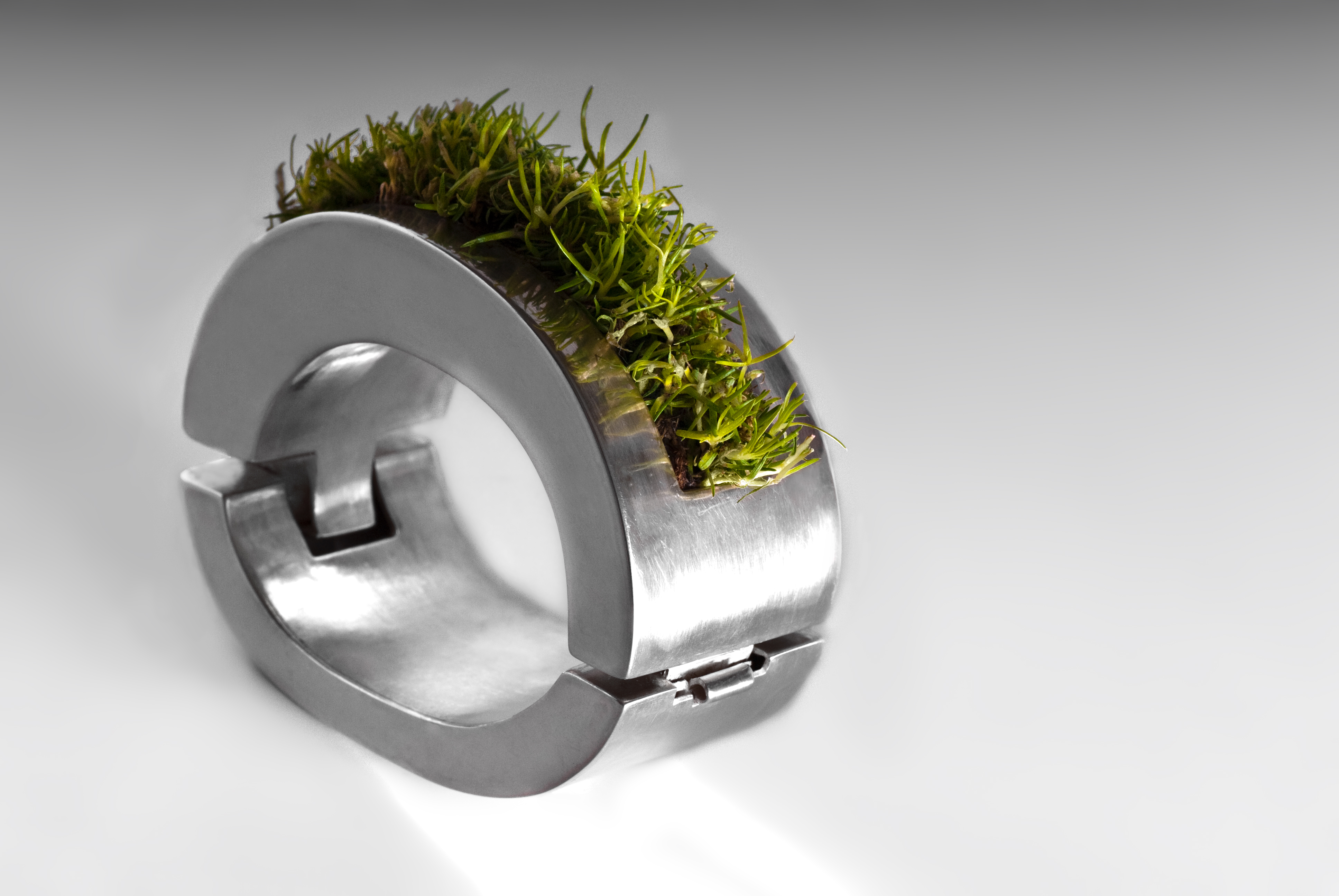
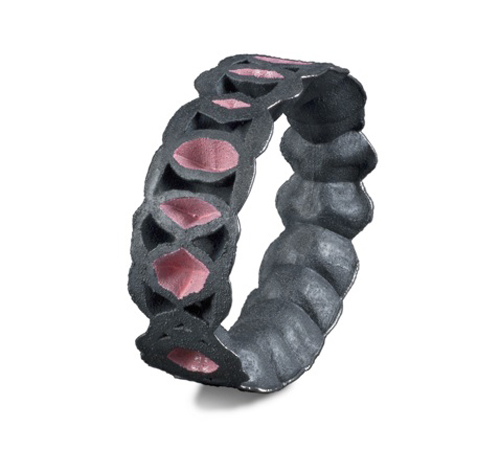
The Perfect Spring Ring By Janel Laza

Made from sterling silver and moss.

To see more of her work, visit her photo page
http://www.flickr.com/photos/janellaza/page3/

Posted in jewelry design | Tagged: , , | Leave a Comment »

Three Artists at SOFA NY April 2011

Posted by learntobead on April 13, 2011

Ornamentum
Three Jewelry Artists at SOFA NY
http://www.ornamentumgallery.com/gallery/index.php
http://www.sofaexpo.com/

SOFA stands for Sculpture Objects and Functional Art.     Their exhibits at various locales in the US and throughout the year, showcase outstanding contemporary “sculptural” objects, including jewelry.     I always like to check in on the artists they elect to showcase.   There is so much you can learn from each artist’s ideas and approaches.

Their current NY exhibition runs through 5/1/2011.

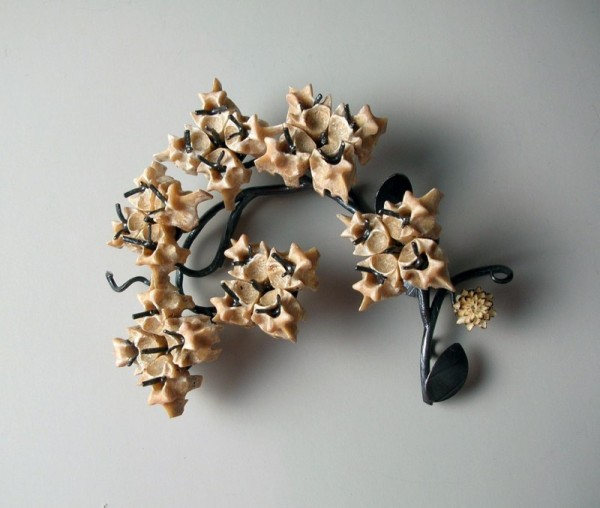
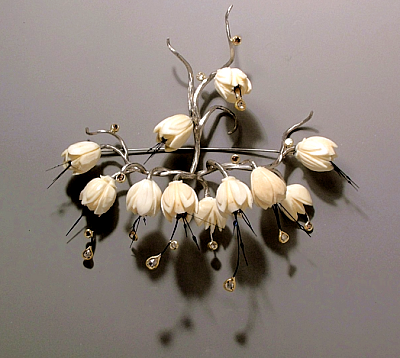
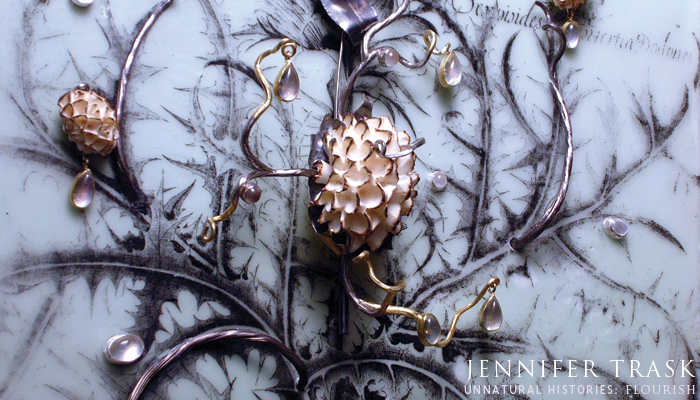
Jennifer Trask
http://www.jennifertrask.com/Site/Home.html

From her artist statement:

What do we carry with us in our bones? Literally, and metaphorically?

Used to express definitive physical sensation and emotional sentiment (e.g. ‘bone weary’), bone is considered the absolute reductive essence of our physical selves.  Bones linger,  incorporating evidence of what we ate, how we worked, injuries, illnesses, and environmental conditions during a given lifetime.  Lead, copper and iron, among other metals, bind to our bones as obscure mementos of our experiences.


What if those amalgams were to flourish and grow?

What would we see if we could view concepts and ideals, not just the verifiable physicality?


My process is a strange dance between the factual, or scientifically based research and the associative, or intuitive and non-verbal.  As I move between the two places, factual and intuitive, internal and external, the results are cross-species hybrids that embody a peculiar romanticized vision of the natural world that betray a very human concept of separateness, of dominion over nature.


Looking deeper still, we see a measure of the unanticipated, in traces of internalized abstract experiences and ideals.

Implicit and explicit.
Internal and external.


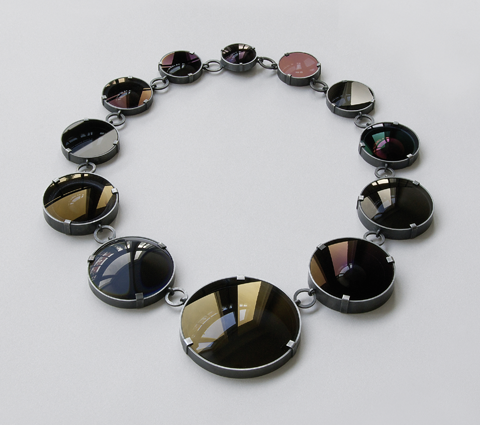
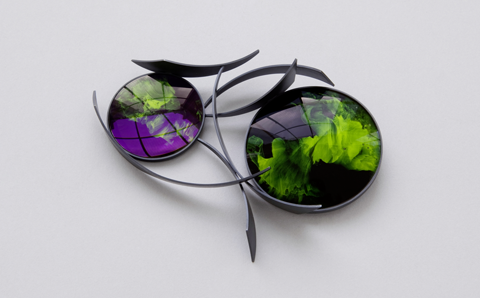
Jiro Kamata
http://www.artaurea.com/jewelries/101-jiro-kamata

Jiro Kamata’s enthusiasm for the lenses of old reflex cameras developed into a long-lasting design concept.  Kamata believes that the lenses capture and keep special moments like secrets and thinks that this could spark the jewelry wearers’ imagination.


Sergey Jivetin
http://crafthaus.ning.com/profile/SergeyJivetin

Jiventin takes an engineering eye, an intuitive understanding of mechanical physics, and the properties of unusual materials, like watch hands, human hair, fishing hooks, eggs, porcelain handles and syringe needles, to create very alive pieces of jewelry.

He sees his jewelry as helping the wearer make the connection between a person’s sense of self and humanity, and that person’s relationship to the work or industrial setting around her.


Posted in jewelry design | Tagged: , , , , , | 1 Comment »

Bracelets in 3-D Print

Posted by learntobead on April 13, 2011

Bracelets in 3-D Print
Beate Eismann
www.beate-eismann.de

I am so very fascinated by the design possibilities new 3-D copy machines allow.      These machines allow more intricate dimensionality and integration than you might be able to achieve the “old-fashioned” way.

Some people use these new machines to fashion machine parts.   Others for creating artificial human organs, like bladders and veins.    And now jewelry artists are using these machines to expand their horizons.

Beate Eismann is one such artist.

She uses her skills in computerized CNC production, such as lathing, milling or rapid prototyping, to make jeweelry that she then works up using convenstional goldsmithing techniques.

With these new computerized programs and 3-D print machines, artists can actually generate forms, shape and create.   The artist creates the computerized sketch.  The machine produces the components of the piece.   The artist combines these components using traditional techniques and does some final finishing.


Posted in jewelry making | Tagged: , , , , , | Leave a Comment »

Erotic Watches Auctioned Off

Posted by learntobead on April 13, 2011

Erotic Watches Auctioned Off
By Antiquorum, The Leading Watch Auctioneer
http://amazingcentral.com/swiss-collector-puts-up-a-rare-collection-of-erotic-pocket-watches-on-sale/
http://www.antiquorum.com/home/

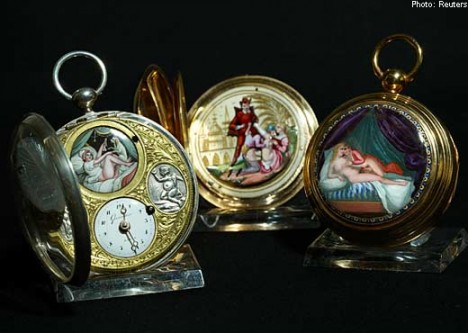
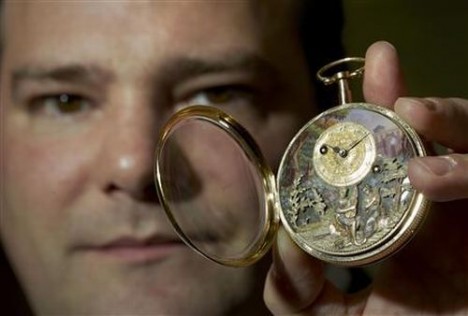
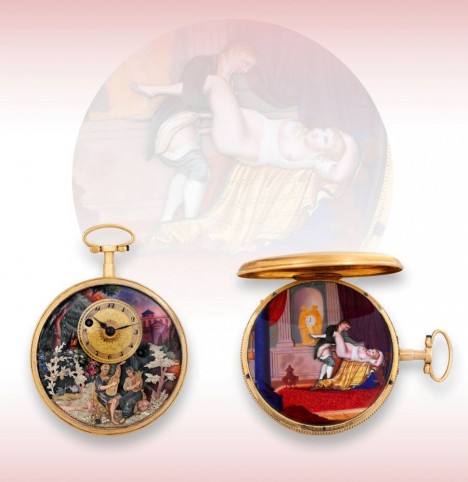
A unique collection of more than 30 erotic watches and system objects are among the timepieces Antiquorum offered on March 27 here as part of its “Important Modern and Vintage Timepieces” auction.  The highlight of this collection was a repeating musical watch with four actions and a concealed erotic automaton. Dubbed “Musique d’Amour” and made in 1810, the watch is believed to be the work of Genevan watchmaker Henry Capt, and which was expected to fetch around $90,000.

A Google search of images under the keywords “erotic watches” turned up 4,500,000 images.   So I guess, given this large number of images, erotic watches are very popular and here to stay.    And probably good investments.

Posted in jewelry collecting | Tagged: , , , | Leave a Comment »