Warren Feld Jewelry

Taking Jewelry Making Beyond Craft

The Silver Jewelry of Oman

Posted by learntobead on December 2, 2010

The Silver Jewelry of Oman


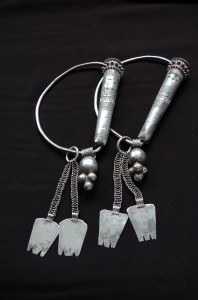
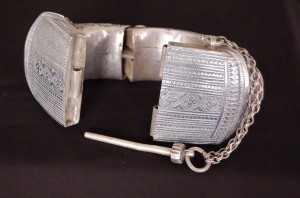
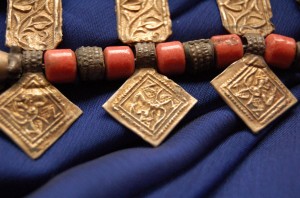
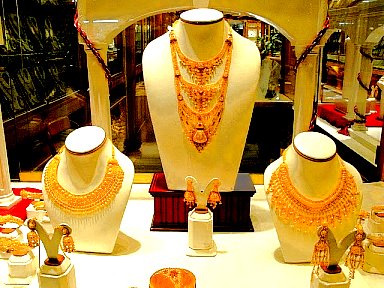
Oman has a very rich and distinctive jewelry tradition. Due to the nation’s long history of seafaring and trade, many influences of other cultures can be seen in Omani jewelry. Oman in particular traded with India and the Golden Triangle: trading partners whose influence is still visible in Omani jewelry today. Many Omani anklets and bracelets are reminiscent of Indian jewelry. A specific type of Omani necklace clearly derives from the jewelry of the Hmong tribes in the Golden Triangle.


The jewelry is characteristic of traditional, nomadic societies, but with special touches, techniques and motifs, with all the influences from the outside world.
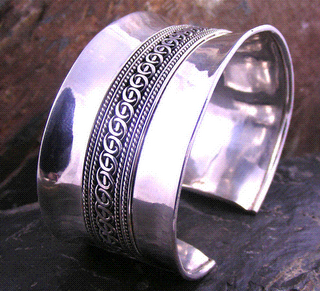
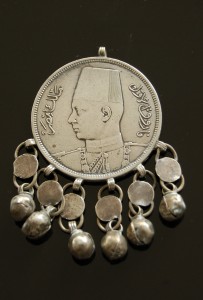
The use of coins or ‘umla’ is widespread throughout the Middle East, North Africa and beyond. Issued by an official mint long before the introduction of silver hallmarks, coins were an indication of an established and guaranteed silver content.   Two coins that both possess a high silver content and are of consistently good quality, proved to be of major importance in the nomadic societies of the Middle East, and indeed in the economical landscape of the entire world. They are the Spanish columnario or pillar dollar, and the Austrian Maria Theresia Thaler.

Originally, Bedouin and traditional jewelry did not carry hallmarks; the region’s jewelry tradition predates their use, as well as modern state boundaries. As each piece of jewelry was individually ordered from a silversmith, the amount of silver to be used was carefully discussed, weighed and paid for. To establish the correct amount of silver, the material was balanced against a known amount of silver, for example a set of coins such as the Maria Theresia Thaler.
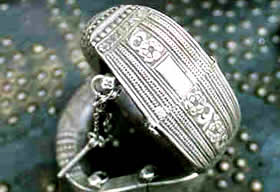
At around the beginning of the twentieth century, most countries adopted an official hallmarking system. For a very long time, existing pieces of jewelry were marked only when they were sold; their exact value only needed to be established at the moment of sale. To illustrate its value, an item of jewelry usually displayed its silver stamp on the outside, where it would be most visible.

One of jewelry’s most important functions is to reveal the status of the wearer. If a husband gives jewelry to his wife it shows respect. Jewelry can also indicate social status, or the religious group to which the wearer belongs.


Posted in jewelry collecting, jewelry design | Tagged: , , , | 7 Comments »

nOir Jewelry – Capturing a Fantastic Style

Posted by learntobead on December 2, 2010

nOir Jewelry – Capturing a Fantastic Style
www.noirjewelry.com
blog.noirjewelry.com

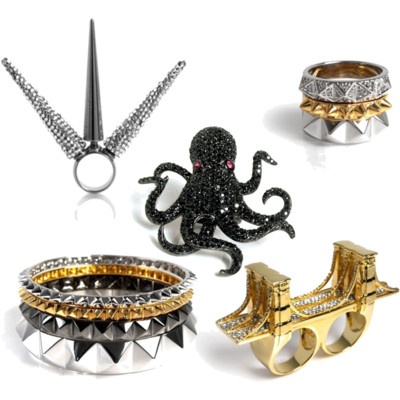
nOir Jewelry is a phenomenal hit among the celebrity set, and a visit to their website shows you why.     Fantastic, imaginary pieces.
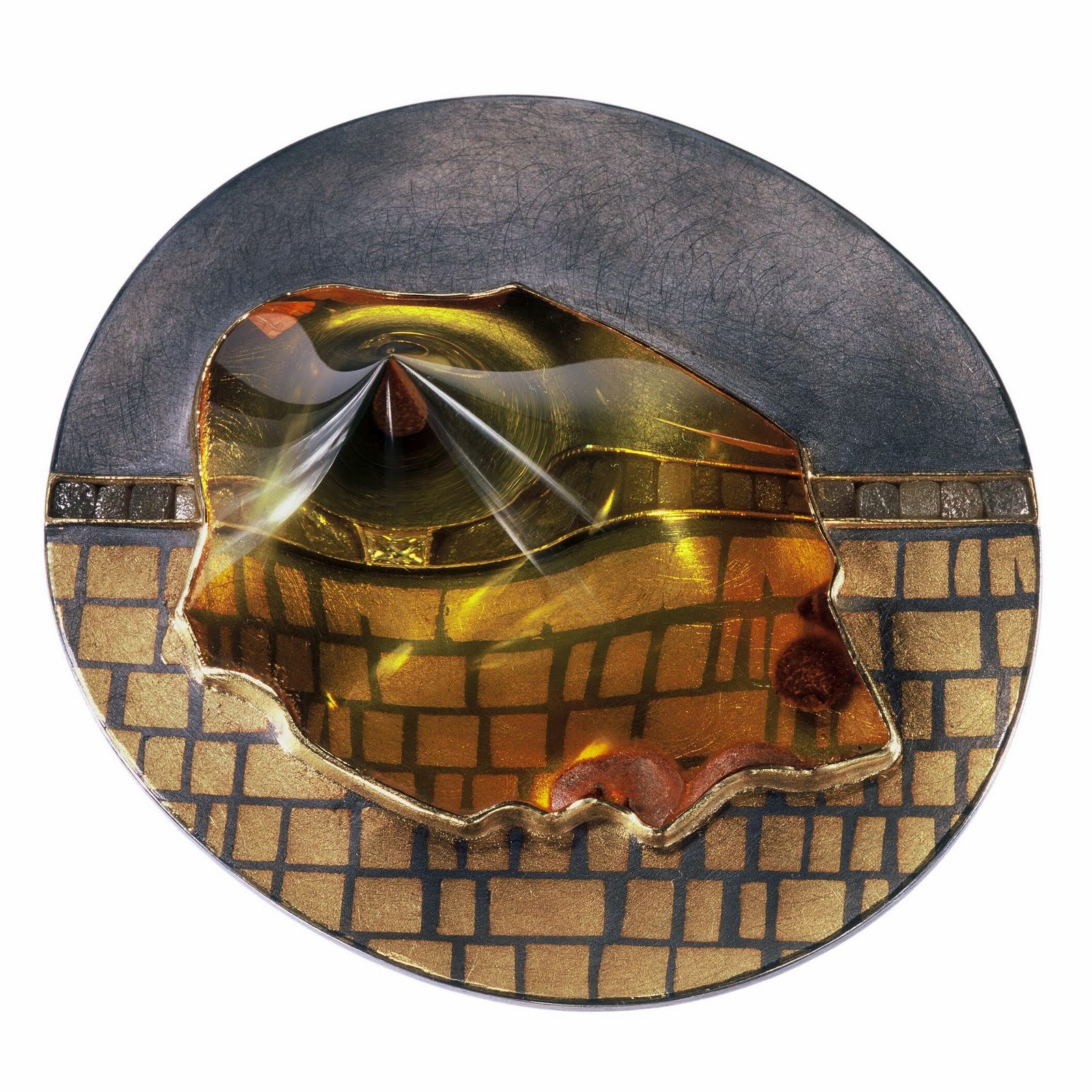
Leeora Catalan is the owner and designer of this 14 year old company.    She produces jewelry that is glamourous, fun and edgy at the same time.    She has produced special pieces for various clothing designers, musicians and actors.
From a marketing standpoint, how do you capture the excitement and thrill her pieces generate?

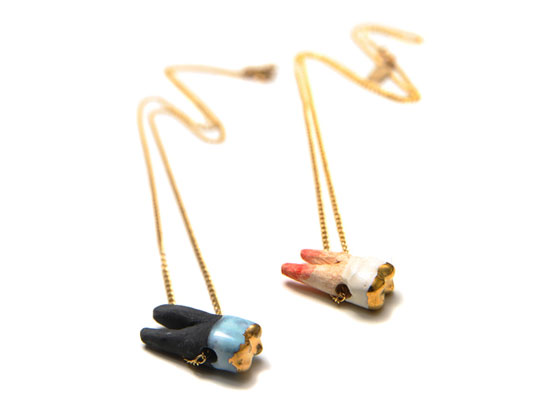
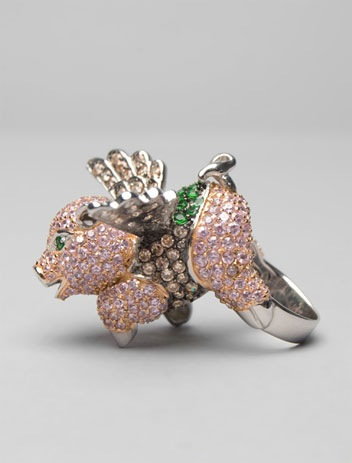
Let’s look at some of her pieces, and then look at one of her marketing ads, and compare.


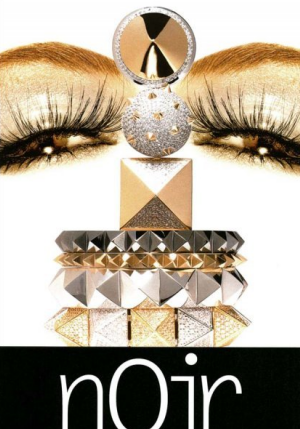
And now the promotional ad:


Now, I’ve only presented a sample of her pieces, so it may not be fair to compare what I’ve shown to the ad-copy.     However, to me, the ad seems to showcase nOir as art deco jewelry.    But it seems to be so much more than that.    Her jewelry has power and artistry beyond deco.

What do you think?   How would you begin to get ahold of noir jewelry, from a marketing and ad-copy perspective?

With or without the marketing, it’s clear that Talent has found Talent.


Posted in business of craft, jewelry design | Tagged: , , , , , | Leave a Comment »

Natural Materials and Embedded Gemstones

Posted by learntobead on December 1, 2010

Natural Materials and Embedded Gemstones

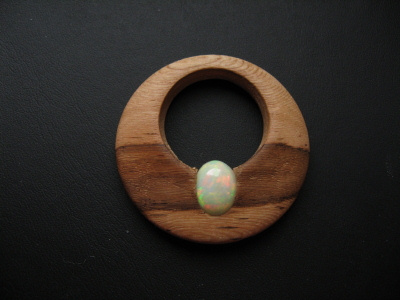
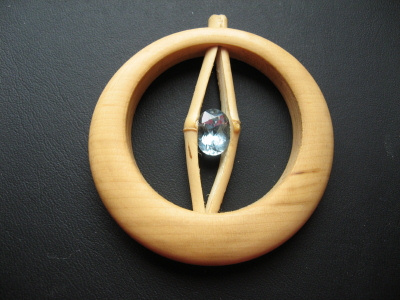
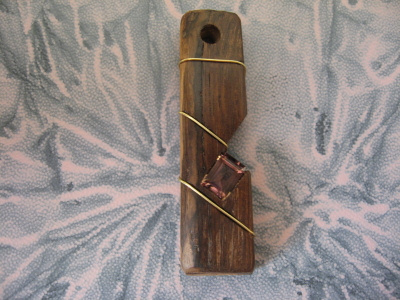
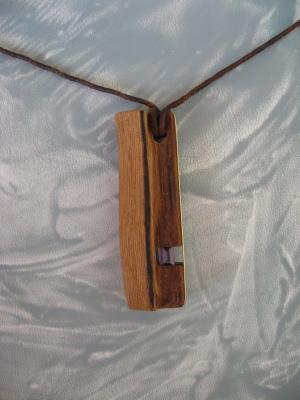
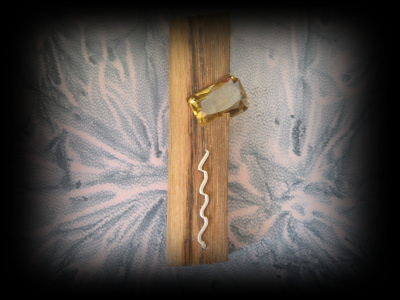
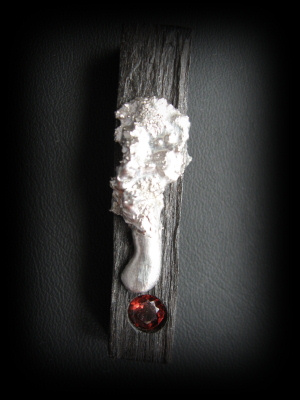
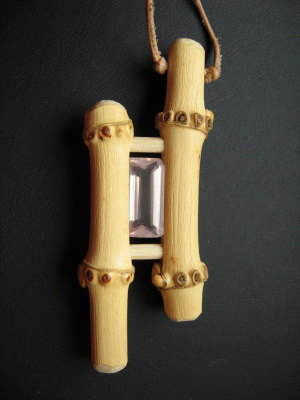
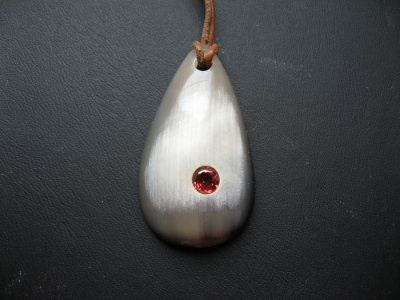
More of Lionel Aubert’s Work


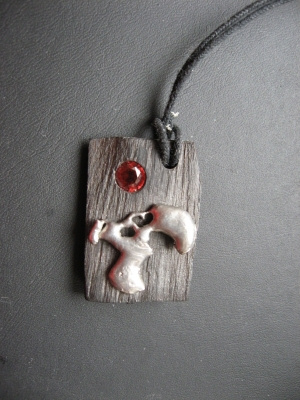
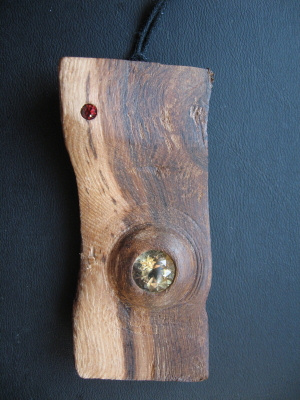
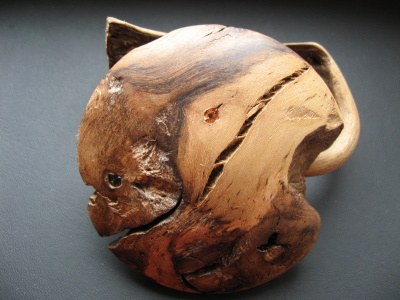
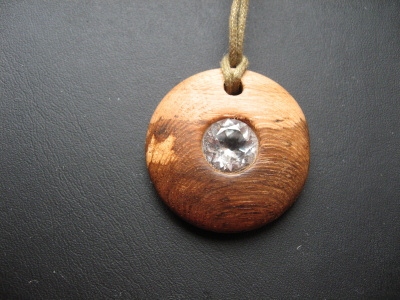
After posting some of Lionel Aubert’s jewelry, he wrote me, and sent me more images of his pieces, which I share here.

Lionel wrote:

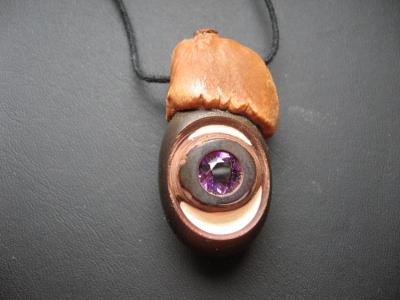
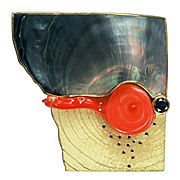
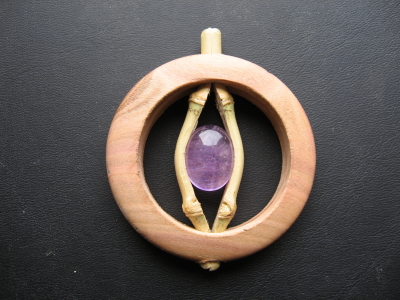
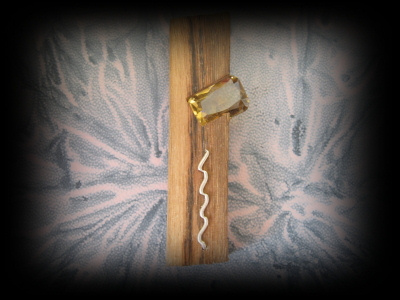
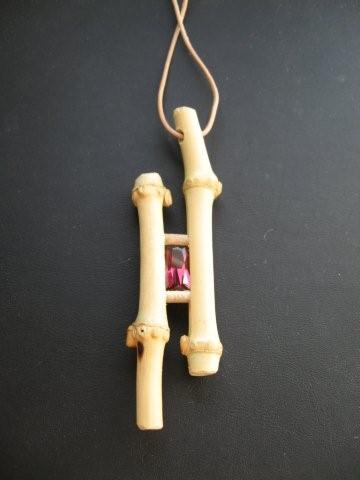
Passionate about gem stones, I realized that nobody had encrusted gemstones from natural materials without glue. So I developed my work and creativity on this combination of materials. I created this embedding method in order to propose new jewelry and objects that are innovative, not by the material but by their marriage. The idea of embedding gemstones with no glue is unique. It is made from natural materials like wood, bamboo, horn, seeds, bones, etc..


Posted in jewelry design | Tagged: , , , | Leave a Comment »

Edges, Fringes, Straps, Surface Embellishment

Posted by learntobead on November 19, 2010

Edges, Fringes, Straps, Surface Embellishments
Should these be Critical to the piece,
or, merely Supplemental?

In our Bead Study group, (full discussion notes posted here) we began a unit on learning what I call “turns of the needle” techniques.   These are small, bead-woven  shapes and forms that you make with seed beads and needle and thread.   You can adapt these shapes and forms to use as edging, surface embellishment, straps and fringes.

Classical art theory would say that these kinds of elements in jewelry should be supplemental to the core piece, such as a pendant.    The pendant is “art”, and any fringe, strap, edging or extraneous surface embellishment would merely supplement this.

In painting, these kinds of components would equate with the “frame.”   In sculpture, these kinds of components would equate with the “pedestal base.”  Neither the frame nor the pedestal should be required to appreciate the painting or sculpture as art.    Nor should these detract.  Or compete.   Or take center stage.  Or overwhelm.

If our goal is to elevate beadwork and jewelry to the realm of art, rather than craft, we need somehow to accommodate, confront or revise this concept which is central in art theory, if we don’t agree that edges, fringes, straps, and extra surface embellishment are as important to the jewelry as it’s core.

Should these be supplemental, or complimental, or incidental, or critical to jewelry?

Is adornment and embellishment “art”?

What makes a piece of jewelry an “art” piece?

Is there a design element to creating fringes, edges, straps and surface embellishment?     That is, are there a set of principles that we can follow and share, so that we don’t over-do, or don’t compete with the central part of any piece of jewelry?    Are there a set of rules of construction that we can learn and adapt?

What is the value of decoration?     What principles regulate this?

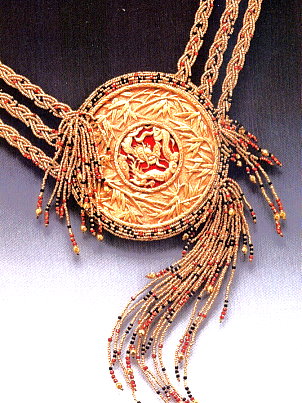
Ornament Magazine , one of my favorites, uses the image below in their promotional materials.    I love this piece as is, but, based on our bead group discussions, the piece begs the question whether the fringing and straps are helpful or hurtful to the core piece.   Appropriate or inappropriate?   Dragging jewelry back to a craft-base, or elevating jewelry into an art-form?

What do you think?

The discussion continues here.

Posted in jewelry design | Tagged: , , , , , , , | Leave a Comment »

Beads Display No Powers Here

Posted by learntobead on November 17, 2010

Beads Display No Powers Here

I visited Vietnam this fall for about 3 weeks.    Somewhat to my surprise, I didn’t get the eyes-wide-open response to the Czech cut glass beads I had brought with me.

Outside Da Nang, we visited a farming village.    We went to a school.   I had brought some loose Czech cut glass beads to give away.    I handed some of the children some beads, and they were clueless.    They at first thought they were food.   I put one in each child’s hand, and held their hands up to the light.    But nothing.    No sense of excitement about the colors.    No sense of the bead.

I met a grandmother with 2 grandchildren, and tried to give the grandmother a bead.    Same thing – blank stare.   Put the bead in her hand, and held her hand up to the light.   Nothing.   She tried to give it to her grandchild, but I told her it was for her.    Such a different reaction to beads that I’ve found most other places.

I knew ahead of time that Vietnamese do not have a jewelry culture.   They don’t wear jewelry, and haven’t in their past.   They have few beads historically, and what beads have been found, were found in the Champa culture, which had originally settled the central part of the country.

But it is interesting that the Vietnamese sell strands of pearls and gemstones, as well as some beaded necklaces, to tourists.     At two stores in Saigon, one in a market, and one more established boutique, both of which sold jewelry made with beads, I tried to have a conversation about beads.    I drew pictures.  I explained how stringing beads creates a necklace or bracelet.    Blank looks.   I showed them the beaded strands of pearls and gemstones they sell, and they see these as “necklaces”, not “strands of beads”.    I showed one of them a bead-embellished scarf.     This made the concept of “beads” a little clearer for her, but she still saw the piece holistically as decoratively embellished, rather than something made up of individual beads.

Posted in beads | Tagged: , , | 1 Comment »

THE DESIGNERS’ GAZETTE, Fall 2010

Posted by learntobead on November 10, 2010

Read the current issue of:

THE DESIGNERS GAZETTE
Fall, 2010

http://www.warrenfeldjewelry.com/pdf/fg111510/fall2010pdf.pdf

Posted in jewelry design | Tagged: , , | Leave a Comment »

Combining The Wearable With The Theatrical

Posted by learntobead on September 22, 2010

Michael Zobel
Combining the wearable with the theatrical

http://www.atelierzobel.com/

Can you the artist ever be appropriately flamboyant, sensitively flaming, “out-there” yet still “in-here”?

Michael Zobel is an artist known for his dramatic works.    How successful do you think he has been, walking that line between wearable and costume?

What does it mean to walk that line?

Something showy?

Something evocative?

Something which shows the materials (metals and stones) off in unusual ways?

Something that has your friends running towards you, rather than away from you?

I find it interesting that the many pieces he has on display seem much more dramatic than the pieces he has on his website for sale.      What does this observation mean, when thinking how dramatic to get with your own pieces?

Posted in jewelry design | Tagged: , , , | Leave a Comment »

Artisan Eco Jewelry

Posted by learntobead on September 22, 2010

Lionel Aubert
Artisan Eco Jewelry

It is truly amazing what kinds of jewelry can be made from wood and other similar natural materials, encrusted with gemstones held in place by the force and shape of the wood.    No glue or prongs here.

Posted in jewelry design | Tagged: , , | 2 Comments »

Another Collectible Vintage Jewelry Artist

Posted by learntobead on September 22, 2010

Theodor Fahrner
Another Collectible Vintage Jewelry Artist

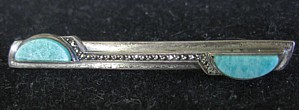
Fahrner created sterling with gemstone, crystal, or rhinestones, pieces of jewelry in the 1910’s and 1920’s in Germany.    His style varied a bit from avante garde-art nouveau-art deco to more traditional styles.

Fahrner is an example of a big enterprise jeweler.    He patented several processes for mechanically or partially-mechanically reproducing jewelry.    While he designed jewelry himself, he also worked with jewelry artists all over Germany, and reproduced their designs under the Fahrner label.

His jewelry is associated with high quality workmanship.   He tended to avoid flowery and lacey forms within his pieces, because these would be difficult to mass produce.

Fahrner died in 1919, but his “label” continued until 1945.

Posted in jewelry collecting | Tagged: , , , , | Leave a Comment »

Jelly Bellies

Posted by learntobead on September 22, 2010

Jelly Bellies – Vintage Jewelry

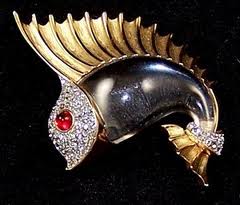
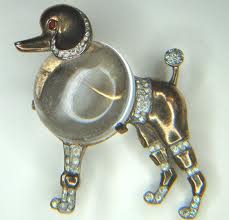
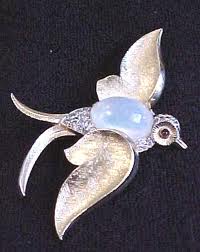
Lots of people collect vintage jewelry today.    One of the most collectible vintage piece is known as a Jelly Belly.

Jelly Bellies are an animal made out of sterling or vermeil, with a carved piece of lucite for its belly.    It is rumoured that the lucite came from old airplane windshields.

A lucite belly is more valuable than a glass belly.   A clear lucite is better than a colored belly.

You can usually find these at next to nothing.   They resell for hundreds of dollars.

The first jelly bellies made have been made as early as 1938.  Most were made between 1943 and 1945, and set in sterling or vermeil.  Sterling was rationed and very expensive during these war years, so adding a piece of Lucite to the design made it possible to produce large, eye-catching designs. After the war and into the 1950’s they were made in base metals, but all of them are delightful!

Many costume jewelry manufacturers used the Jelly Bellies which means some are marked and some are not, but most famous are the Trifari and Corocraft sterling designs, which incorporated fantastic design with breathtaking quality of materials and craftsmanship.

Posted in jewelry collecting | Tagged: , , , , , | 1 Comment »

Your Personal Style

Posted by learntobead on September 21, 2010

Your Personal Style

It’s always important to develop a personal style within your jewelry creations.   Something that helps people recognize that the jewelry was made by you, and not someone else.   A signature, or signifying element.

This can be a certain choice of colors.   It can be the addition of a special bead to each piece, or special dangle, or special tag.    It can be the use of a custom made clasp.    Or a certain style of construction.  Or the use of certain images, forms or motifs.

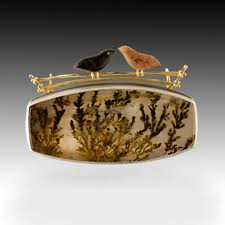
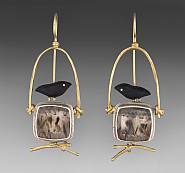
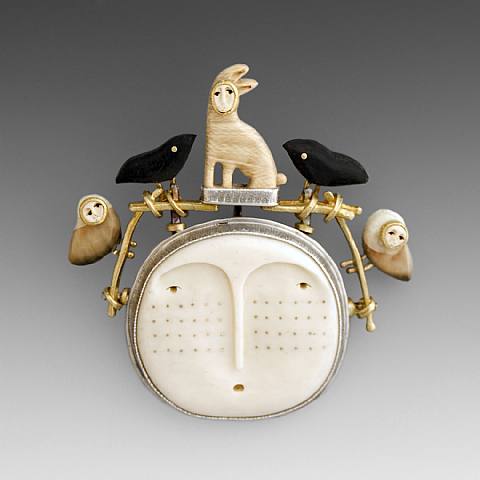
Carolyn Morris Bach is a jewelry artist from southern New England.     She has a very strong signature motif she uses:   tiny creatures with solemn or half-smiling, ovoid or moon-shaped faces carved from ivory or gemstones and the like.   Her pieces are mythical and allegorical, yet very contemporary.

She makes it very easy to associate her pieces with her.     This, in marketing terms, is a kind of branding.    When people see these motifs and styles, they automatically begin to associate the jewelry with Carolyn Morris Bach — even if someone else had created the piece.

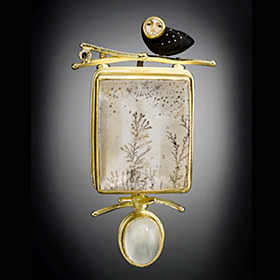
Here are some of her pieces:

The piece above would be beautiful without the owl.    Or the “owl” element did not have to be a bird motif per se, but could have been anything.     By making that element an owl, and styling the owl as she did, her jewelry comes with her signature.   That’s important for all jewelry designers to do.

You can visit her website:
http://www.carolynmorrisbach.com/

Posted in jewelry design | Tagged: , , , , , | Leave a Comment »

LOOT! 2010

Posted by learntobead on September 21, 2010

JEWELRY FUNDRAISER
For The
Museum of Art and Design

In New York City 

LOOT!2010
Oct 20-26, 2010
http://madmuseum.org/DO/Calendar/201010/loot_2010.aspx

Cutting edge jewelry designs, ranging in price between $300. and $30,000, with an average of $2700.

LOOT is MAD’s biennial juried exhibition and sale of one-of-a-kind contemporary art jewelry, created by acclaimed American and international artists. This year’s event – the first LOOT in the new 2 Columbus Circle Galleries — will be held October 20th- 26th. It will open with a Gala evening preview on Wednesday, October 20th to benefit the Museum’s exhibition and education programs.

A full weekend of programs will accompany the exhibition and sale in the second floor design galleries including curatorial lectures, panel discussions with experts and designers, artists’ talks and workshop demonstrations in the MAD artists’ studios. Special family focused hands-on workshops will be held on the weekend.

For further information please contact Rebekka Grossman at 212.299.7712 or rebekka.grossman@madmuseum.org.

The exhibition and sale continue from Thursday, October 21 to Tuesday, October 26 during regular museum hours.  LOOT will also be open on Monday, October 25 from 11am – 6pm.

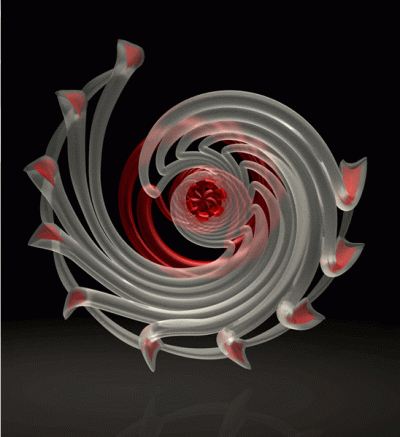
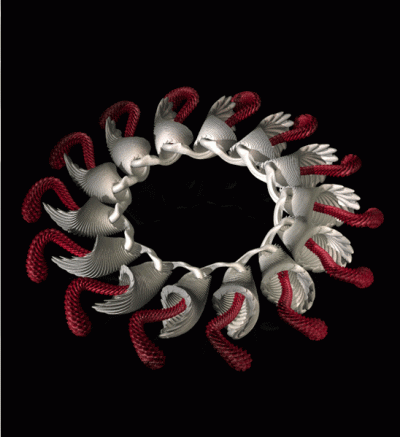
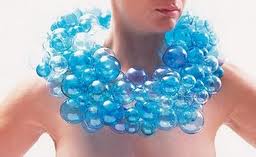
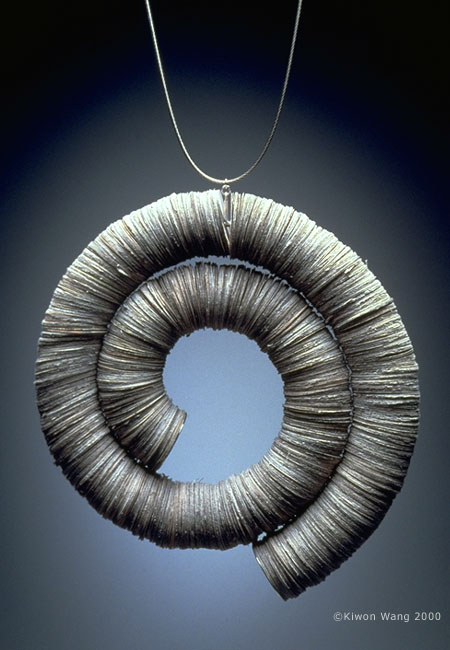
Whether you can attend this fund raiser, here are some of the types of pieces you might see.

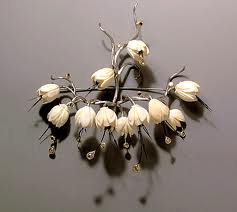
Emerging Dutch artists


Beppe Kessler
http://www.beppekessler.nl/


Iris Nieuwenburg
http://www.droog.com/aboutus/designers/iris-nieuwenburg/


Truike Verdegaal
http://www.truikeverdegaal.com/


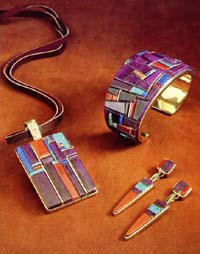
Native American Artists

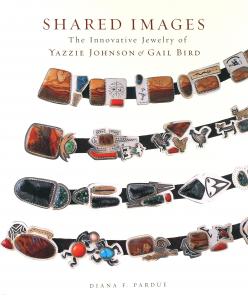
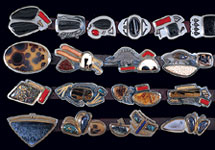
Gail Bird and Yazzie Johnson

http://en.wikipedia.org/wiki/Gail_Bird_and_Yazzie_Johnson


Richard Chavez

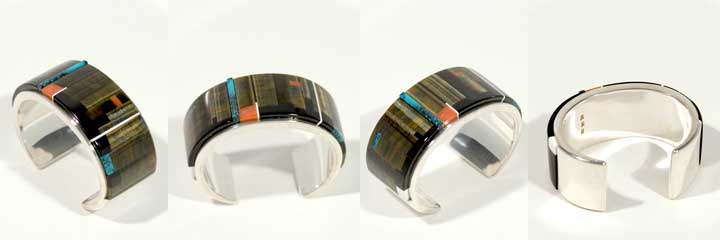
http://collectionsouthwest.com/html/rchavezpage01.html


Verma Nequatewa

http://www.americanmastersofstone.com/Biographies/Verma%20Nequatewa.htm

Charles Loloma
http://www.americanmastersofstone.com/Biographies/Charles%20Loloma.htm

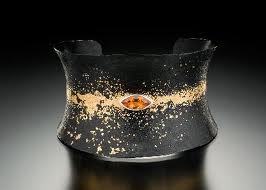
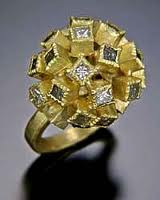
Other Emerging Contemporary Jewelry Artists

Pat Flynn
http://www.patflynninc.com/

Jennifer Trask
http://www.jennifertrask.com/Site/Home.html

Anastasia Azure
http://www.anastasiaazure.com/

Jocelyn Kolb

http://dailyartmuse.com/2009/09/04/jocelyn-kolb-computer-aided-design-jewelry/

Giorgio Vigna

http://www.giorgiovigna.com/

Kiwon Wang

http://www.kiwanwang.com/


Posted in jewelry design, Stitch 'n Bitch | Tagged: , , , | Leave a Comment »

How Sparkle Enters People’s Lives

Posted by learntobead on August 31, 2010

How Sparkle Enters People’s Lives

New post under How To Bead  A Rogue Elephant.

“… And as in other situations in life, the jewelry designer must be very sensitive to how sparkle enters people’s lives.   


Jewelry may help people feel attached to their surroundings,     Be more aware of themselves.   Their status.  Their situation.  Their power.  Their sexuality.   Jewelry may serve to open up a whole new world for someone.   Jewelry may signify how people may safely interact, and not interact.    It may start conversations.   As well as end them.   


The jewelry artist designs jewelry.   She or he selects materials to use.   An order or arrangement is decided upon.  A hypothesis is formulated about how best to assemble the pieces.   And the hypothesis is put to the test.    And hopefully the finished piece is more than the sum of its parts.    Because it has to add sparkle to people’s lives.” …


Posted in jewelry design | Tagged: , , , , | Leave a Comment »

Murf The Surf and the Star of India Theft

Posted by learntobead on August 14, 2010

The Gem Heist of the Century

http://www.youtube.com/watch?v=hxSbDnTeONw

For those of you who were unable to attend “The Fifth Annual Conference on Jewelry & Related Arts” held in New York in May, ASJRA presents the second in their series of jewelry history videos. The amazing heist by Murf the Surf of the gem hall at The American Museum of Natural History is a fascinating story.

Posted in Stitch 'n Bitch | Tagged: | Leave a Comment »

New Latin American Jewelry

Posted by learntobead on August 10, 2010

“THINK AGAIN: NEW LATIN AMERICAN JEWELRY”
Exhibit at Museum of Arts and Design, New York City
Oct 12-Jan 11, 2011

This exhibit will feature the latest trends and movements through works by 50 jewelry artists, representing some 23 Latin American countries.

There is a history of relationships between jewelry worn and the culture within which it is worn.    This is as true in Latin America, as elsewhere.     So it is important to question the artist and his or her pieces, as to what the wearing of their jewelry would signify about their understanding of contemporary Latin America.

You would look at their choices of materials.  Their use of pattern, form, image and theme.    Their choices of colors.    Their techniques.

Some artists use traditional techniques and/or materials with modern references.   Others use modern techniques to express the interconnectedness of traditional and contemporary life.     Some are abstract; some literal.

There is always tremendous pressure on artists and fine craftspersons from traditional and developing societies to work within and preserve traditional images, motifs and techniques.   It is difficult to break out of and from those expectations.    Yet the artist wants to be able to express their artistic selves, their psychological, sociological and cultural beings, as members of contemporary societies that don’t bear as direct a connection with the past as outsiders would have it.

The relationships between contemporary Latin American society and traditions is much more complex today.   Will outsiders, like we in North America, ease up on these expectations, allow a contemporary jewelry artist scene to succeed?   The situation is no different than how we impose expectations upon our own contemporary Native American artists.      We make it so difficult for them to break from the past, and make some kind of living from their art, as they experience their world today.

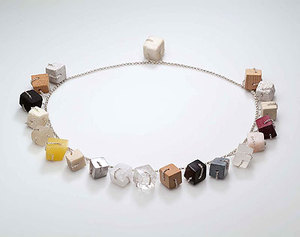
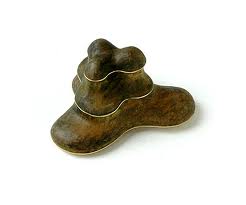
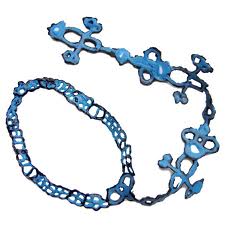
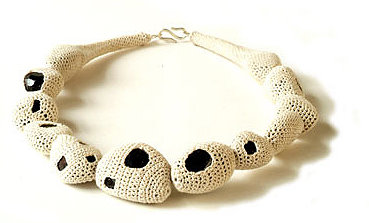
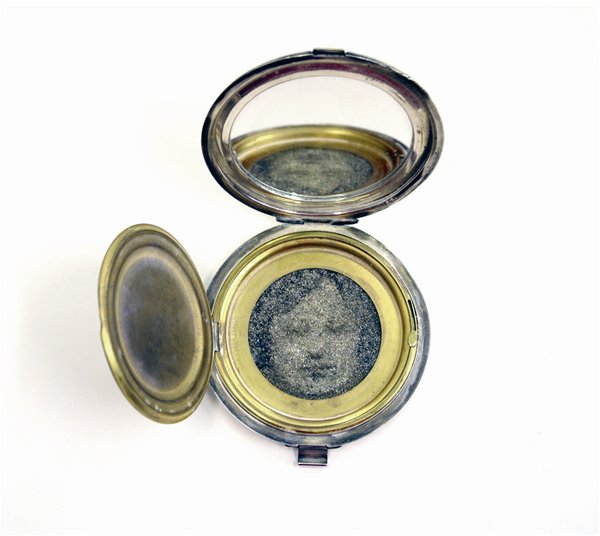
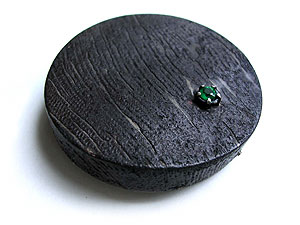
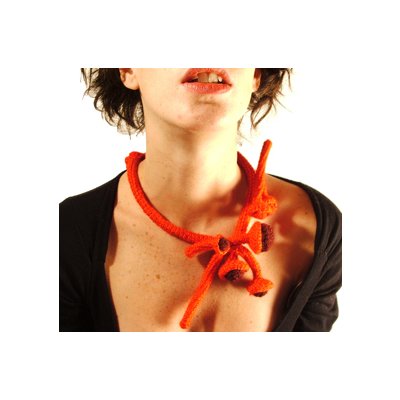
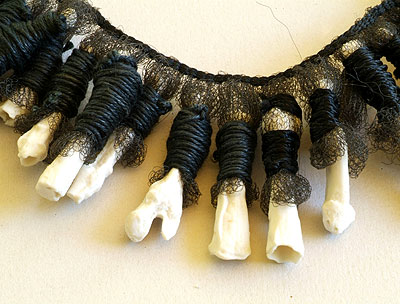
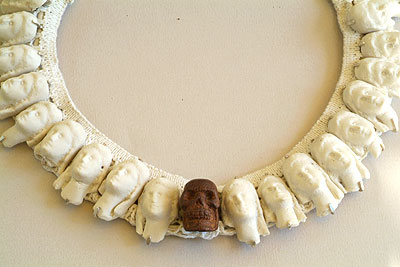
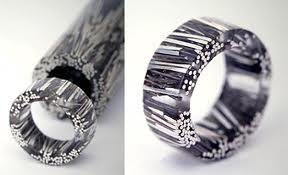
Here are some of the Latin American artists, and images of things that might be on exhibit.

Mirla Fernandes (Brazil)
http://www.mirlafernandes.com/

Dionea Rocha Watt (Brazil)
http://dionearochawatt.blogspot.com/

Claudia Cucchi (Brazil)
http://www.klimt02.net/jewellers/index.php?item_id=5286

Valentina Rosenthal (Chile)

Elisa Gulminelli (Argentina)
http://elisagulminelli.blogspot.com/

Francisca Kweitel (Argentina)
http://www.klimt02.net/jewellers/index.php?item_id=859

Silvina Romero (Argentina)
http://silvinaromero.blogspot.com/

Jorge Manilla (Mexico)
http://www.jorgemanilla.com/

Mariana Shuk (Columbia)
http://marianashuk.com/blog/

——-

If we are to judge these pieces with the added burden of the label “LATIN AMERICAN JEWELRY”, then I’m not sure how successful most of these pieces are.     If we are to judge them as simply “Contemporary Jewelry”, then most of these are very successful.


Posted in jewelry design | Tagged: , , , , , , , , , , , , , , , , | 2 Comments »